The Best Way to Set Up a Wireless Network at Home
In today's digital age, having a reliable and secure wireless network at home is no longer a luxury, but a necessity. With the number of devices connected to the internet increasing rapidly, setting up a wireless network can seem like a daunting task. However, with the right guidance, you can easily set up a fast and secure wireless network that meets your needs. In this article, we will walk you through the step-by-step process of setting up a wireless network at home, including the necessary equipment, configuration, and security measures.Step 1: Choose the Right Equipment
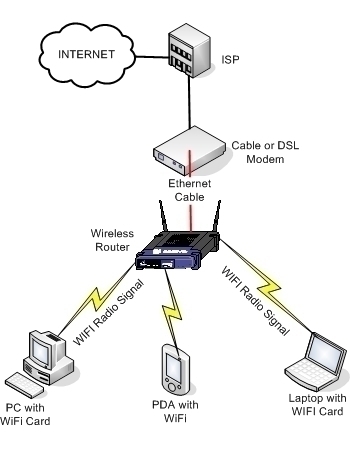
To start setting up a wireless network at home, you will need the following equipment:- Modem: This is the device that brings internet connection to your home. Most internet service providers (ISPs) rent or sell modems that connect to their networks.
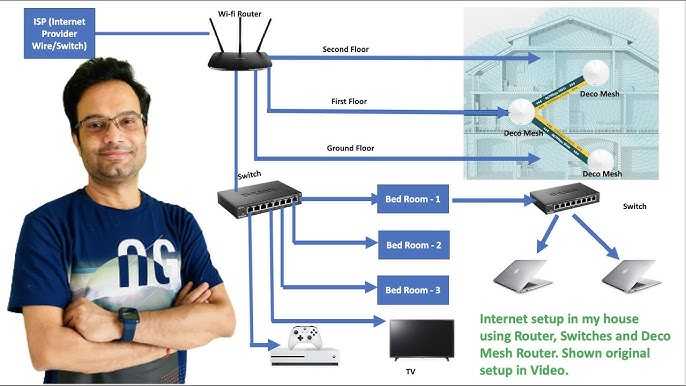
- Router: A router is a device that takes the internet connection from the modem and distributes it to all the devices in your home.
- Wireless Access Point (AP): An AP is a device that repeats the wireless signal from the router, extending coverage to hard-to-reach areas of your home.
Step 2: Place the Equipment Strategically
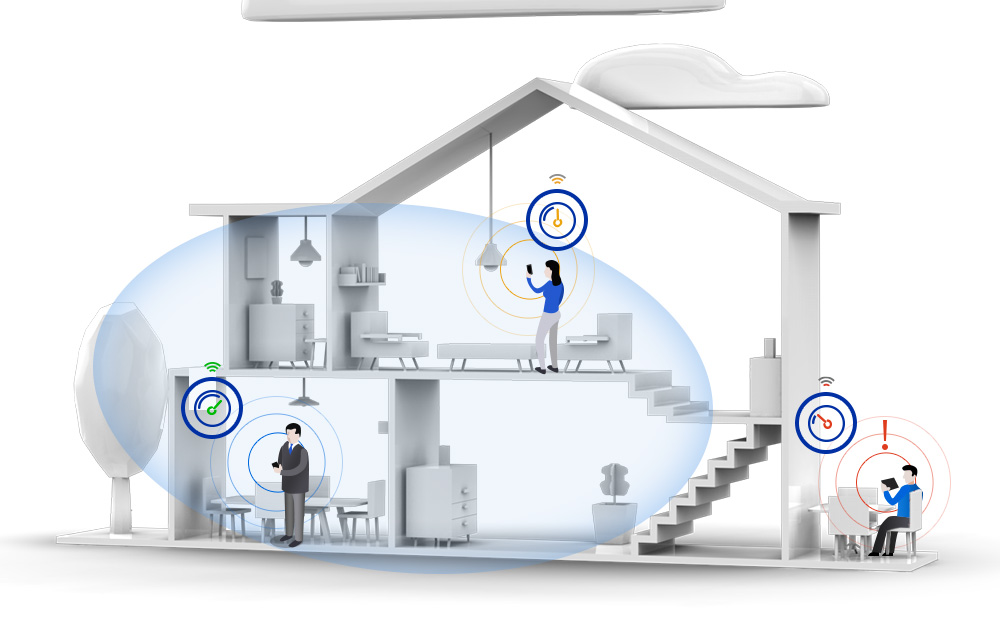
Proper placement of your equipment is crucial for a stable and reliable wireless network. Here are some tips to help you place your equipment:- Place the modem in a central location, away from walls and other obstructions.
- Install the router in a central location, elevated above the floor, to ensure optimal coverage.
- Position the AP in a location that needs additional coverage, such as a basement or attic.
Step 3: Set Up the Router
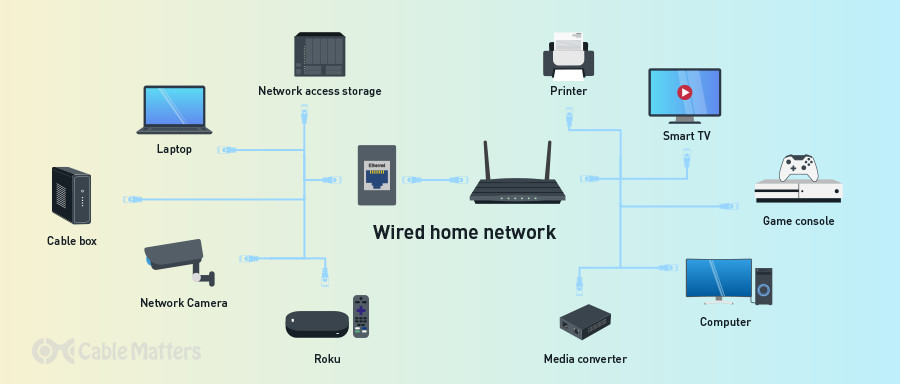
To set up the router, follow these steps:- Connect the modem to the router using an Ethernet cable.
- Power on the router and wait for it to boot up.
- Connect to the router's web interface using a web browser (default IP address is usually 192.168.0.1 or 192.168.1.1).
- Follow the on-screen instructions to set up the wireless network, including setting the SSID (network name) and password.
- Configure the wireless settings, including channel selection and encryption (WEP, WPA, or WPA2).
Step 4: Secure Your Network
A secure wireless network is essential to prevent unauthorized access and data theft. Here are some security measures to take:- Change the default SSID to a unique name that does not identify your location or network.
- Set a strong and unique password for the wireless network.
- Enable WPA2 encryption and use a strong password or passphrase.
- Disable WPS (Wi-Fi Protected Setup), which can provide an entry point for malicious access.
Step 5: Configure Your Devices
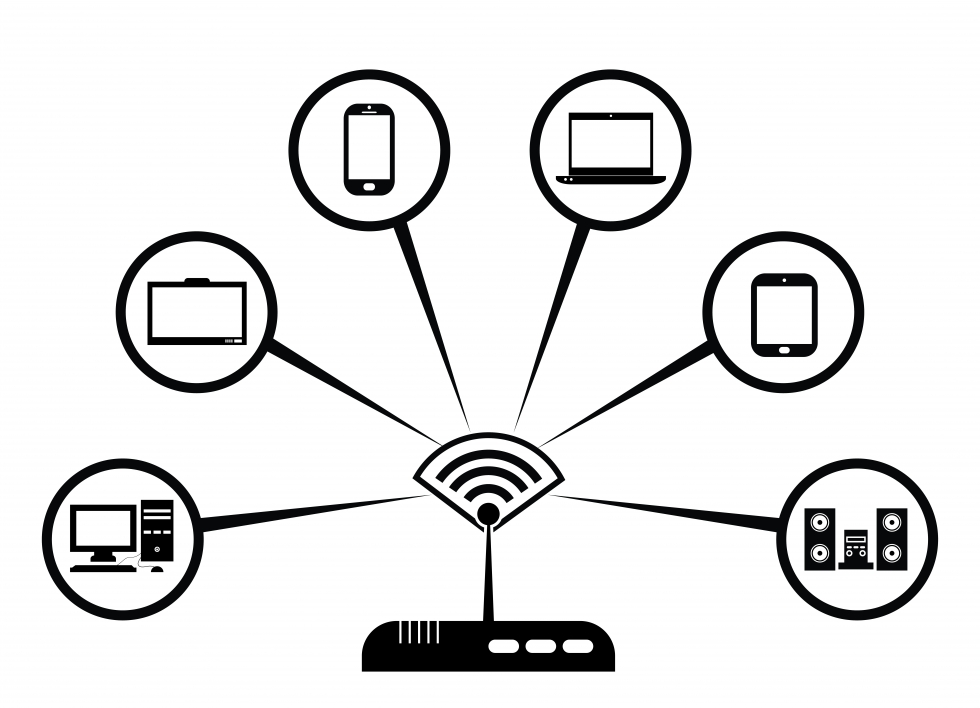
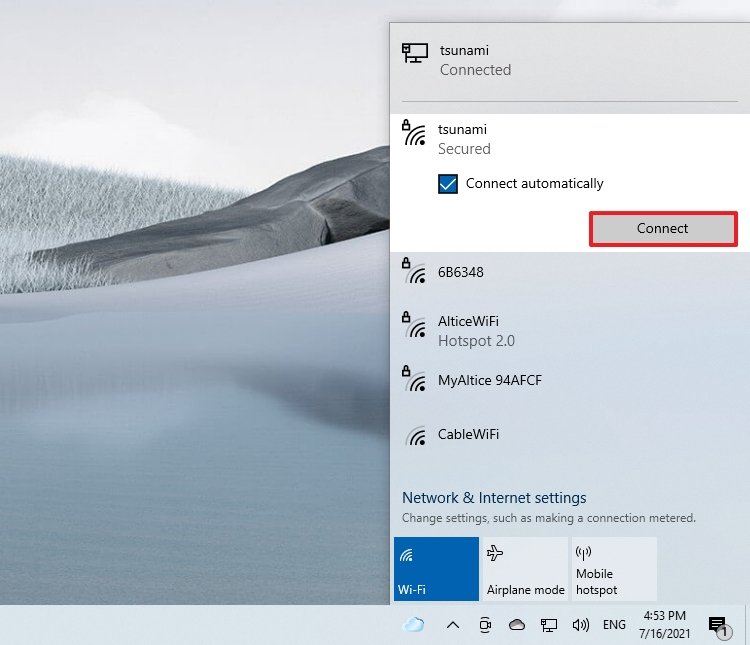
Once the router is set up and secured, you need to configure your devices to connect to the network:- Connect your devices (computers, mobile devices, etc.) to the wireless network using the SSID and password.
- Configure any devices that require a wired connection using Ethernet cables.
-Connection-Step-2-Version-3.jpg/aid1756116-v4-728px-Set-up-a-Wireless-Network-(WiFi)-Connection-Step-2-Version-3.jpg "How to Set Up Internet at Home: Guide to Wi-Fi Network Setup")