Carbon Credit Trading with IoT: Revolutionizing Climate Action
The world is on a mission to combat climate change, and technology is playing a crucial role in emissions tracking and carbon trading. Carbon credit trading with IoT is a game-changer in this sector, offering a transparent, secure, and efficient way to buy and sell carbon credits.
What is Carbon Credit Trading?
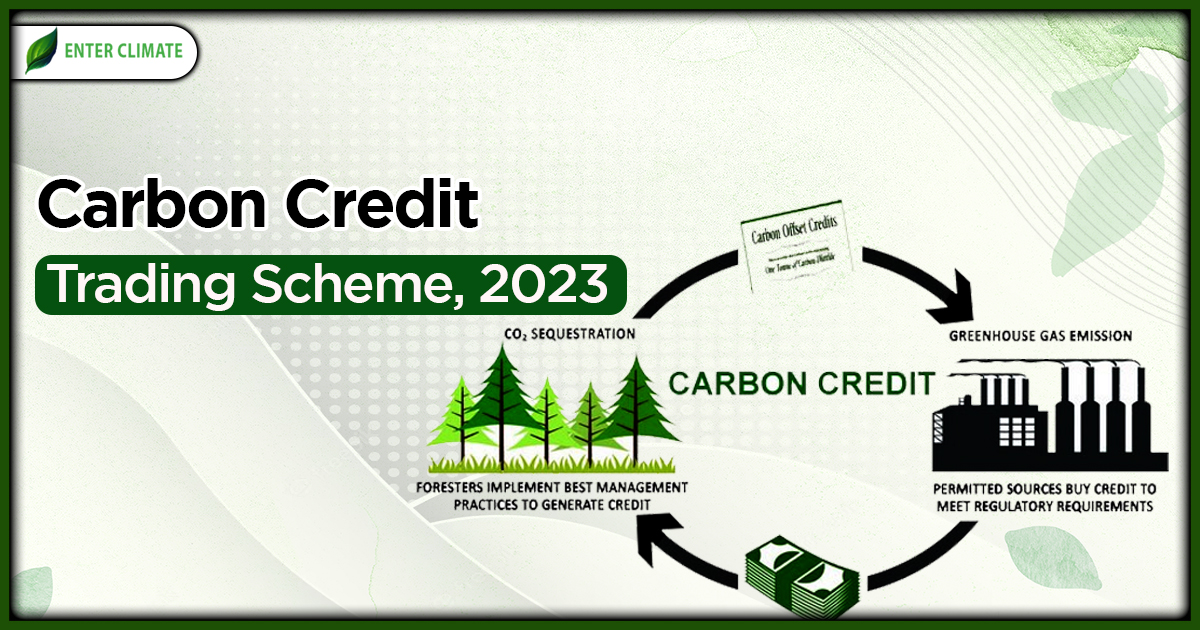
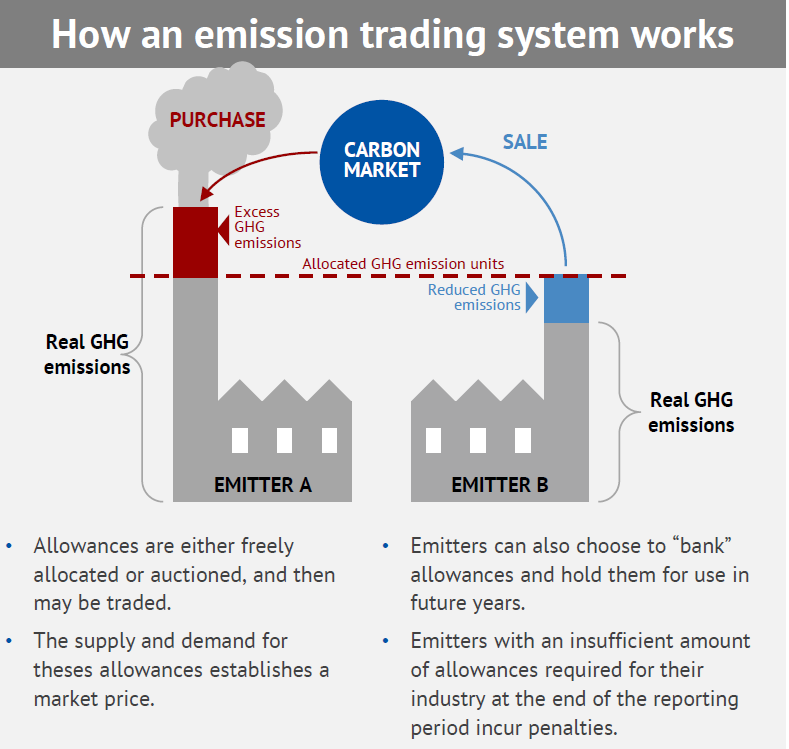
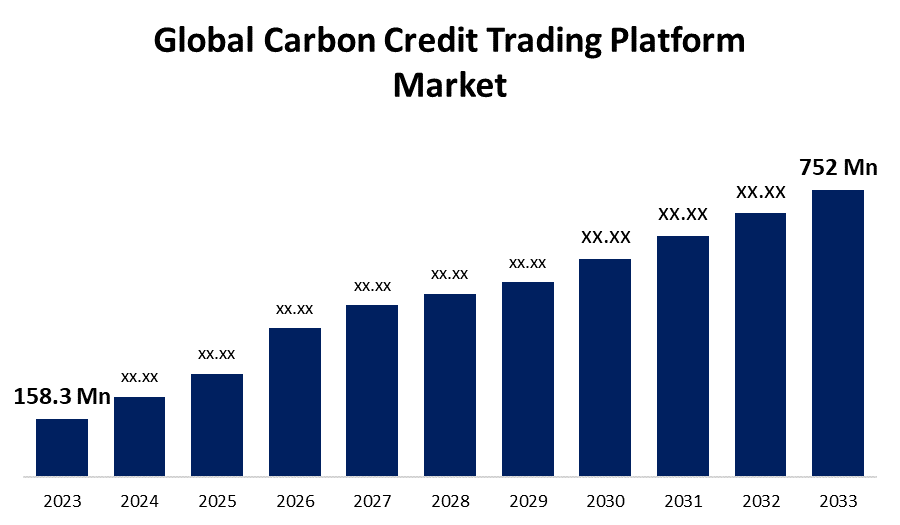
Carbon credit trading involves the buying and selling of carbon credits, which represent one metric ton of carbon dioxide removed or avoided through climate projects such as reforestation, renewable energy, or methane capture. The global carbon credit market is estimated to be worth billions of dollars, with a growing number of companies investing in carbon credits to offset their emissions.
The Role of IoT in Carbon Credit Trading
The Internet of Things (IoT) plays a crucial role in carbon credit trading by providing real-time monitoring and verification of carbon emissions. IoT sensors can track emissions in real-time, ensuring that carbon credits are accurately generated and verified. This not only enhances the transparency and integrity of the carbon credit market but also reduces the risk of carbon credit fraud.
Blockchain and Carbon Credit Trading
Blockchain technology is another key player in carbon credit trading. Blockchain-based platforms enable the secure and transparent trading of tokenized carbon credits, allowing businesses and investors to buy and sell carbon credits efficiently and securely. The use of blockchain in carbon credit trading has increased transparency and trust in the market, making it more appealing to investors.
The Benefits of Carbon Credit Trading with IoT

- Increased Transparency: IoT sensors and blockchain technology provide real-time monitoring and verification of carbon emissions, ensuring that carbon credits are accurately generated and verified.
- Improved Efficiency: Carbon credit trading with IoT enables fast and secure transactions, reducing the risk of carbon credit fraud and increasing market liquidity.
- Enhanced Trust: Blockchain technology increases transparency and trust in the carbon credit market, making it more appealing to investors.
- Reduced Carbon Emissions: Carbon credit trading with IoT encourages companies to invest in renewable energy and reforestation projects, reducing carbon emissions and mitigating climate change.
Case Studies and Examples
Several companies have successfully implemented carbon credit trading with IoT, including Techaroha, which specializes in end-to-end carbon credit trading platform development. Analytics Insight, a publication focused on disruptive technologies, has also explored the use of blockchain and IoT in carbon credit trading.
Conclusion
Carbon credit trading with IoT is a revolutionary approach to climate action, offering a transparent, secure, and efficient way to buy and sell carbon credits. By leveraging IoT sensors and blockchain technology, companies can reduce their carbon emissions and invest in renewable energy projects, contributing to a more sustainable future.
Future Outlook
The future of carbon credit trading with IoT looks promising, with several companies and research institutions exploring the use of blockchain and IoT in carbon credit trading. As the global carbon credit market continues to grow, we can expect to see more innovative solutions and applications of carbon credit trading with IoT.