Decoding the Connection Between GLP-1 and Food Cravings
Since the approval of GLP-1 medications for weight loss and diabetes management, numerous individuals have experienced a profound shift in their relationship with food. One of the most significant benefits reported by many patients is the reduction in food cravings and overeating. But what exactly happens when GLP-1 medications interact with our stomachs, brains, and bodies, leading to these remarkable changes? In this article, we'll delve into the intricacies of GLP-1 and food cravings, exploring the science behind this complex relationship.
What is GLP-1?
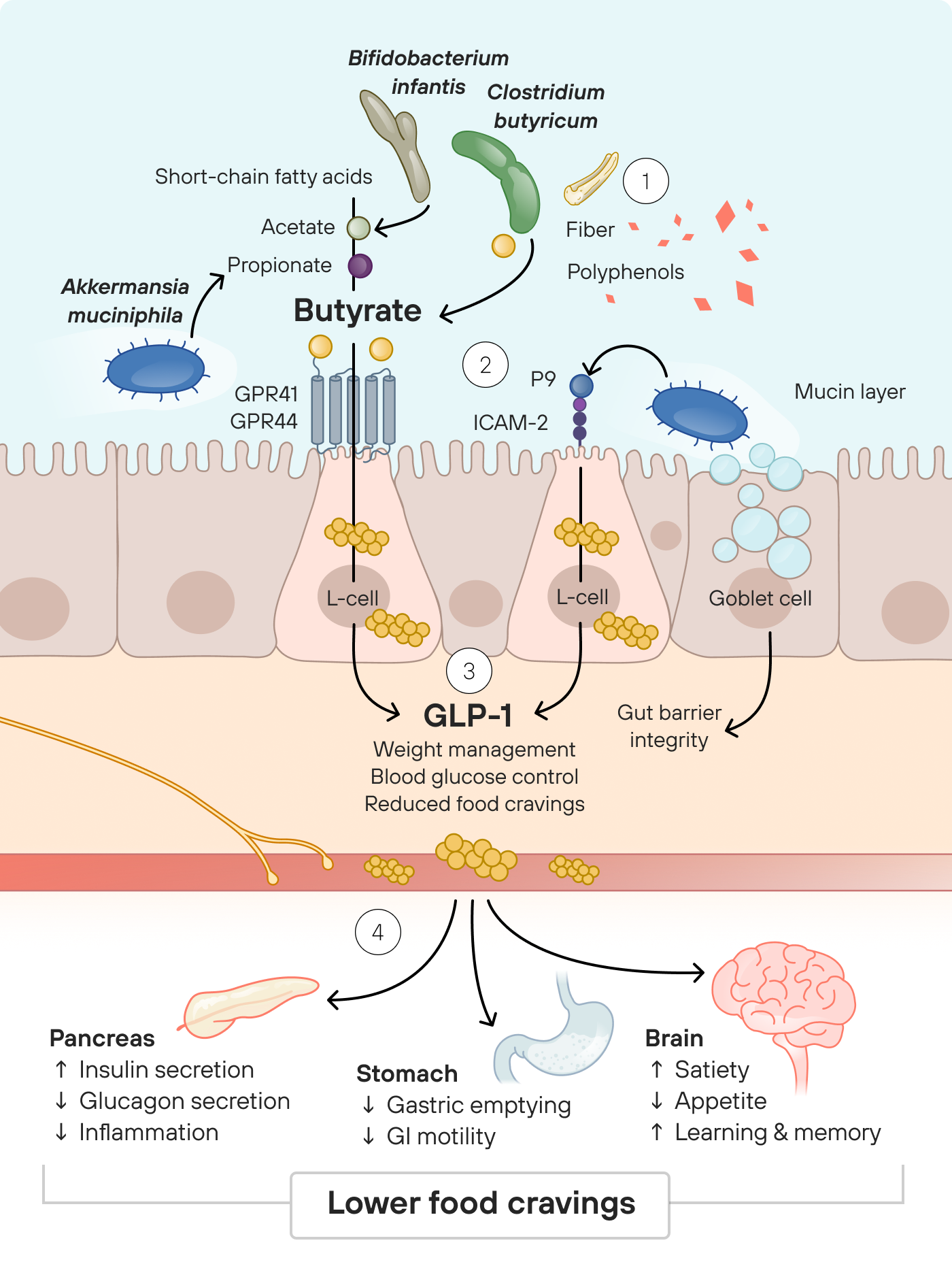
GLP-1 stands for glucagon-like peptide-1, a naturally occurring hormone produced by the intestines. This hormone plays a crucial role in appetite regulation, digestion, and insulin release. When GLP-1 medications mimic this hormone, they slow down gastric emptying, increase satiety, reduce hunger, and influence reward pathways related to eating behavior.
The Impact on Food Cravings
Studies have consistently shown that GLP-1 medications lead to a significant reduction in food cravings and overeating. This is due to the medication's influence on the brain's reward pathways, which are responsible for regulating emotions, motivation, and eating behavior. By targeting these pathways, GLP-1 medications can quieten overactive "emotional eating" responses, helping individuals feel more in control of their food choices.
- Reduced gut hormones: GLP-1 medications slow down the release of gut hormones that stimulate hunger and satiety, making it easier to feel full and satisfied after meals.
- Modified brain signals: GLP-1 medications interact with the brain's reward pathways, reducing the urge to overeat and crave certain foods.
- Increased satiety: By slowing gastric emptying and increasing satiety, GLP-1 medications lead to a feeling of fullness and reduced hunger pangs.
Food Choices and GLP-1
When starting GLP-1 medications, many patients notice changes in their sense of taste and food preferences. Some may find that they enjoy healthier foods more, while others might experience a decrease in the pleasure they derive from eating. This is due to the medication's impact on the brain's reward centers, which can lead to a decreased response to high-calorie and high-fat foods.

Interestingly, research suggests that certain food choices can influence GLP-1 levels and intensity of food cravings. Foods rich in fiber, protein, and healthy fats can support GLP-1 production and help reduce cravings. Some of the best foods for supporting GLP-1 include:
- Fermented foods: Foods like kimchi, kefir, and sauerkraut contain high levels of GLP-1-inducing compounds.
- High-fiber foods: Whole grains, fruits, and vegetables help regulate blood sugar levels and support healthy gut function.
- Protein-rich foods: Lean meats, fish, and plant-based protein sources can reduce hunger and support satiety.
- Omega-3 rich foods: Fatty fish like salmon and walnuts can help regulate inflammation and improve brain function.
Navigating GLP-1 and Food Cravings
While GLP-1 medications can be incredibly effective in reducing food cravings, it's essential to approach this change with a balanced and informed mindset. Here are some tips to help you navigate the connection between GLP-1 and food cravings:
- Listen to your body: Pay attention to your hunger and fullness cues to develop a healthier relationship with food.
- Make informed food choices: Prioritize whole, nutrient-dense foods and limit processed and high-calorie options.
- Maintain a balanced diet: Combine GLP-1 medications with a healthy, balanced diet to achieve optimal results.
- Stay hydrated: Adequate hydration can help reduce cravings and support a healthy gut microbiome.
Conclusion
The connection between GLP-1 and food cravings is complex and multifaceted. By understanding the science behind this relationship and adopting a balanced approach to nutrition and lifestyle, you can harness the full potential of GLP-1 medications to control your food cravings and achieve a healthier, happier you.
As more research emerges on the effects of GLP-1 medications, one thing becomes clear: the connection between GLP-1 and food cravings is just the beginning of a larger discussion about the intricate interplay between our brain, body, and diet. By staying informed and working closely with your healthcare provider, you can unlock the full benefits of GLP-1 medications and emerge with a healthier, more balanced relationship with food.