The Relationship between GLP-1 and Cerebellum for Calorie Regulation
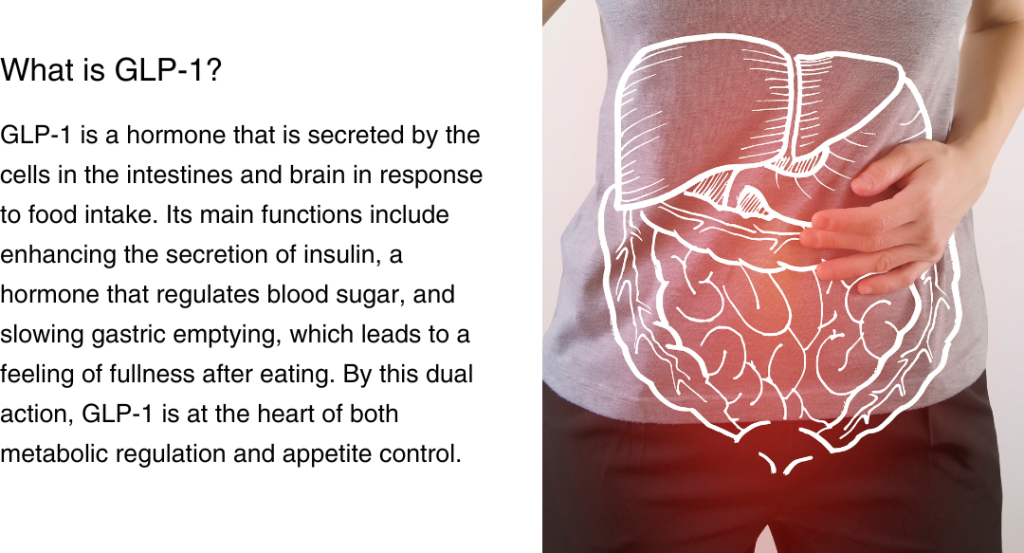
The glucagon-like peptide-1 (GLP-1) hormone plays a crucial role in regulating blood sugar levels and appetite signals throughout the body. Recent studies have shed light on the relationship between GLP-1 and the cerebellum, especially in regards to calorie regulation. This article provides a comprehensive overview of the intricate connection between GLP-1, cerebellum, and calorie regulation.GLP-1 and Cerebellum: Understanding the Link
The cerebellum, often associated with motor control, is now recognized as a critical player in regulating physiological and behavioral responses to calorie restriction. Research suggests that the cerebellum interacts with the hypothalamus, a major area of the brain responsible for hunger signaling. The relationship between the cerebellum and nutritional regulation may be due to direct connections with the hypothalamus, ultimately influencing eating behavior and energy homeostasis.GLP-1 Signaling and Cerebellar Function
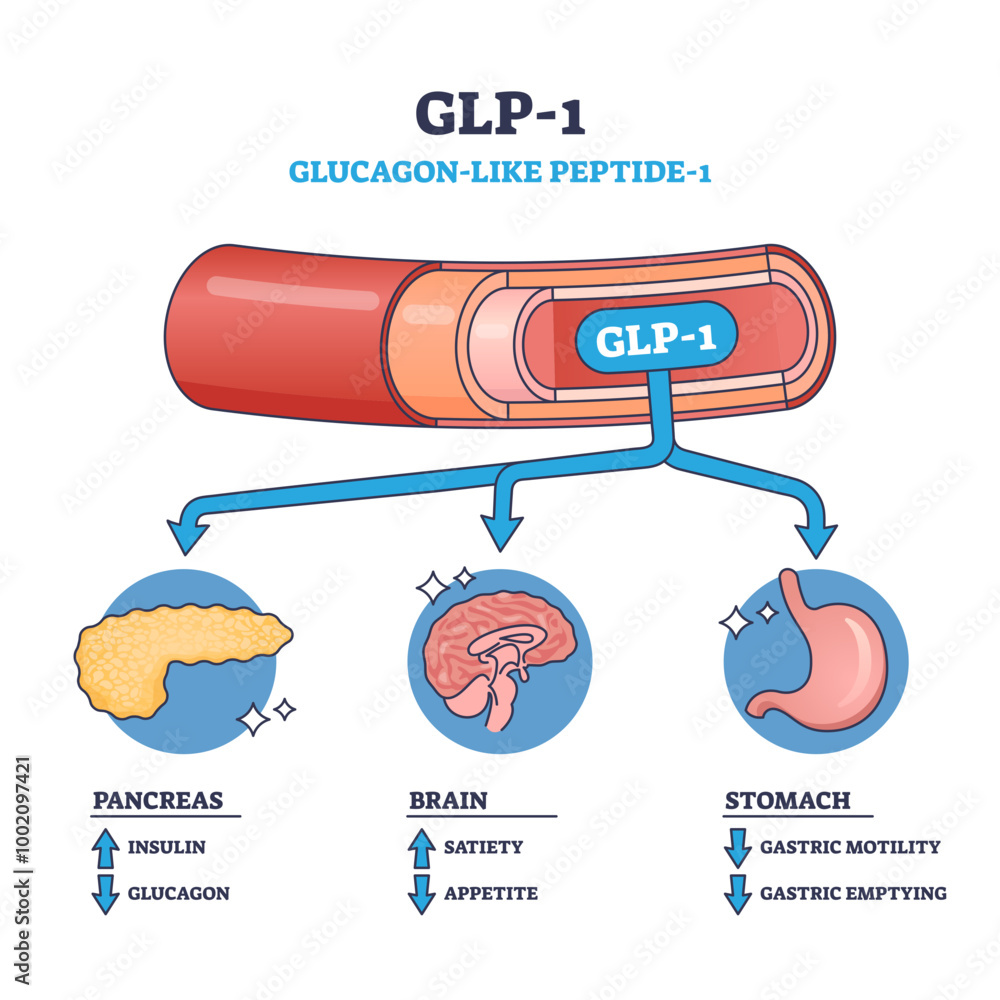
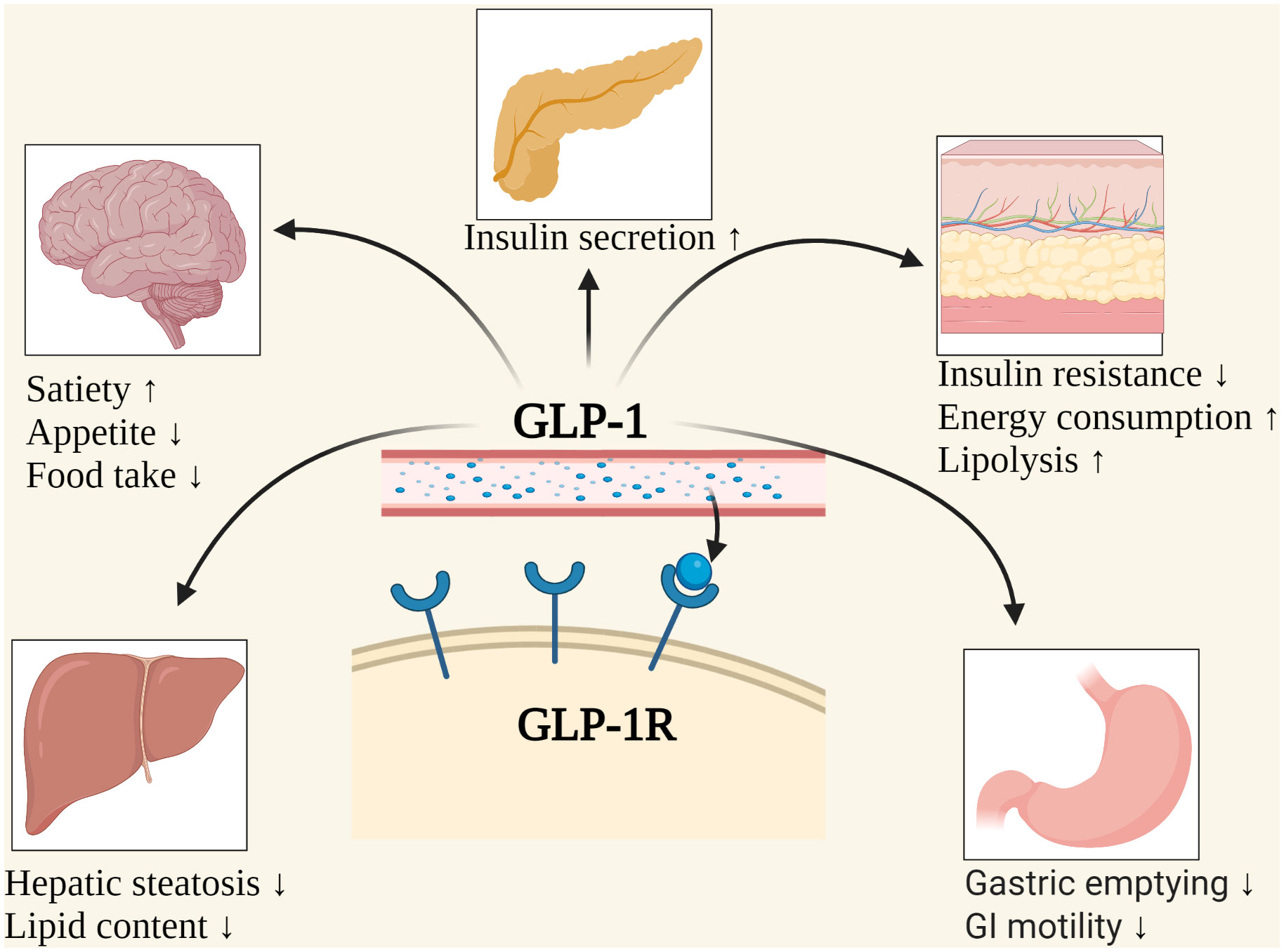
Studies have shown that GLP-1 signaling plays a significant role in the regulation of food intake and energy metabolism. Peripheral or central GLP-1 suppresses food intake and reduces body weight. The activation of GLP-1 receptors involves second messenger pathways and ionic events in the autonomic nervous system, which are essential for explaining the central actions of GLP-1 as a neuromodulator coordinating food intake in response to physiological and stress-related stimuli.The Role of GLP-1 in Cerebellar Function and Calorie Regulation