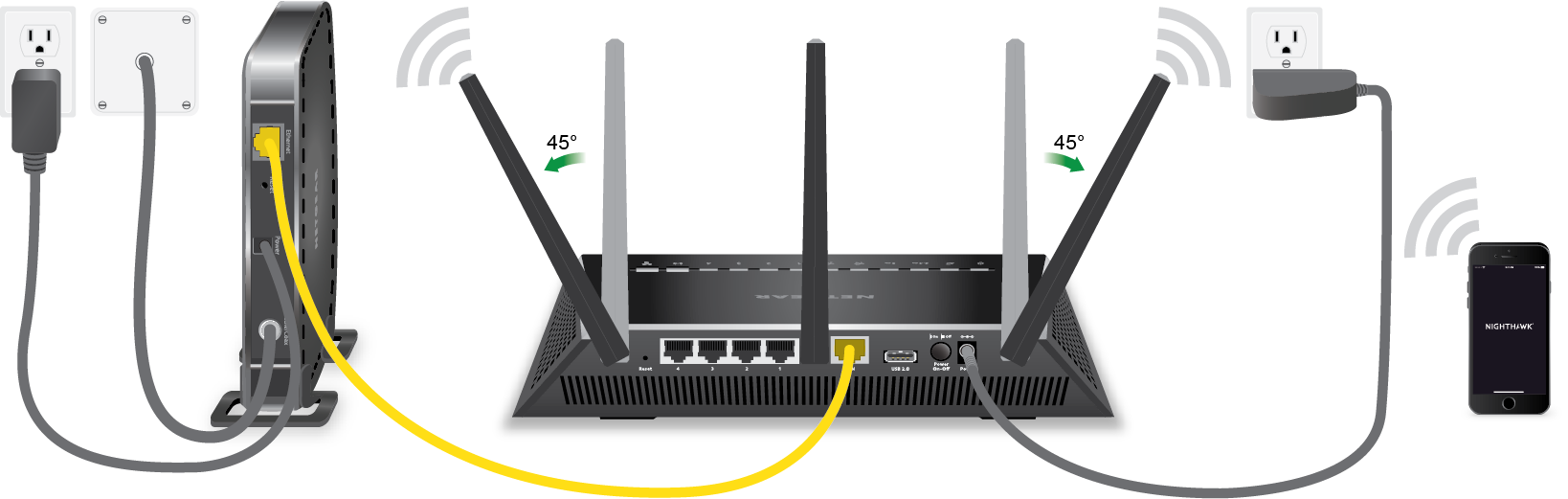
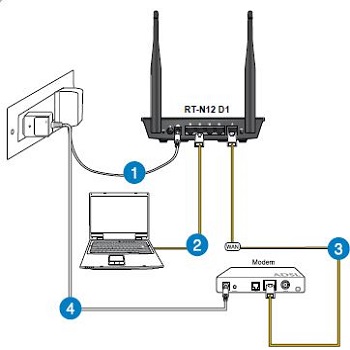
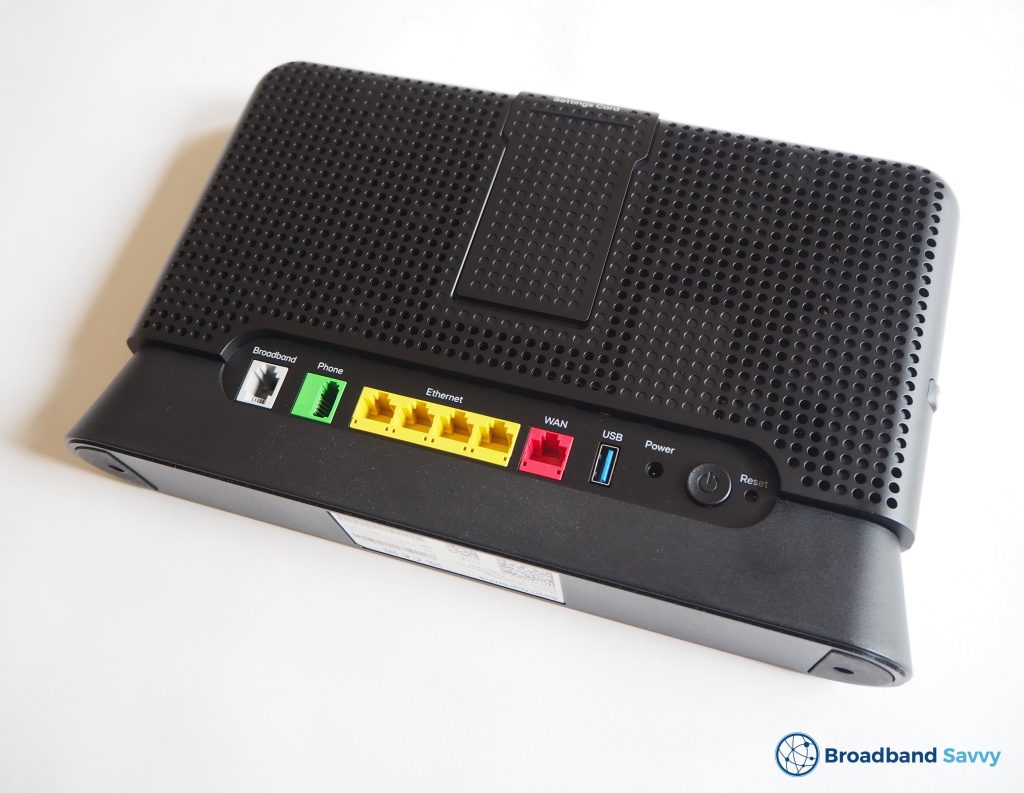
Ultimate Wi-Fi 6 Router Setup for Security: A Comprehensive Guide
Setting up your home Wi-Fi router to optimize your privacy and cybersecurity is crucial in today's digital age. A secure Wi-Fi setup is not only essential for protecting your personal data but also for ensuring the protection of your family and guests who use your network. In this article, we will guide you through the minimum essential steps to secure your Wi-Fi 6 router and ensure it doesn't introduce any unnecessary cybersecurity risks.
The Problem
Wi-Fi networks, especially those with routers, can be vulnerable to various cyber threats, including hacking, eavesdropping, and unauthorized access. If you don't secure your home Wi-Fi network, cyber threat actors can perform a number of operations that can compromise your data, including theft, eavesdropping, and even inject malicious content into your connected devices.
Understanding Wi-Fi 6 Router Setup for Security
A Wi-Fi 6 router setup for security involves configuring your router to use the latest wireless security protocols, such as WPA3, and enabling advanced security features, like firewalls and parental controls. This can help protect your network from unauthorized access and prevent cyber threats from compromising your data.
Key Features of a Secure Wi-Fi 6 Router Setup
A secure Wi-Fi 6 router setup should include the following features:
- WPA3 Security Protocol: This is the latest wireless security protocol that provides enhanced encryption and protection against cyber threats.
- Firewall: A firewall helps block unauthorized access to your network and prevents malicious traffic from reaching your connected devices.
- Parental Controls: Parental controls allow you to restrict access to certain websites and content, ensuring that your children and other family members stay safe online.
- VPN Compatibility: A VPN (Virtual Private Network) allows you to create a secure, encrypted connection between your device and a VPN server, protecting your data from unauthorized access.
- Automatic Updates: Automatic updates ensure that your router's security software is always up-to-date, providing the latest protection against emerging cyber threats.
- Regular Scans: Regular scans help detect and remove malware from your network, ensuring that your devices remain secure and free from cyber threats.
Setting Up Your Wi-Fi 6 Router for Security
Setting up your Wi-Fi 6 router for security involves the following steps:
Step 1: Update Your Router's Firmware
Update your router's firmware to the latest version to ensure you have the latest security patches and features. You can check your router's firmware version by logging into your router's web interface and looking for the "Firmware Version" or "Upgrade" section.
Step 2: Enable WPA3 Security Protocol
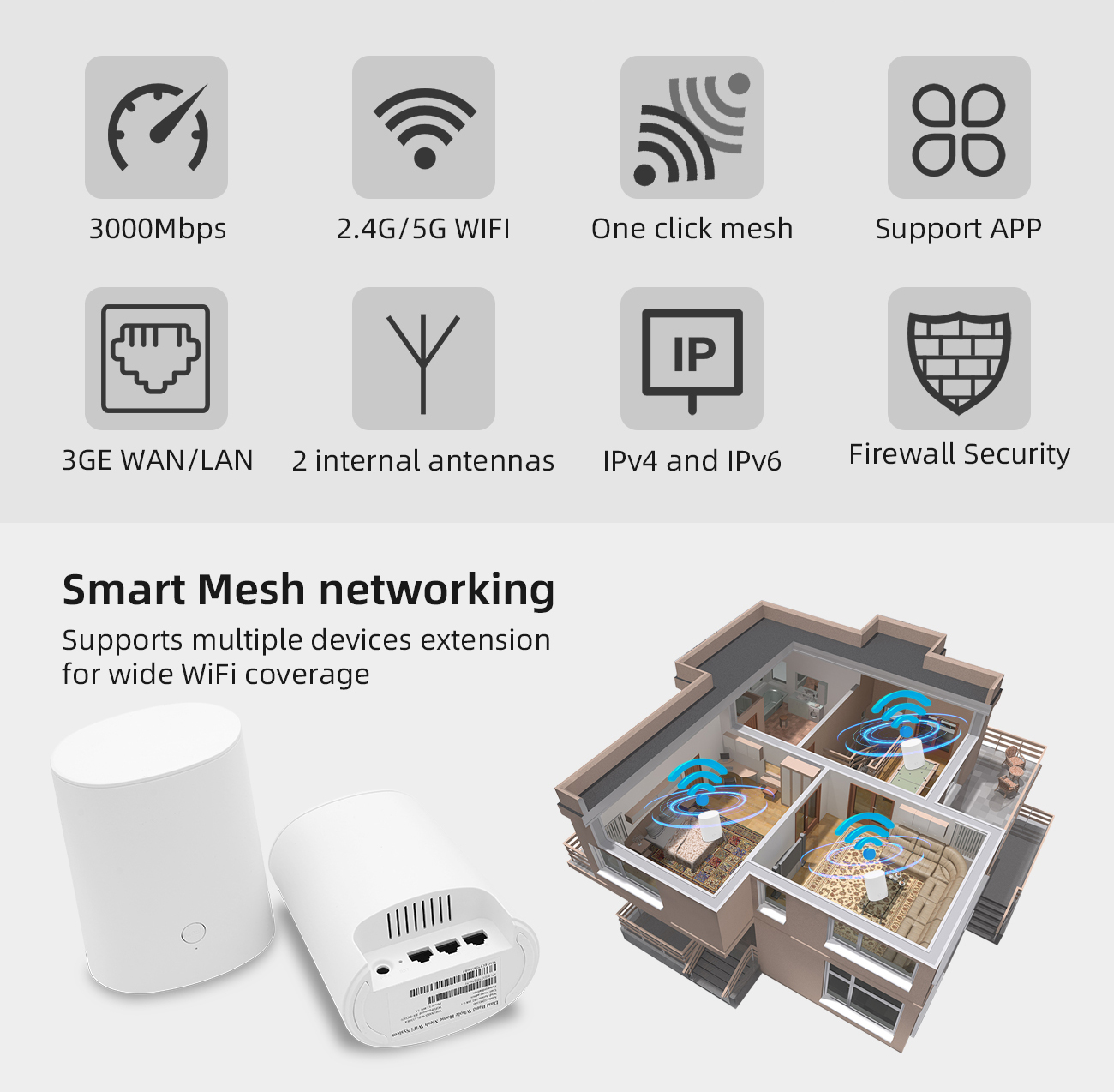
WPA3 is the latest wireless security protocol that provides enhanced encryption and protection against cyber threats. To enable WPA3, log into your router's web interface, navigate to the "Wireless Settings" or "Security" section, and select WPA3 as your security protocol.
Step 3: Configure Firewall Settings
Configure your firewall to block unauthorized access to your network. You can set up your firewall to block incoming traffic, restrict access to certain devices or networks, and even create custom firewall rules.
Step 4: Enable Parental Controls
Enable parental controls to restrict access to certain websites and content. You can set up parental controls to limit access to certain websites, block certain content types, and even set up custom filters.
Step 5: Configure VPN Compatibility
Configure your router to support VPN compatibility, which allows you to create a secure, encrypted connection between your device and a VPN server.
Step 6: Enable Automatic Updates
Enable automatic updates to ensure that your router's security software is always up-to-date, providing the latest protection against emerging cyber threats.
Step 7: Regularly Scan for Malware
Regularly scan for malware to detect and remove malicious software from your network.