Carbon Credit Trading in the US: A Comprehensive Guide
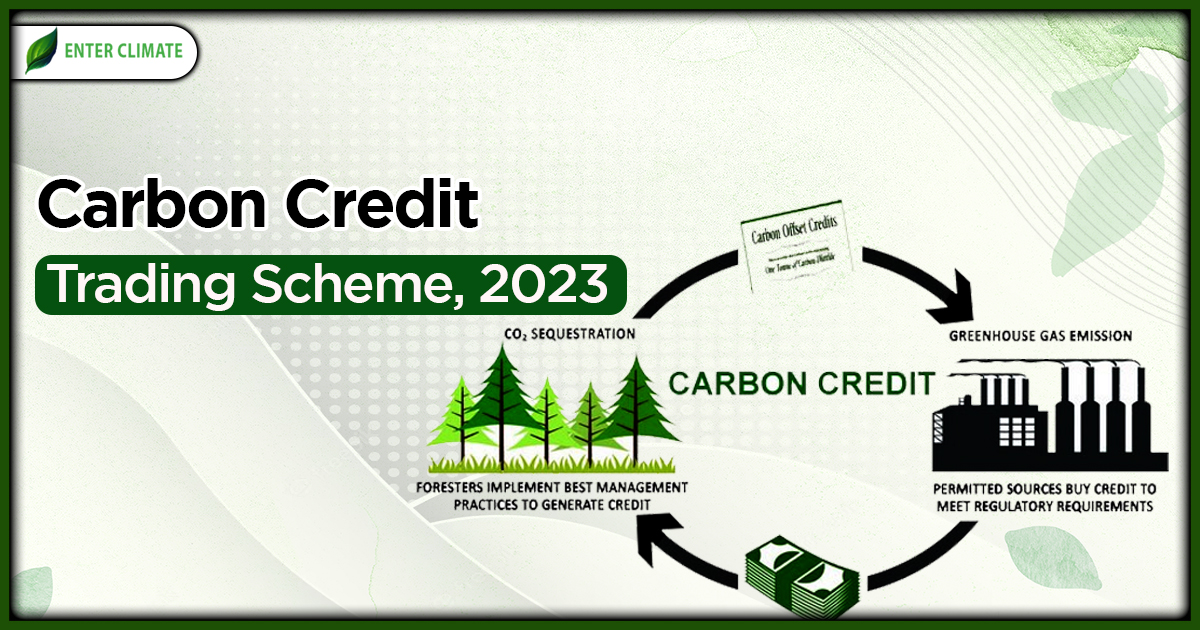
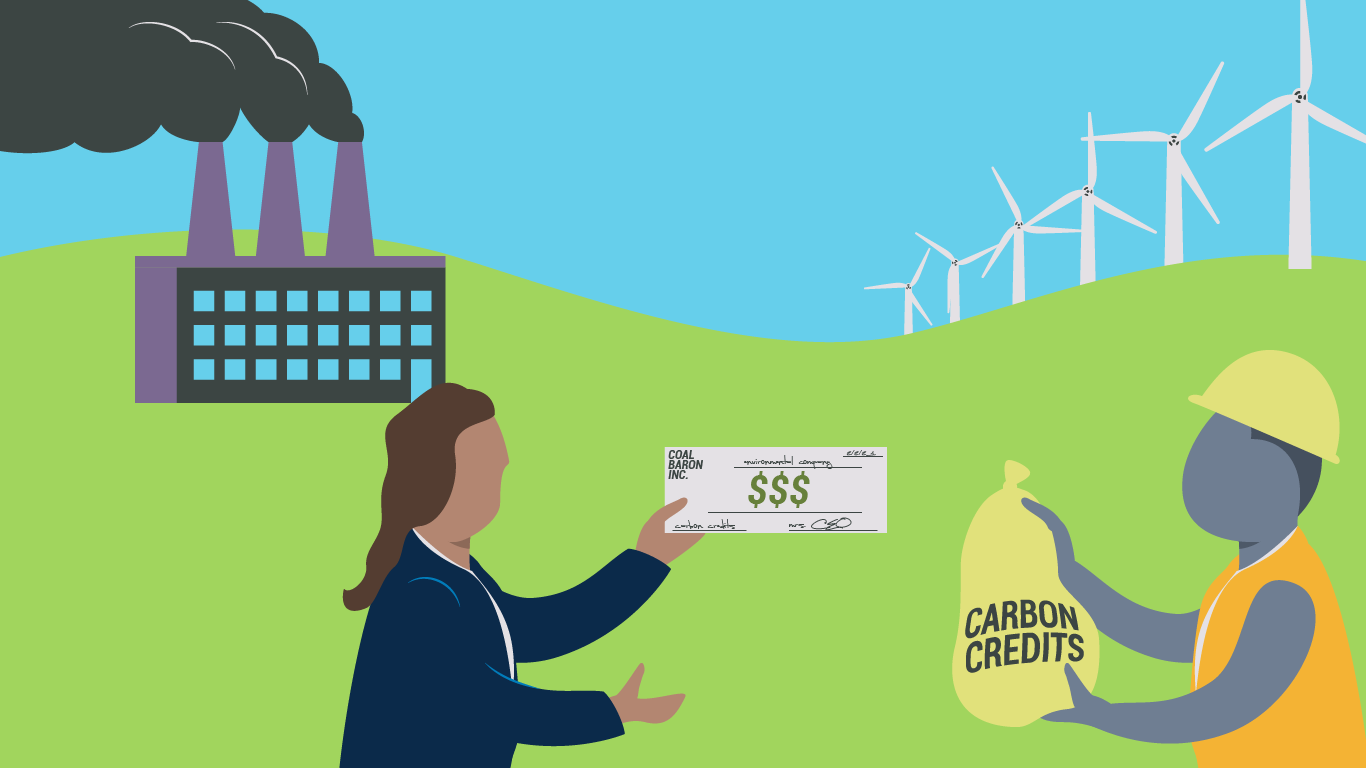
As the world continues to grapple with the challenges of climate change, the US has taken significant steps towards reducing greenhouse gas emissions. One of the key mechanisms in this effort is Carbon Credit Trading, a voluntary market that allows companies and individuals to offset their emissions by purchasing carbon credits generated from projects that reduce or remove emissions.
What is Carbon Credit Trading?
Carbon Credit Trading involves the buying and selling of carbon credits, which are generated from projects that reduce or remove emissions, such as reforestation, renewable energy, and energy efficiency initiatives. The credits are measured in tons of CO2 equivalent (tCO2e) and are typically sold on a voluntary basis to companies and individuals looking to offset their emissions.
The Regulatory Framework
The US government has released voluntary carbon credits market guidelines, emphasizing integrity, environmental justice, and corporate responsibility. The Commodity Futures Trading Commission (CFTC) has also approved final guidance on the listing for trading of voluntary carbon credit derivative contracts. This guidance applies to designated contract markets (DCMs), which are CFTC-regulated derivatives exchanges.
The Role of Regional Greenhouse Gas Initiative (RGGI) and California Air Resources Board (CARB) Cap-and-Trade Program
While no federal carbon credit trading program currently exists in the US, the Regional Greenhouse Gas Initiative (RGGI) and the California Air Resources Board Cap-and-Trade Program are two of the most prominent trading programs in the nation. These programs set limits on greenhouse gas emissions and allow companies to buy and sell credits to meet these limits.
Benefits of Carbon Credit Trading
Carbon credit trading offers several benefits, including:
- Reducing greenhouse gas emissions: By purchasing carbon credits, companies and individuals can offset their emissions and contribute to reducing the overall greenhouse gas footprint.
- Supporting renewable energy and energy efficiency initiatives: Carbon credits are generated from projects that promote renewable energy and energy efficiency, which can help reduce dependence on fossil fuels and mitigate climate change.
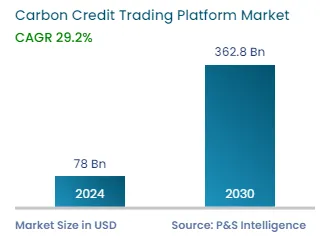
- Creating economic opportunities: Carbon credit trading can create jobs and stimulate economic growth in the renewable energy and energy efficiency sectors.
Challenges and Controversies
While carbon credit trading has many benefits, it also has several challenges and controversies, including:
- Lack of standardization: Different carbon credit schemes have varying standards and methodologies, which can make it difficult to compare and verify emissions reductions.
- Risk of double counting: Carbon credits may be counted multiple times, leading to an overestimation of emissions reductions.
- Concerns over additionality: Some critics argue that carbon credits may not be additional to existing projects or may not generate new emissions reductions.
Conclusion
Carbon credit trading is a complex and evolving market that offers several benefits, including reducing greenhouse gas emissions and promoting renewable energy and energy efficiency initiatives. However, it also has several challenges and controversies, including lack of standardization, risk of double counting, and concerns over additionality. As the US continues to transition towards a low-carbon economy, carbon credit trading will play an increasingly important role in reducing emissions and promoting sustainable development.
Key Takeaways
- Carbon credit trading is a voluntary market that allows companies and individuals to offset their emissions by purchasing carbon credits generated from projects that reduce or remove emissions.
- The US government has released voluntary carbon credits market guidelines, emphasizing integrity, environmental justice, and corporate responsibility.
- The Regional Greenhouse Gas Initiative (RGGI) and the California Air Resources Board Cap-and-Trade Program are two of the most prominent trading programs in the US.
- Carbon credit trading offers several benefits, including reducing greenhouse gas emissions, supporting renewable energy and energy efficiency initiatives, and creating economic opportunities.
- Carbon credit trading also has several challenges and controversies, including lack of standardization, risk of double counting, and concerns over additionality.