Antidepressants and GLP-1 Agonists: Understanding the Connection
In the era of modern medicine, there is a growing body of research exploring the link between glucagon-like peptide-1 receptor agonists (GLP-1RAs) and antidepressants. GLP-1RAs are commonly used to treat type 2 diabetes, while antidepressants are prescribed to manage mental health conditions. Recent studies suggest that GLP-1RAs may have a positive impact on mental health, particularly in individuals with depression and anxiety. In this article, we will delve into the world of GLP-1RAs and antidepressants, exploring their mechanisms of action, potential benefits, and areas of ongoing research.
What are GLP-1RAs and How Do They Work?
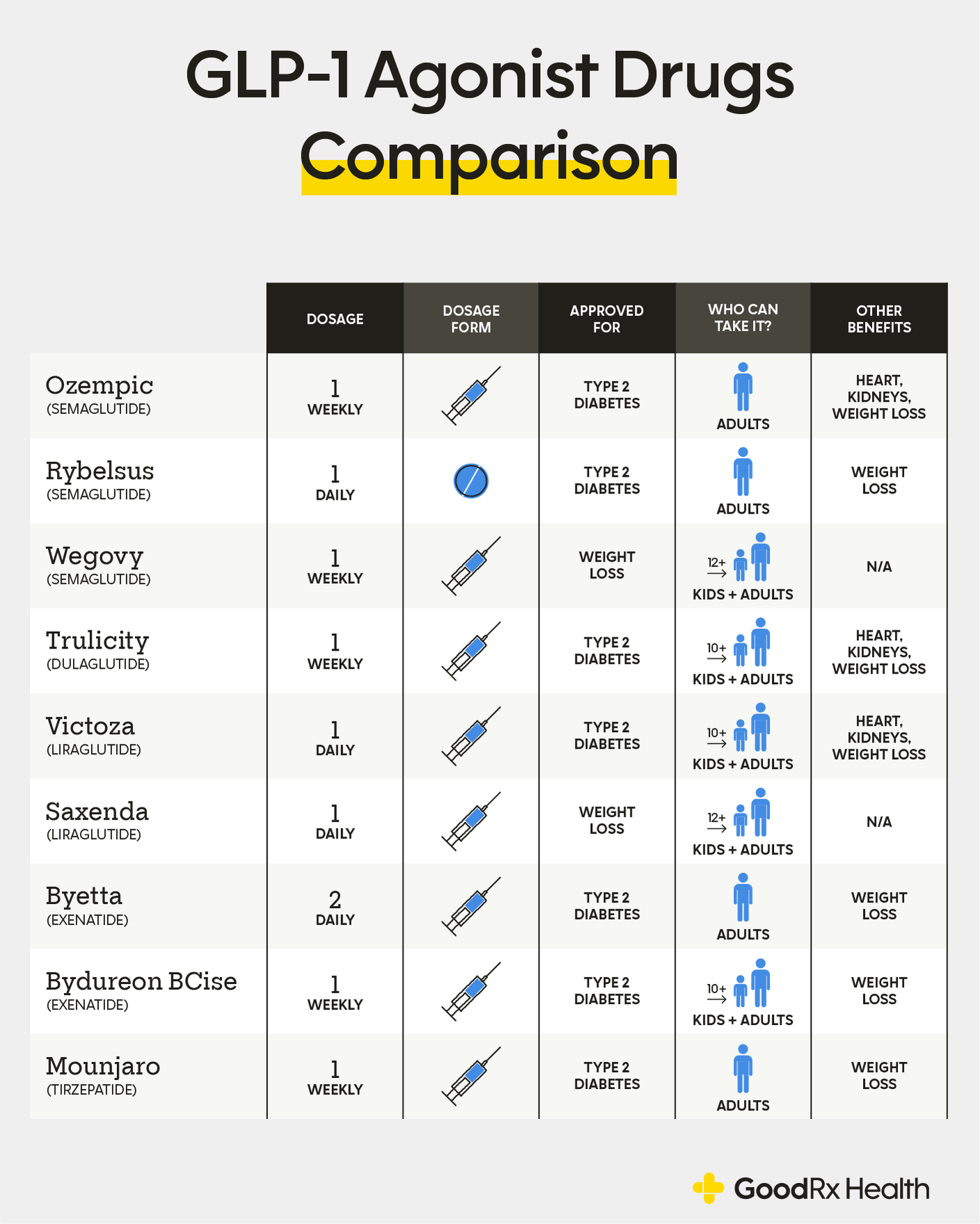
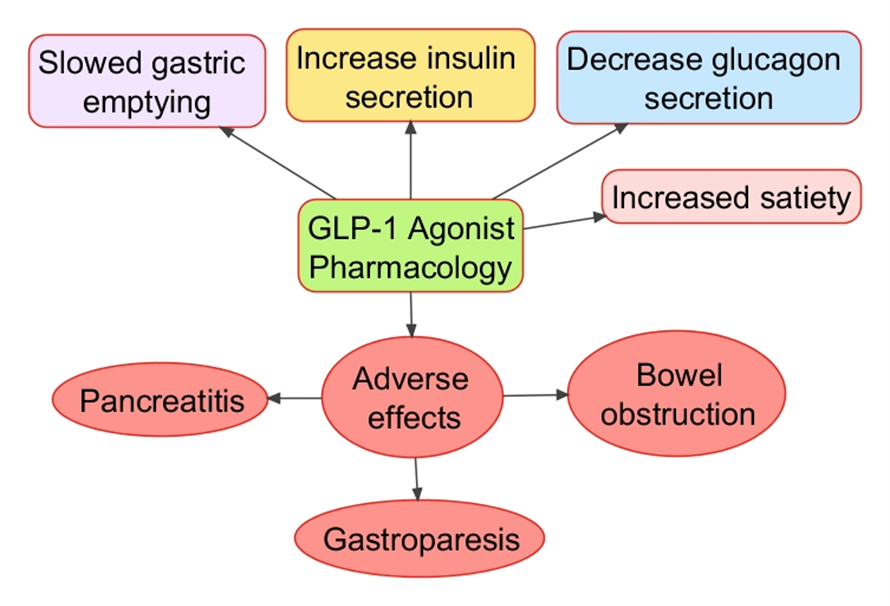
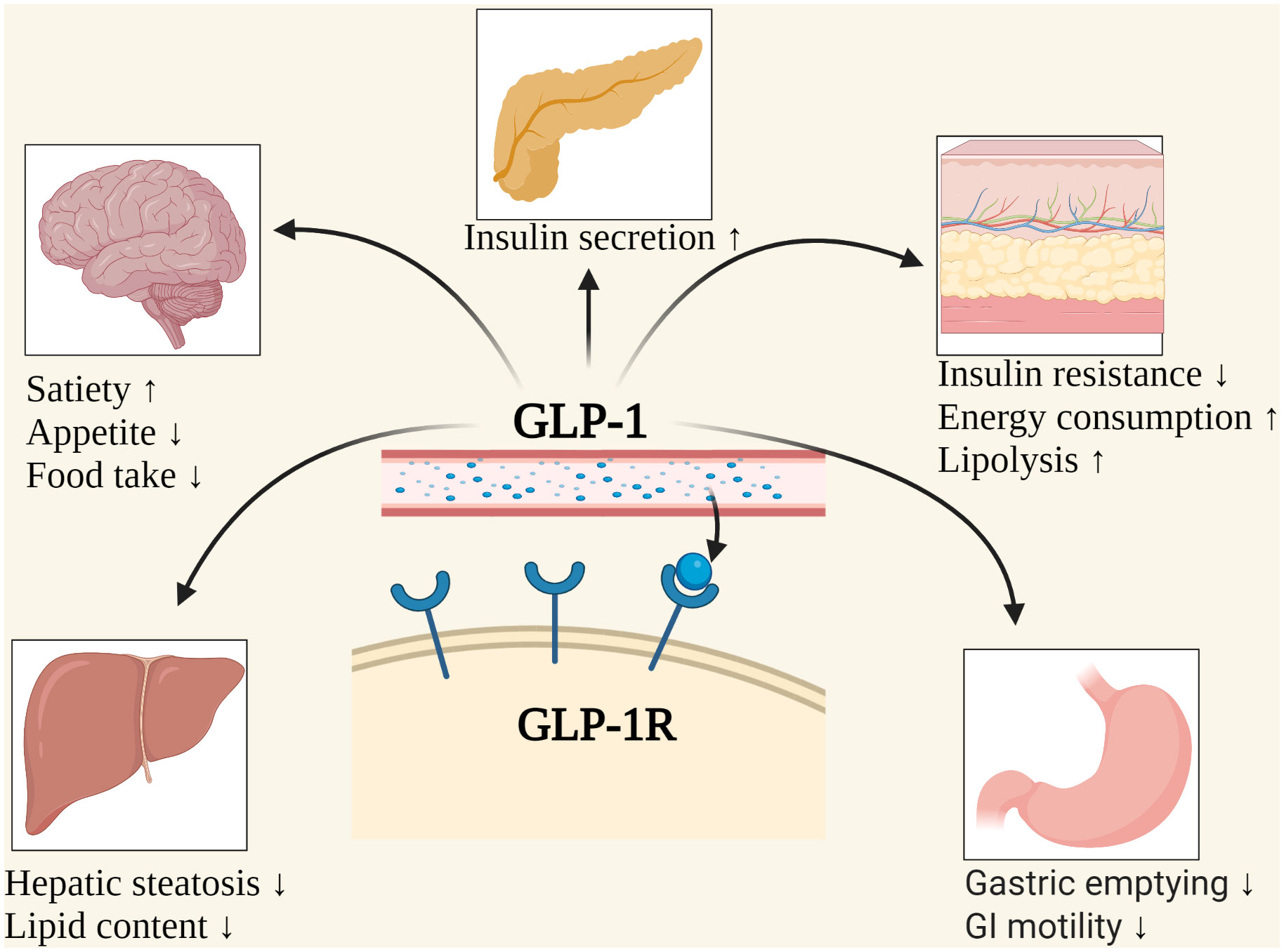
GLP-1RAs are a class of medications that mimic the action of the naturally occurring hormone glucagon-like peptide-1 (GLP-1). GLP-1 is released by the gut and plays a crucial role in regulating blood sugar levels, appetite, and metabolic function. GLP-1RAs, such as semaglutide and liraglutide, activate the GLP-1 receptor, leading to improved insulin sensitivity, reduced glucose production, and increased satiety. This unique mechanism of action has led to their use in managing type 2 diabetes and obesity.
The Antidepressant Effects of GLP-1RAs: Emerging Evidence
Several studies have investigated the antidepressant effects of GLP-1RAs, with promising results. A systematic review published in the Journal of Clinical Psychopharmacology examined the association between GLP-1RAs and antidepressant use in over 20,000 individuals. The results showed a significant reduction in depression scores and symptoms in individuals treated with GLP-1RAs, even when adjusting for confounding factors. Another study published in The American Journal of Geriatric Psychiatry found that GLP-1RAs were associated with a reduced risk of worsening depression and anxiety in older adults with type 2 diabetes.
How Do GLP-1RAs Influence Mental Health?
The exact mechanisms behind the antidepressant effects of GLP-1RAs are not fully understood but are thought to involve several pathways. GLP-1RAs may reduce neuroinflammation, promote neuroplasticity, and modulate anxiety-related regulation. Additionally, GLP-1RAs have been shown to decrease the expression of genes involved in depression and anxiety, suggesting a potential therapeutic effect on mental health.
Challenges and Controversies
While the evidence is promising, there are ongoing debates and challenges in the field. Some studies have reported mixed or contradictory results, and the optimal dosing and duration of GLP-1RA treatment for mental health benefits are unclear. Additionally, the relationship between GLP-1RAs and other antidepressant medications remains to be fully explored.
Future Directions and Implications
Further research is necessary to fully understand the antidepressant effects of GLP-1RAs and to establish their role in mental health management. If GLP-1RAs do indeed possess antidepressant properties, this could represent a significant breakthrough in the treatment of depression and anxiety. Healthcare providers and patients must be aware of the potential benefits and risks of GLP-1RAs and other antidepressant medications, particularly in the context of complex metabolic disorders.
Conclusion
As the scientific community continues to explore the connection between GLP-1RAs and antidepressants, one thing is clear: the research is blossoming. By understanding the intricate mechanisms of action and potential benefits of GLP-1RAs, we may unlock new avenues for treating mental health conditions, particularly in individuals with type 2 diabetes. The future of GLP-1RAs in psychiatry is vast and promising, and we can look forward to a new frontier in the treatment of mental health disorders.