Correct Your Posture: The Key to a Healthier, Happier You
Good posture is not just about standing up straight; it's a way of life. When you correct your posture, you're not only improving your physical appearance, but also reducing the risk of chronic pain, improving your breathing, and boosting your overall well-being. In this article, we'll explore the importance of correcting your posture, the benefits of good posture, and provide you with practical tips and exercises to help you achieve a healthier, happier you.
Why Correcting Your Posture Matters
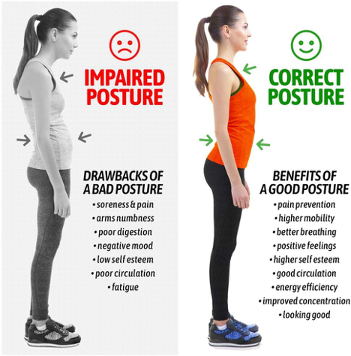
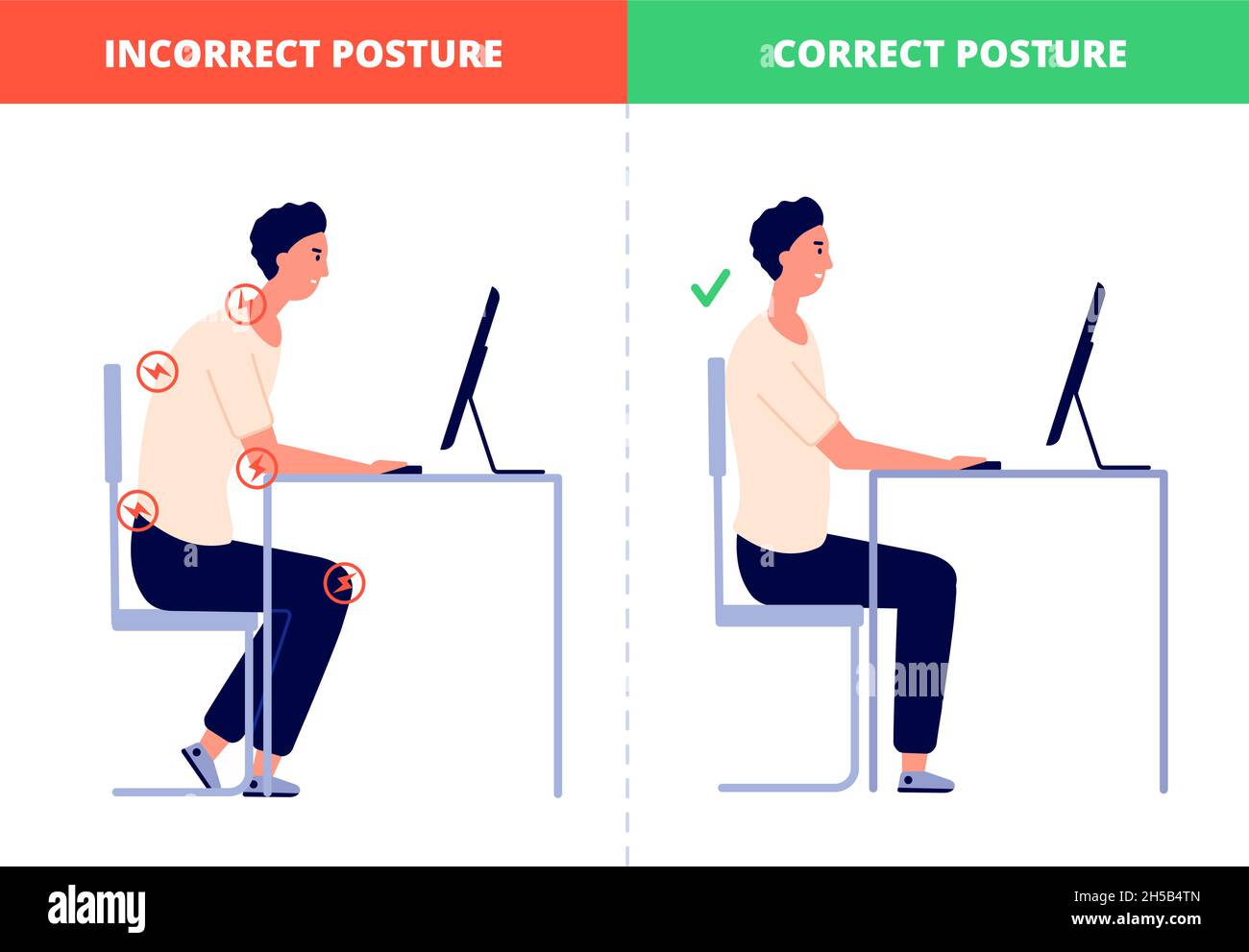
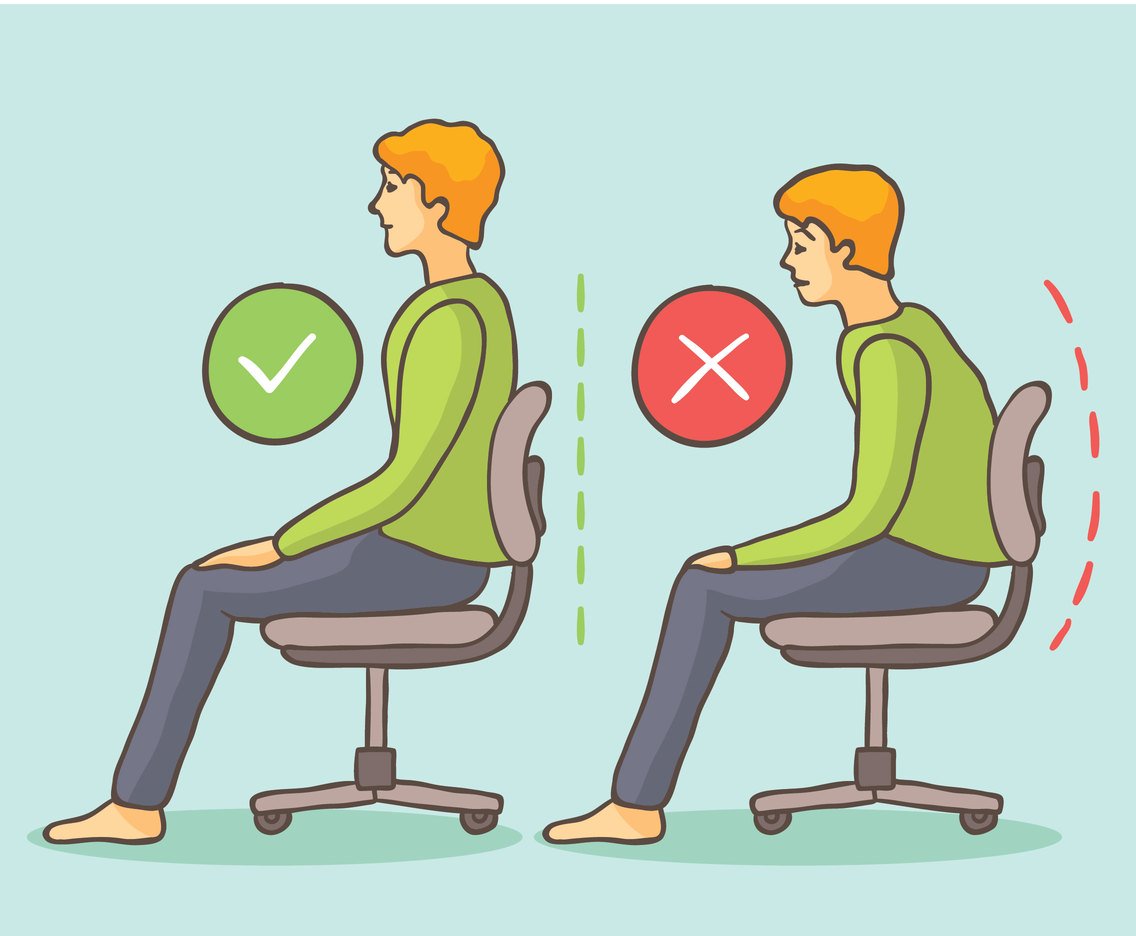
Bad posture can have a significant impact on your daily life. It can lead to back pain, headaches, and even affect your mood and energy levels. When you slouch or hunch your body, you're putting unnecessary strain on your muscles and joints, which can lead to long-term damage. On the other hand, good posture can improve your balance, reduce muscle fatigue, and even boost your self-confidence.
The Benefits of Good Posture
- Reduces back and neck pain
- Improves breathing and digestion
- Boosts energy levels and reduces fatigue
- Improves balance and reduces the risk of falls
- Enhances self-confidence and self-esteem
- Reduces the risk of chronic pain and injuries
How to Correct Your Posture
Correcting your posture requires a combination of muscle strength, joint mobility, and overall balance. Here are some simple exercises and tips to help you get started:
Exercises to Improve Posture
- Plank: Hold a plank position for 30-60 seconds, rest for 30 seconds, and repeat for 3-5 sets. This exercise targets your core, back, and gluteal muscles.
- Shoulder Rolls: Roll your shoulders forward and backward in a circular motion. Repeat for 10-15 repetitions, 3-5 sets.
- Neck Stretch: Slowly tilt your head to the side, bringing your ear towards your shoulder. Hold for 30 seconds and repeat on the other side.
- Chest Stretch: Place your hands on a wall or door frame and lean forward, stretching your chest. Hold for 30 seconds.
Tips to Improve Posture
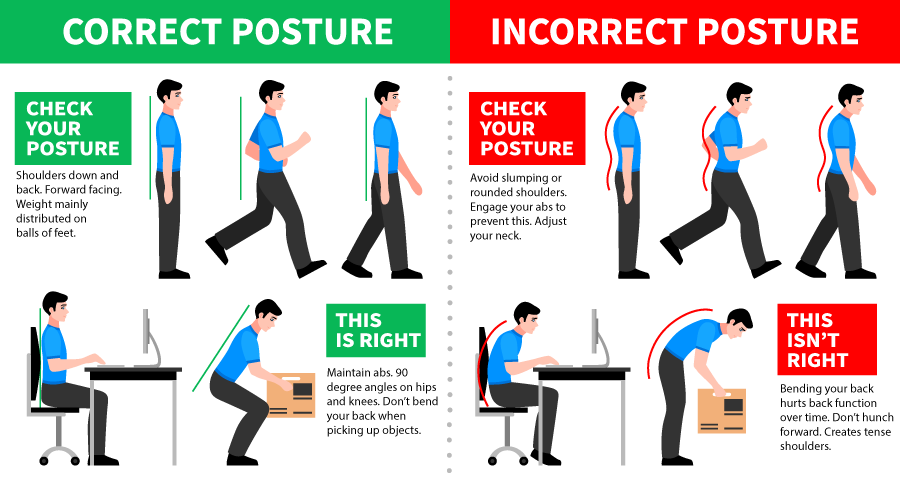
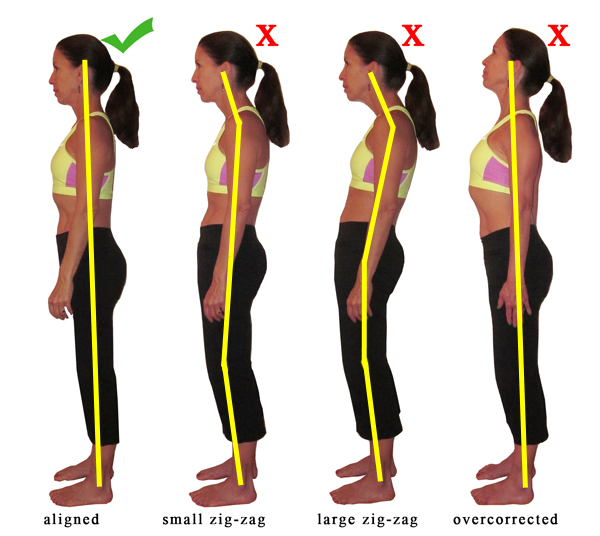
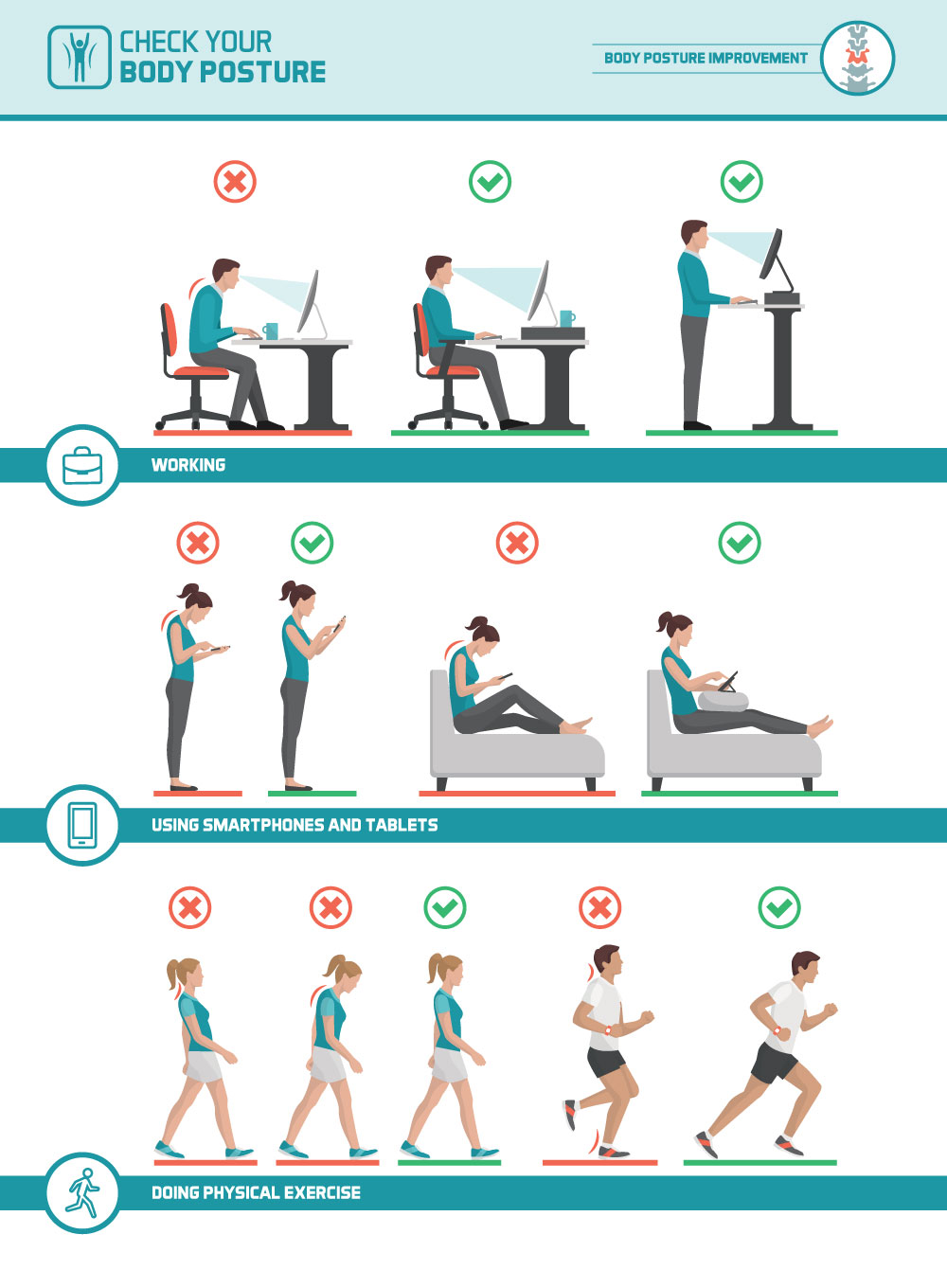
- Stand up straight with your shoulders back and head held high.
- Take regular breaks to stretch and move throughout the day.
- Use a supportive pillow or cushion to maintain good posture while sleeping.
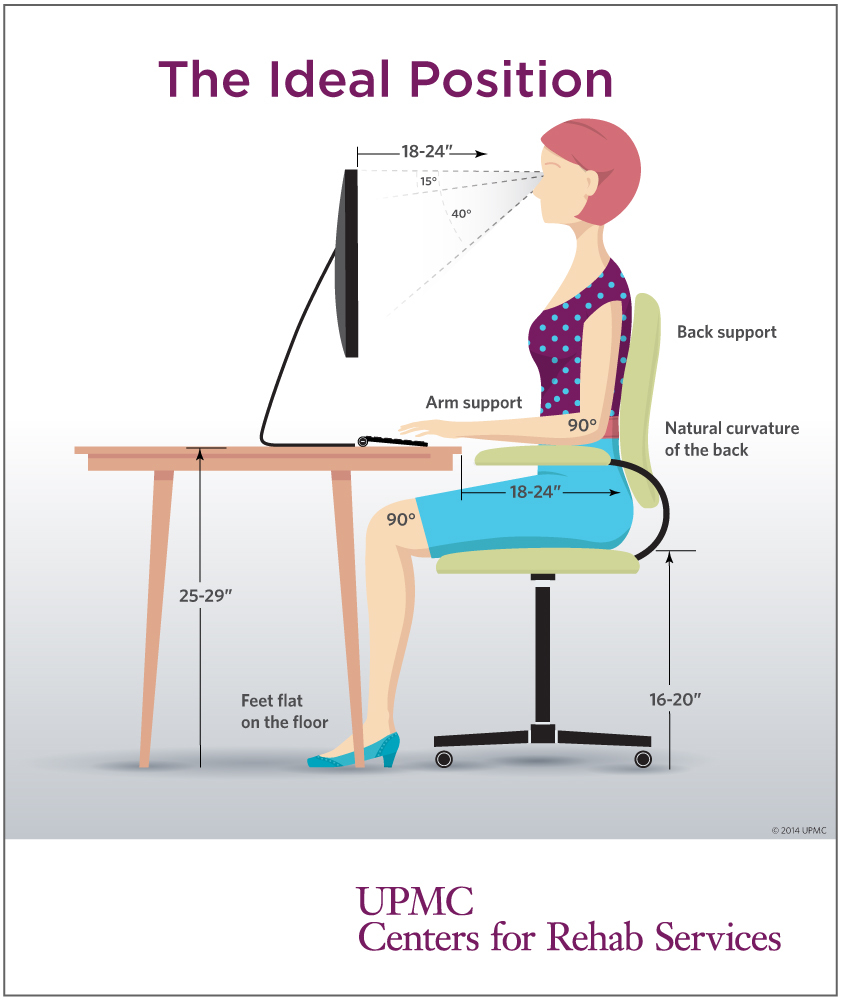
- Avoid crossing your legs or ankles while sitting.
- Take the stairs instead of the elevator to improve your posture and overall fitness.
Conclusion
Correcting your posture is a journey that requires patience, dedication, and practice. By incorporating the exercises and tips outlined in this article, you'll be well on your way to achieving good posture and a healthier, happier you. Remember, good posture is not just about physical appearance; it's about taking care of your overall well-being. So, take the first step today and start correcting your posture for a brighter, healthier future.