GLP-1 Agonists and Personalized Nutrition for Weight Loss:
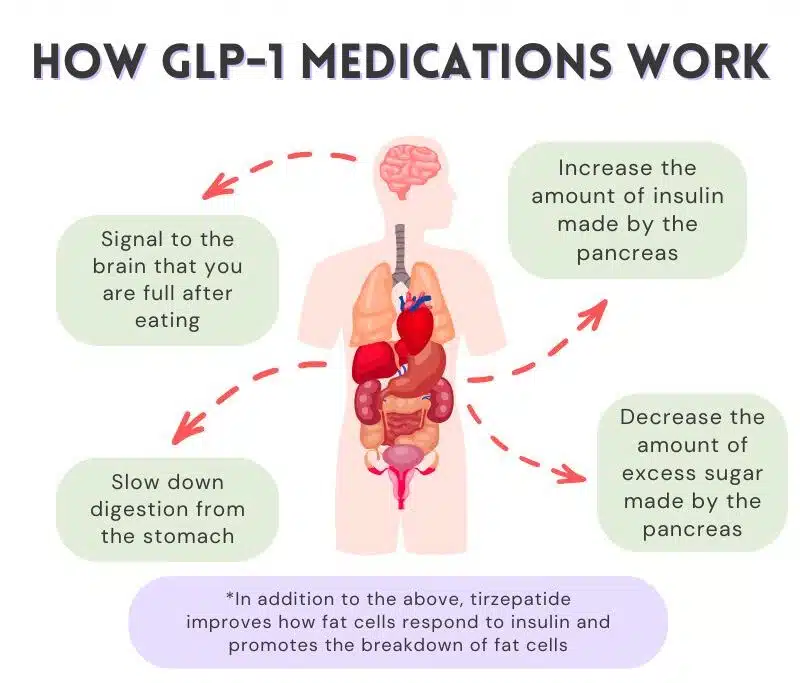
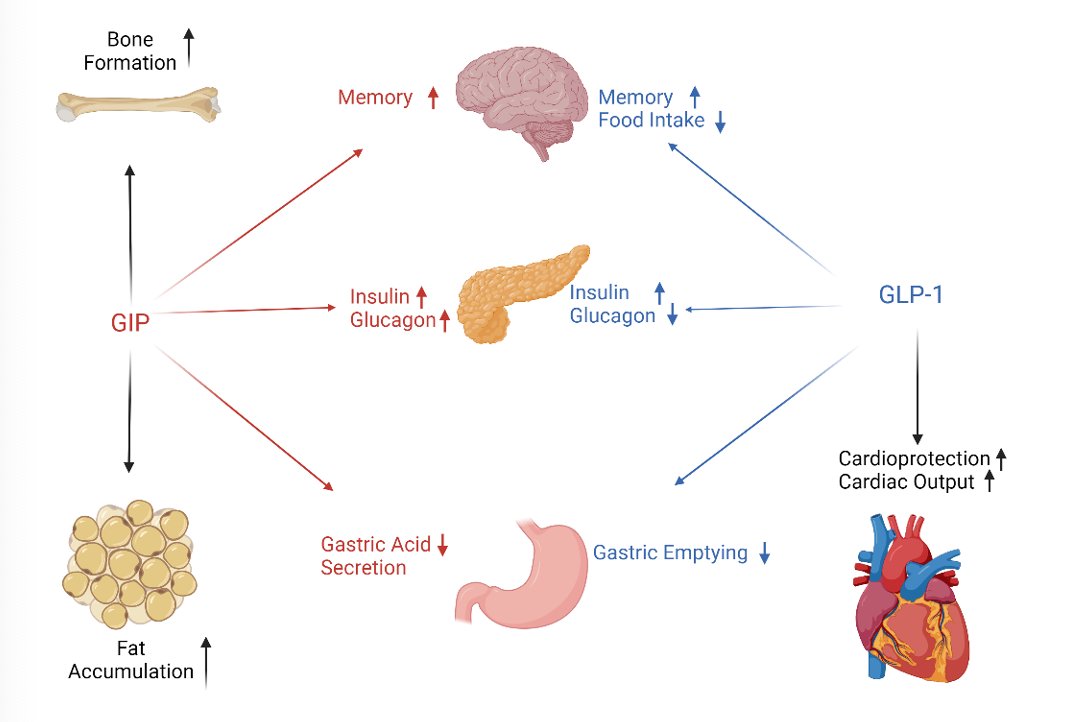
When it comes to managing obesity, glucagon-like peptide-1 receptor agonists (GLP-1s) have emerged as a game-changing treatment option. These medications work by mimicking the natural hormone GLP-1, which regulates blood sugar and promotes feelings of fullness and satiety.
The Science Behind GLP-1 Agonists:
GLP-1s have shown remarkable efficacy in clinical trials, with average placebo-adjusted weight reductions ranging from 5-18%. They also offer significant improvements in metabolic, functional, and cardiovascular outcomes. However, to maximize patient outcomes, comprehensive care that combines medication with personalized nutrition and lifestyle interventions is essential.
The ideal approach to weight loss with GLP-1s involves a multidisciplinary team of healthcare professionals, including registered dietitians, who can provide tailored nutrition guidance to support sustained weight loss. A systematic review of Randomized Controlled Trials (RCTs) examining the efficacy of GLP-1 receptor agonists in non-diabetic individuals with overweight or obesity highlights the importance of personalized nutrition in achieving optimal outcomes.
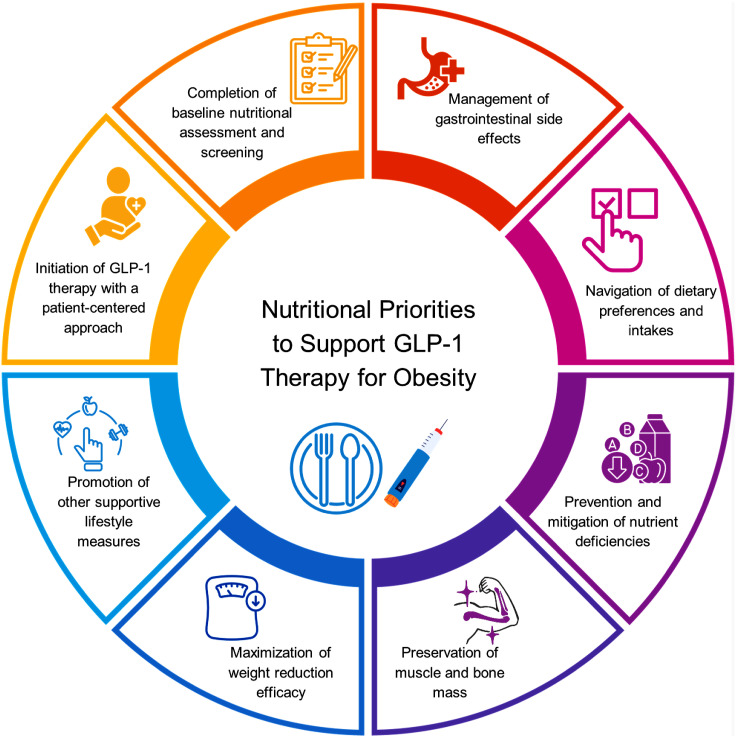
Key Nutritional Priorities for GLP-1 Therapy:
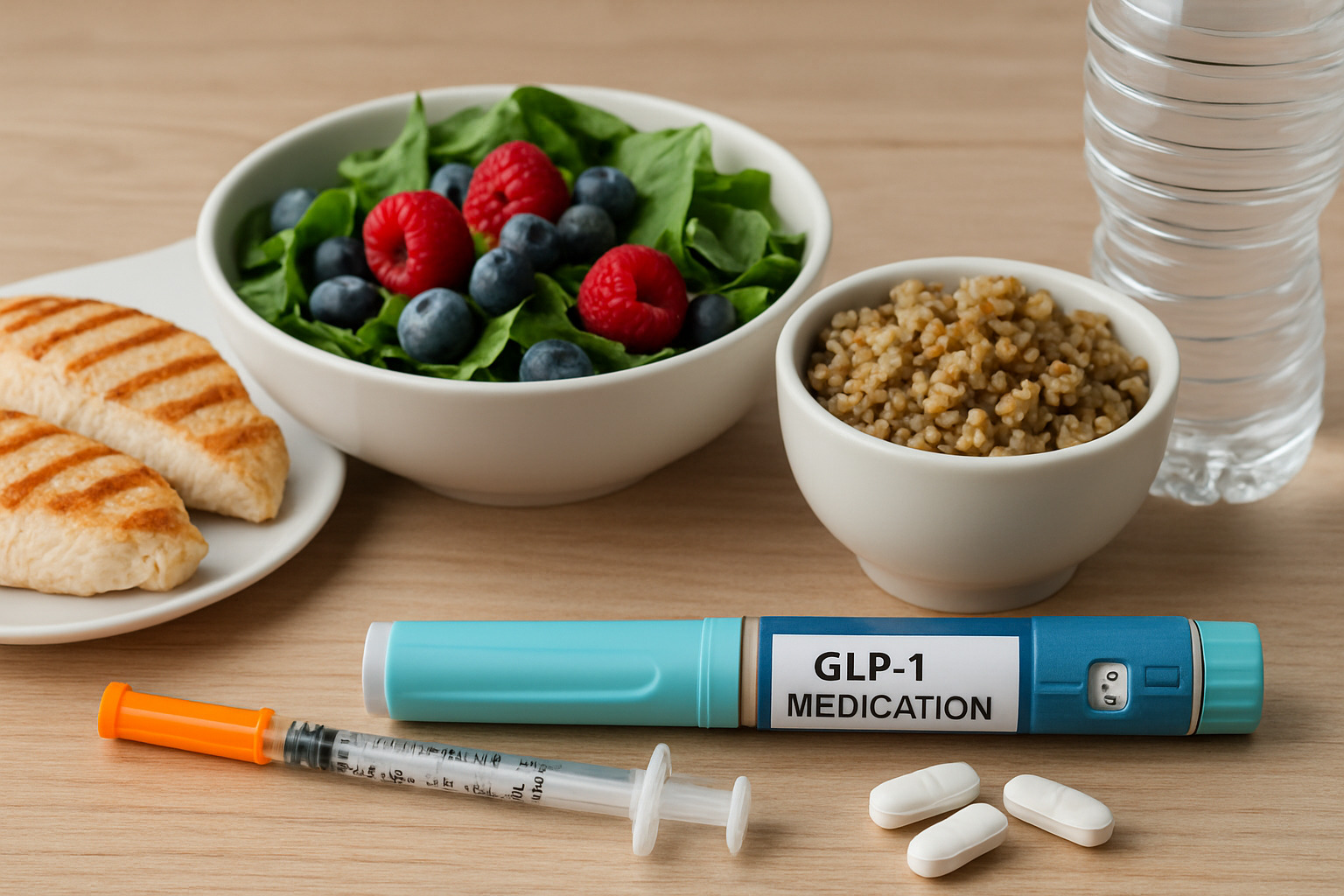
- High-protein intake to support muscle preservation and satiety
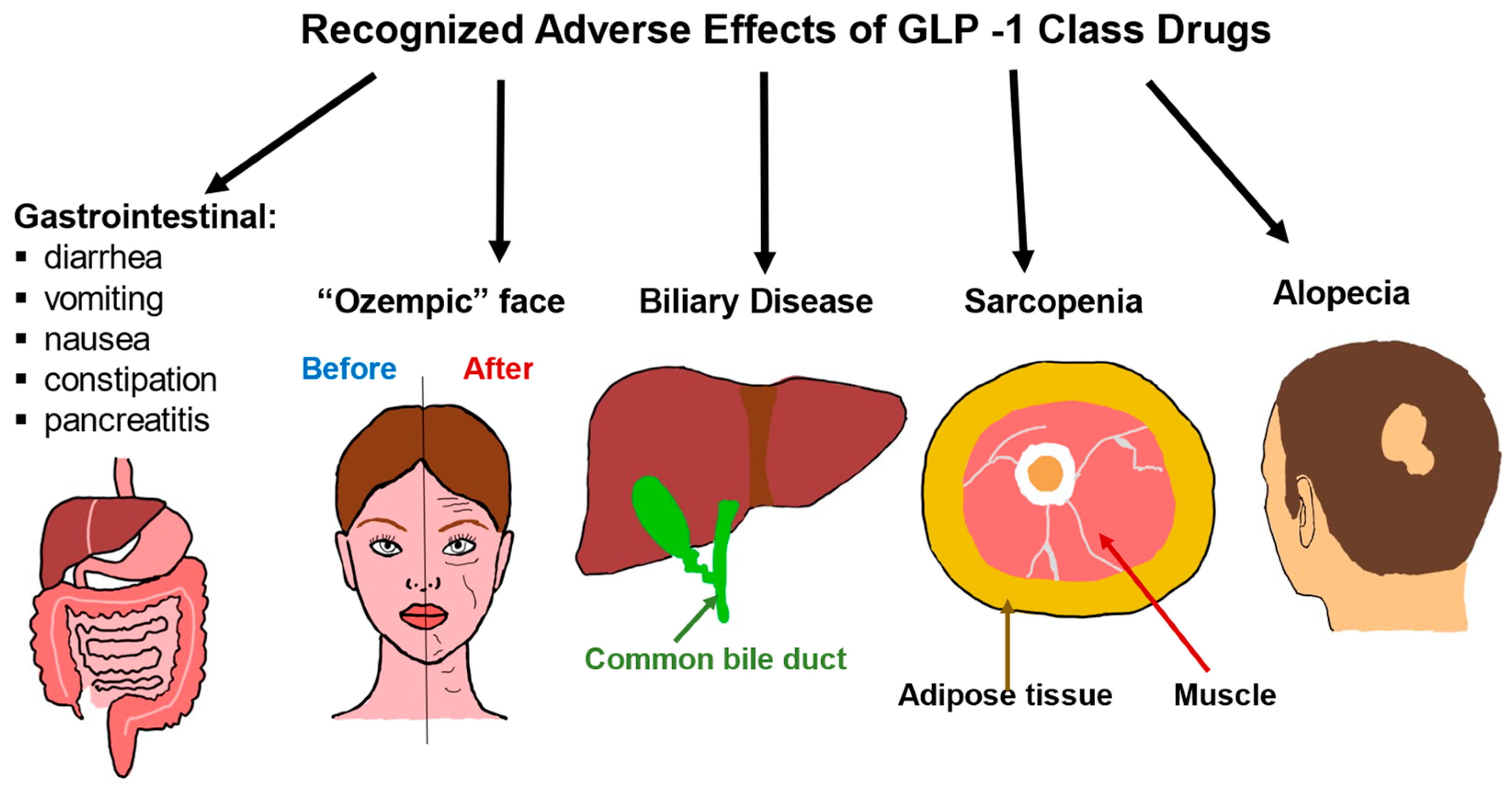
- Hydration and electrolyte balance to prevent side effects
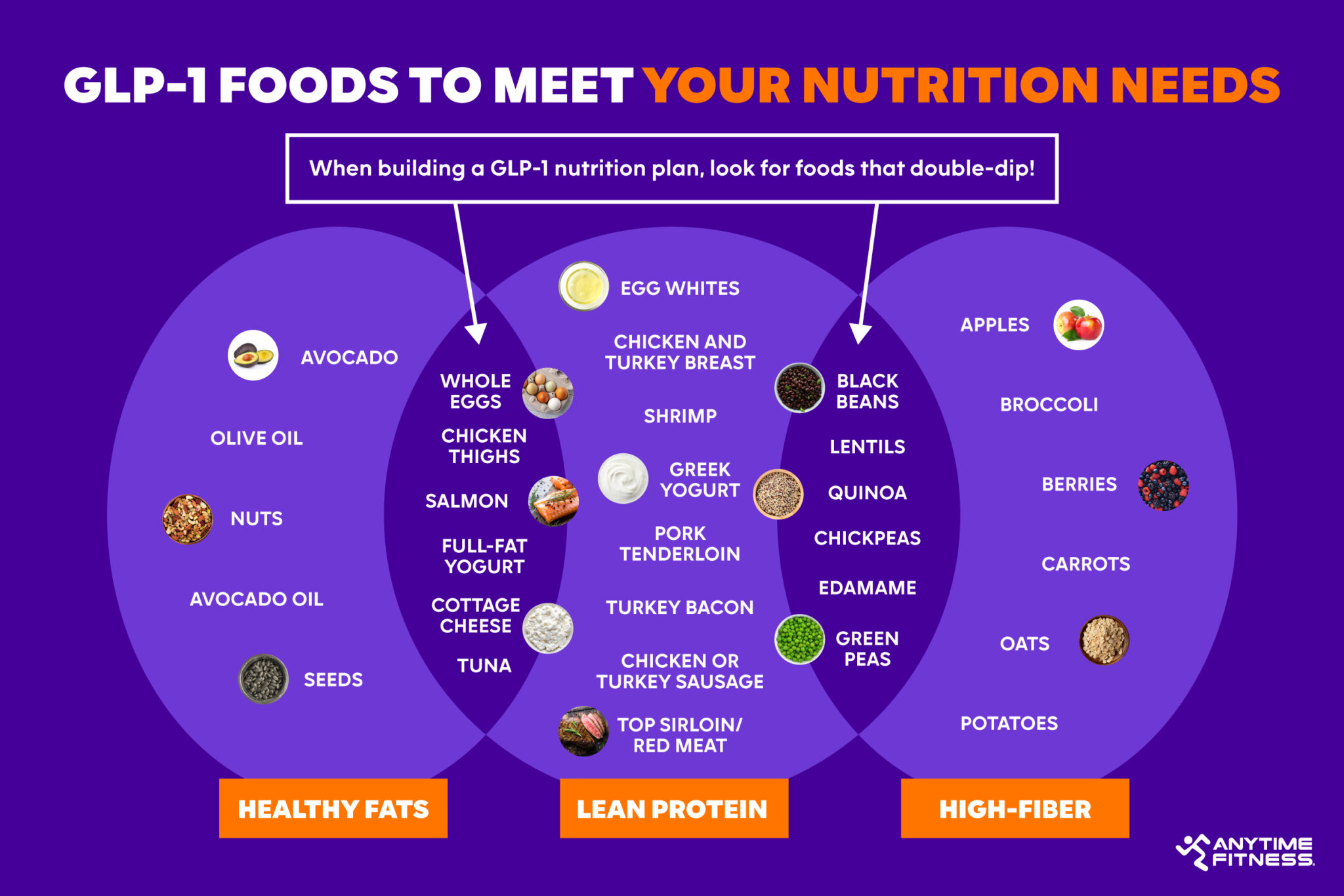
- Fiber-rich diet to promote satiety and support gut health
- Management of caloric intake to ensure adequate energy balance
- Individualized nutrition planning based on patient needs and health goals
Personalized Nutrition for GLP-1 Weight Loss:
Working with a registered dietitian can help patients on GLP-1 therapy optimize their treatment outcomes and overall health. A personalized nutrition plan will take into account the patient's unique needs and health goals, ensuring they receive the necessary support to achieve sustained weight loss and improved metabolic and cardiovascular health.
Maximizing GLP-1 Efficacy:
While GLP-1s have shown remarkable efficacy in clinical trials, the real-world application of these medications can be challenging. To achieve maximal outcomes, it is essential to provide comprehensive care that combines medication with personalized nutrition and lifestyle interventions. This will involve working closely with a healthcare team, including registered dietitians, to ensure patients receive tailored guidance and support throughout their weight loss journey.
Future Directions in GLP-1 Weight Loss Research:
Emerging research highlights the importance of gut microbiome health in weight loss, suggesting that certain gut microbes may influence patient response to GLP-1 therapy. Further investigation is needed to fully understand this relationship, but early findings suggest that combining GLP-1 therapy with personalized nutrition may be a powerful strategy for achieving sustained weight loss and improved metabolic health.
Conclusion:
GLP-1 agonists and personalized nutrition for weight loss offer a powerful synergy for achieving sustained weight loss and improved metabolic and cardiovascular health. By working closely with a healthcare team, including registered dietitians, patients on GLP-1 therapy can optimize their treatment outcomes and set themselves up for long-term success. As future research continues to uncover the intricacies of GLP-1 therapy, it will be essential to incorporate personalized nutrition and lifestyle interventions to maximize patient benefits.