Unlock the Power of GLP-1: How This Hormone Supports Your Immune System
When it comes to managing blood sugar and weight loss, glucagon-like peptide-1 receptor agonists (GLP-1RAs) have been the talk of the town. However, recent studies have shed light on the remarkable potential of GLP-1RAs in supporting our immune system. In this article, we'll delve into the fascinating world of GLP-1 and explore how it can boost our immune system, from reducing inflammation to improving cytokine signaling.
The Connection Between GLP-1 and the Immune System
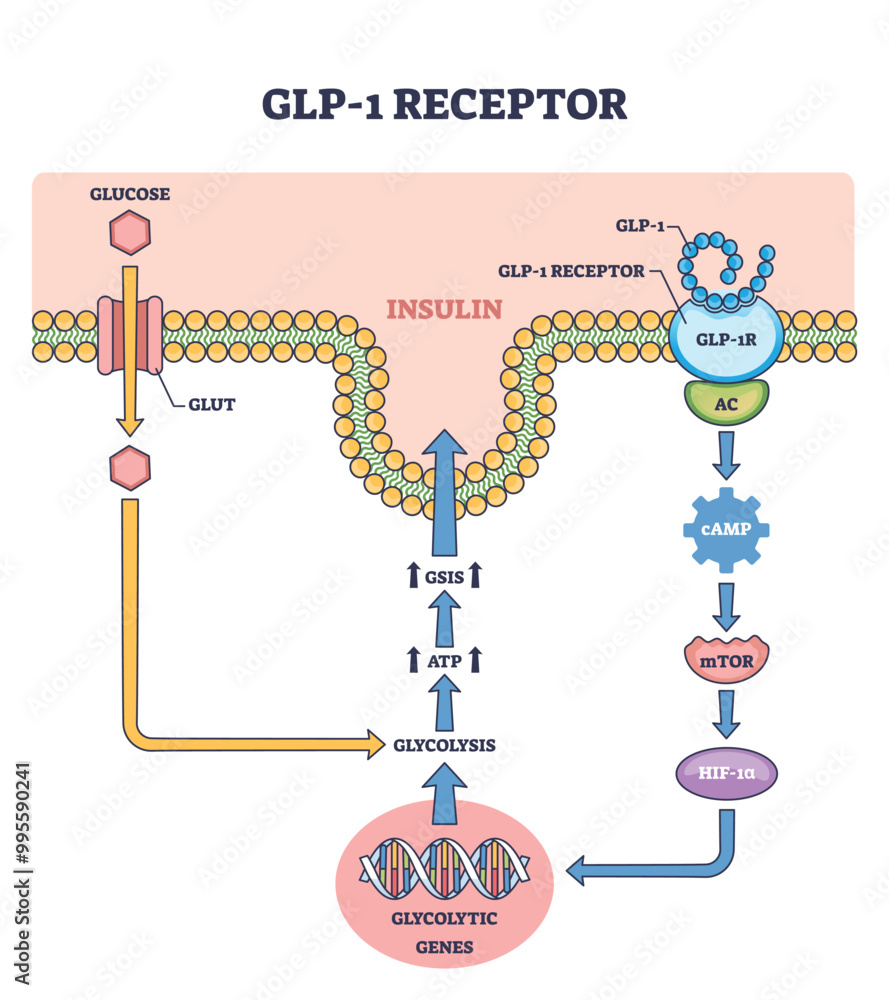
Glucagon-like peptide-1 (GLP-1) is a hormone that plays a crucial role in glucose metabolism, energy balance, and appetite regulation. Recent research has shown that GLP-1RAs can not only lower plasma glucose levels but also modulate the immune system. By activating the GLP-1 receptor, GLP-1RAs can influence the activity of various immune cells, such as T-cells, which play a central role in the body's immune response.
The Anti-Inflammatory Effects of GLP-1RAs
GLP-1RAs have been shown to reduce inflammation by lowering C-reactive protein (CRP) levels, improving cytokine signaling, and supporting metabolic health. This anti-inflammatory effect is particularly significant, as chronic inflammation is a hallmark of various diseases, including diabetes, cardiovascular disease, and certain types of cancer. By modulating the immune system, GLP-1RAs may offer surprising new opportunities in the treatment of these conditions.
The Therapeutic Potential of GLP-1RAs in Autoimmune Diseases
GLP-1RAs have been investigated for their potential therapeutic effects in autoimmune diseases, including psoriasis, inflammatory bowel diseases, rheumatoid arthritis, asthma, multiple sclerosis, Sjögren's syndrome, and systemic lupus erythematosus. While the results are promising, further research is needed to fully understand the mechanisms behind the immune-modulating effects of GLP-1RAs.
Modulating Immune Cells with GLP-1RAs
GLP-1RAs can influence the differentiation and function of T-cells, which are essential for the body's immune response. By modulating T-cell activity, GLP-1RAs may help to reduce inflammation and promote immune homeostasis. This is particularly relevant in the context of chronic diseases, where immune dysregulation can contribute to disease progression.

The Emerging Field of GLP-1 Research
The study of GLP-1 and its effects on the immune system is a rapidly evolving field. Researchers are investigating the mechanisms behind GLP-1 receptor signaling in various immune cells, seeking to uncover the detailed mechanisms and long-term effects on chronic inflammatory conditions. As our understanding of GLP-1's role in immune modulation grows, so does its potential as a therapeutic agent.
The Future of GLP-1 and Immune System Support
The intersection of GLP-1 and immune system support offers a promising new frontier in the treatment of chronic diseases. By harnessing the anti-inflammatory effects of GLP-1RAs, we may be able to develop novel therapeutic strategies for a range of conditions, from diabetes and cardiovascular disease to autoimmune disorders. As research continues to uncover the intricacies of GLP-1's immune-modulating effects, we can expect to see a range of innovative treatments emerge in the years to come.
Conclusion
In conclusion, the connection between GLP-1 and the immune system is a complex and multifaceted one. By understanding the anti-inflammatory effects of GLP-1RAs and their potential therapeutic applications, we may be able to unlock new avenues for the treatment of chronic diseases. As research continues to shed light on the intricacies of GLP-1's immune-modulating effects, we can expect to see a range of innovative treatments emerge in the years to come.
References
- GLP-1RAs reduce inflammation by lowering CRP, improving cytokine signaling, and supporting metabolic health.
- GLP-1RAs have been shown to modulate the activity of various immune cells, including T-cells.
- GLP-1RAs have been investigated for their potential therapeutic effects in autoimmune diseases, including psoriasis, inflammatory bowel diseases, rheumatoid arthritis, and others.
- The study of GLP-1 and its effects on the immune system is a rapidly evolving field.