Eating Habits and GLP-1 Levels: The Ultimate Connection for Weight Loss and Blood Sugar Balance
Whether you're exploring the possibility of taking GLP-1 medications or simply looking for ways to boost your body's natural weight loss processes, understanding the relationship between eating habits and GLP-1 levels is crucial. GLP-1, or glucagon-like peptide-1, is a hormone that plays a vital role in regulating blood sugar levels and appetite. In this article, we'll delve into the connection between eating habits and GLP-1 levels, exploring the benefits of adapting a healthy diet and lifestyle for sustained weight loss and improved overall health.
What is GLP-1 and How Does it Affect Weight Loss?
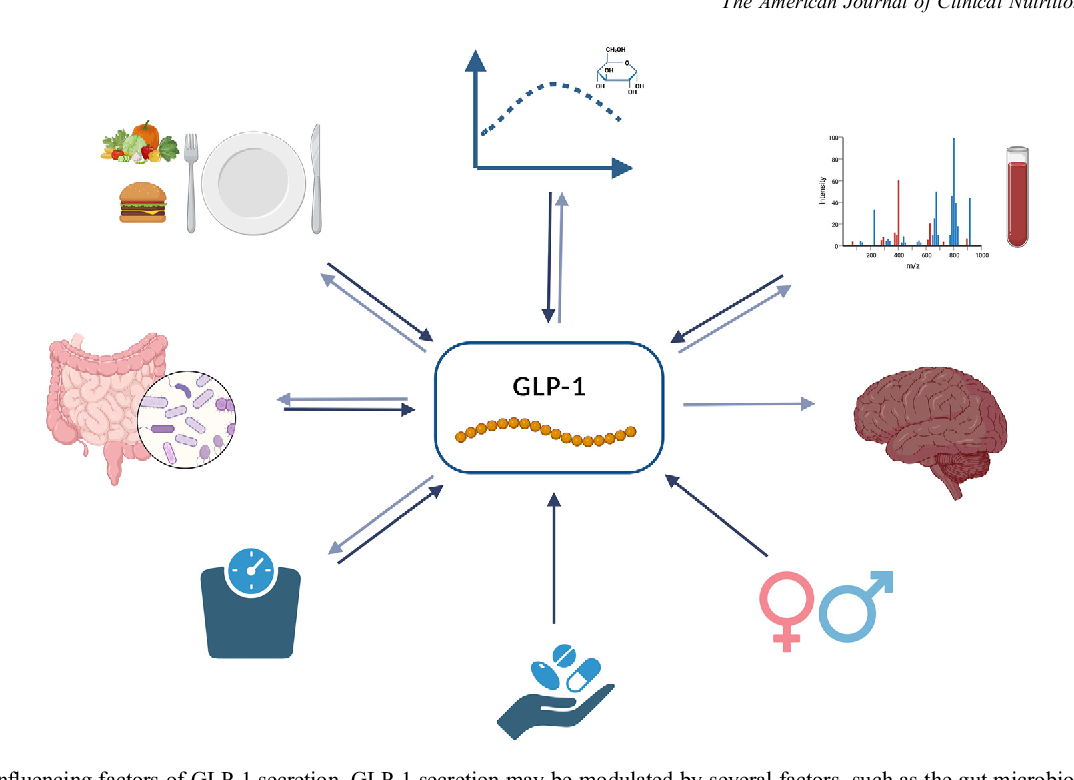
GLP-1 is a naturally occurring hormone that's produced in the gut after eating. It helps to coordinate appetite signals in the brain, as well as the pace at which food leaves the stomach. When GLP-1 levels are stable, your body is better equipped to maintain healthy blood sugar levels, reducing the risk of developing conditions like insulin resistance and type 2 diabetes.
- Regulates blood sugar levels by stimulating insulin secretion
- Suppresses glucagon release, slowing down digestion
- Helps to reduce hunger and increase feelings of fullness
Key Lifestyle Habits for Optimal GLP-1 Levels
Fortunately, adopting certain lifestyle habits can naturally boost your GLP-1 levels, supporting weight loss and overall well-being. Here are some essential tips to get you started:
- Eat smaller, more frequent meals to maintain stable GLP-1 levels
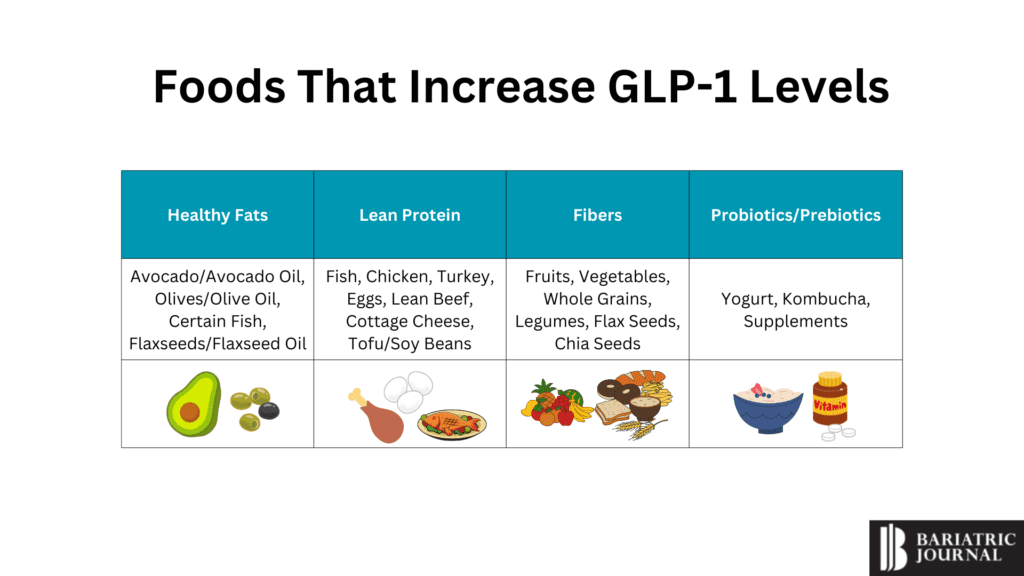
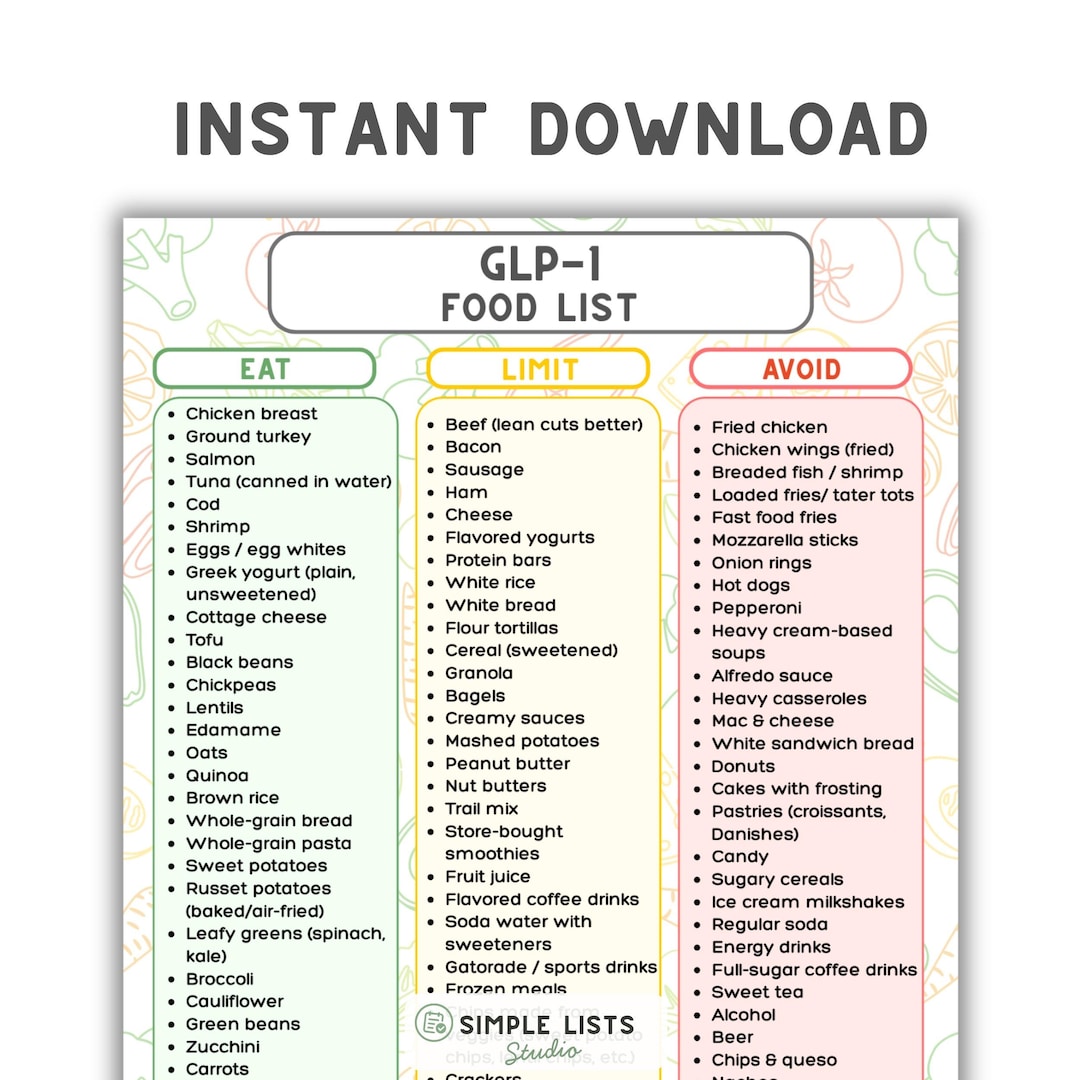
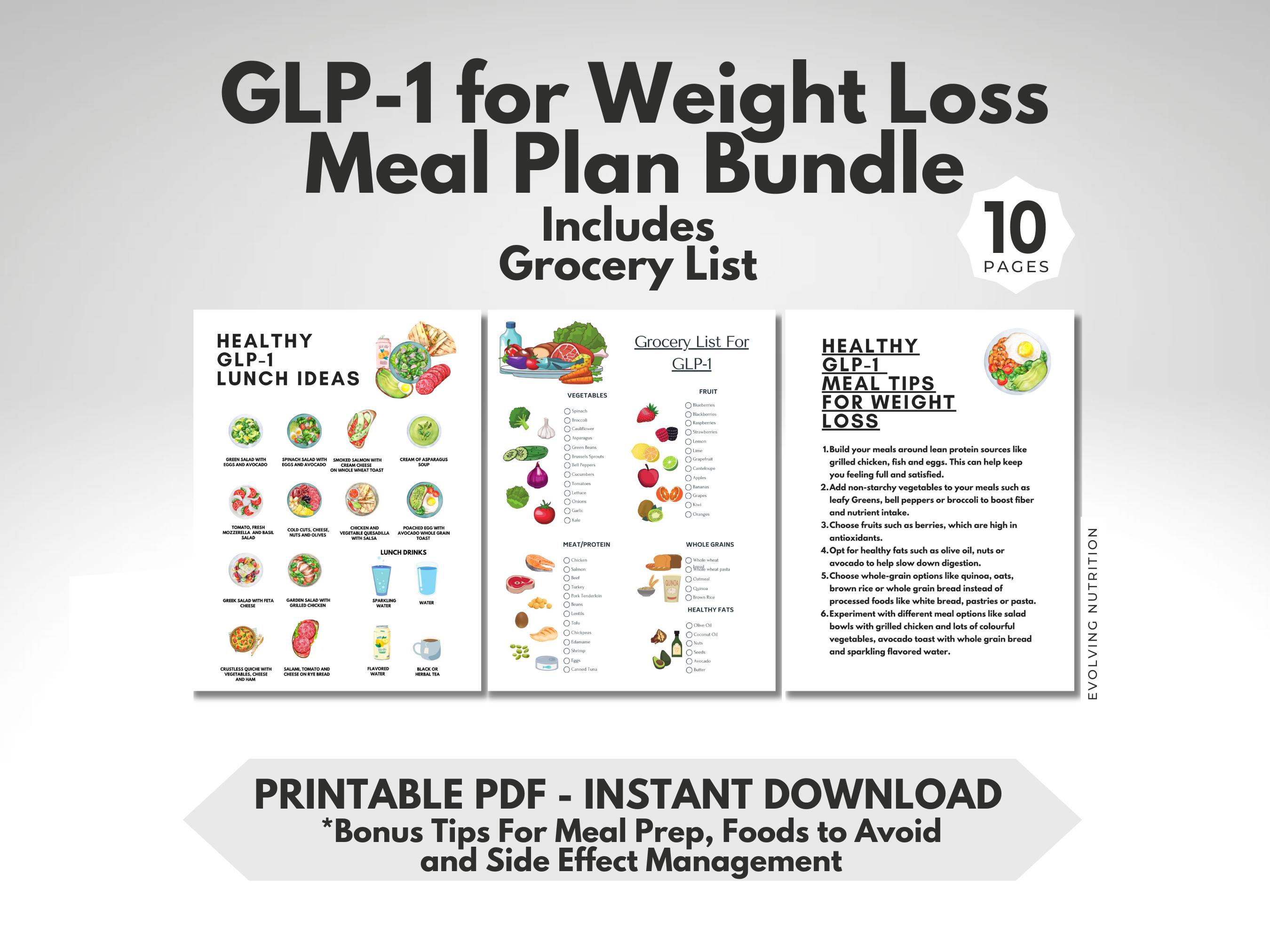
- Prioritize protein-rich foods, such as lean meats and fish, to stimulate GLP-1 production
- Choose whole, fiber-rich foods like fruits, vegetables, and whole grains to slow down digestion and increase feelings of fullness
- Stay hydrated by drinking plenty of water throughout the day
- Get regular exercise, such as walking or other low-impact activities, to help improve insulin sensitivity
Common GLP-1 Side Effects and How to Minimize Them with Eating Habits
While GLP-1 medications can be highly effective, they can also cause side effects like nausea and constipation. By incorporating healthy eating habits and lifestyle changes, you can mitigate these effects and support your overall weight loss journey.
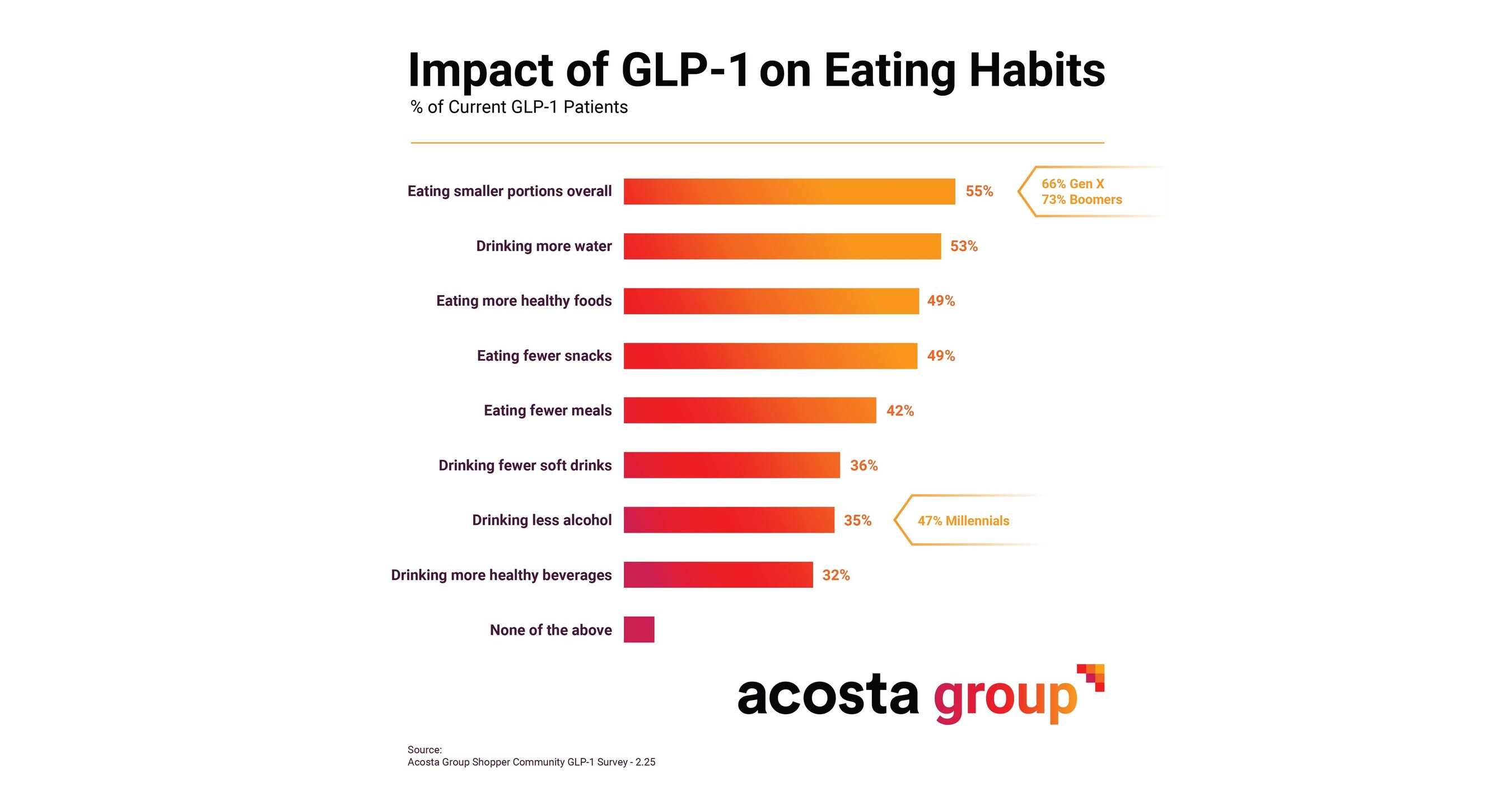
- Avoid greasy meals, sugary drinks, and processed foods that can exacerbate nausea and digestive discomfort
- Eat smaller, more balanced meals to reduce the risk of nausea and bloating
- Incorporate physical activity, such as yoga or walking, to help manage constipation
- Stay hydrated by drinking plenty of water throughout the day
Understanding Food Noise and How GLP-1 Can Help
One of the most surprising effects of GLP-1 medications is the reduction of "food noise" – the constant mental pull towards eating. By taxing your body's natural GLP-1 production, you can become more mindful of your eating habits and develop a healthier relationship with food.
- Avoid frequent meals and snacks that can trigger food noise
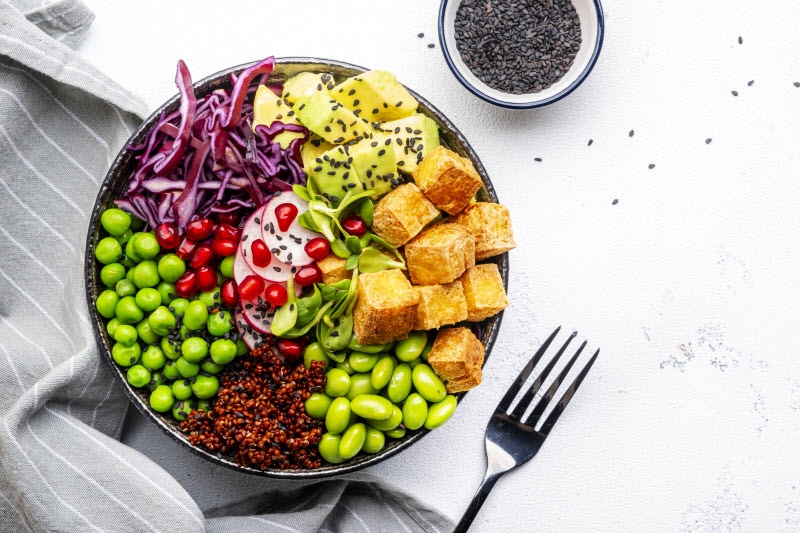
- Focus on whole, nutrient-dense foods that can provide long-lasting feelings of fullness
- Practice mindful eating by paying attention to hunger and fullness cues
Integrating GLP-1 Drinks into Your Daily Routine
With the increasing adoption of GLP-1 medications, incorporating these supplements into your daily routine can be a convenient and effective way to support your weight loss journey. Look for drinks that contain GLP-1-boosting ingredients, such as protein and fiber-rich nutrients.
Conclusion: Finding Balance with Eating Habits and GLP-1 Levels
By understanding the connection between eating habits and GLP-1 levels, you can unlock a more balanced approach to weight loss and overall health. Whether you're exploring the possibility of taking GLP-1 medications or simply looking for ways to boost your body's natural weight loss processes, incorporating healthy eating habits and lifestyle changes can make all the difference. Remember to prioritize protein-rich foods, whole grains, and fiber-rich foods, and to stay hydrated by drinking plenty of water throughout the day. With patience, persistence, and the right approach to eating habits, you can achieve a more sustainable and balanced relationship with food – and enjoy the benefits of optimal GLP-1 levels.