GLP-1 and Keto for Metabolic Syndrome Treatment: A Comprehensive Guide
A Game-Changing Approach to Metabolic Health
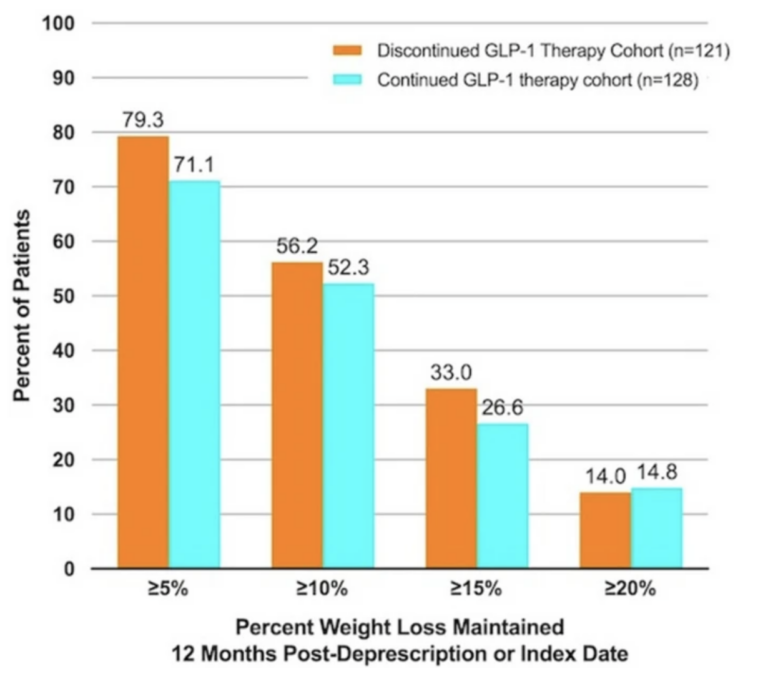
Treating obesity requires not only achieving weight loss but sustaining it over time. The traditional approach to weight loss often focuses on caloric restriction, but this method can lead to adaptive thermogenesis and neuroendocrine changes that facilitate weight regain once therapy is discontinued. However, research has shown that incorporating lifestyle interventions, particularly low-carbohydrate and ketogenic diets, can improve metabolic health, reduce appetite, and help patients either avoid or discontinue medication.The Rise of GLP-1 Medications
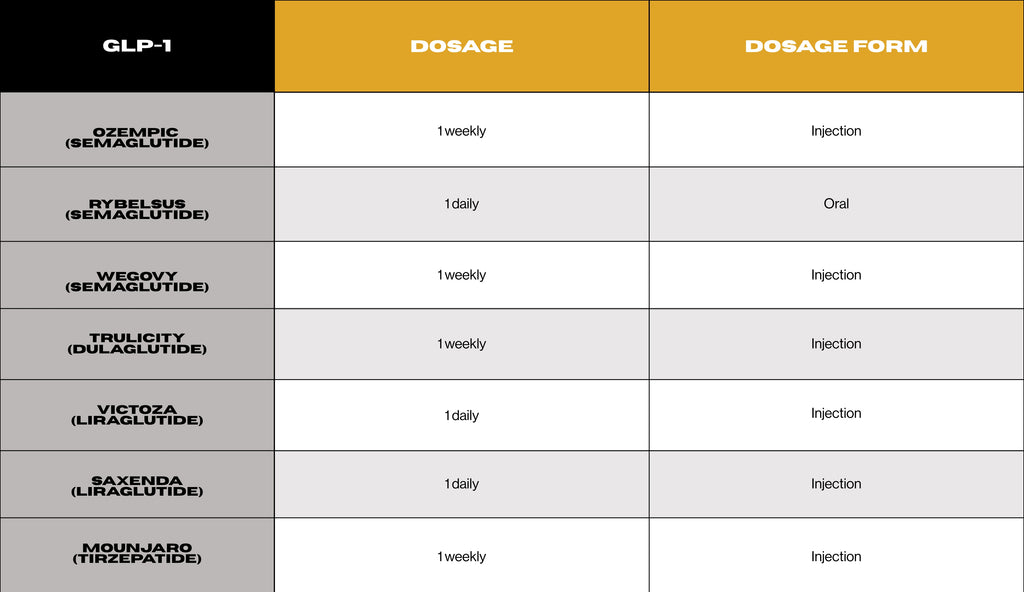
GLP-1 receptor agonists and dual GLP-1/GIP co-agonists have revolutionized the treatment of obesity and metabolic syndrome. These medications can produce substantial weight loss, but their efficacy can be compromised by caloric restriction and weight loss-induced changes. In recent years, there has been a growing emphasis on combining GLP-1 medications with lifestyle interventions, including ketogenic diets.The Benefits of Combining GLP-1 with Keto
A study published in February 2024 suggests that a ketogenic diet may help people maintain their weight loss after transitioning off GLP-1 medications. The combination of GLP-1 and keto may offer several benefits, including: * Improved metabolic health * Reduced appetite * Preserved lean mass * Enhanced weight loss * Better glycemic controlUnderstanding the Science Behind GLP-1 and Keto
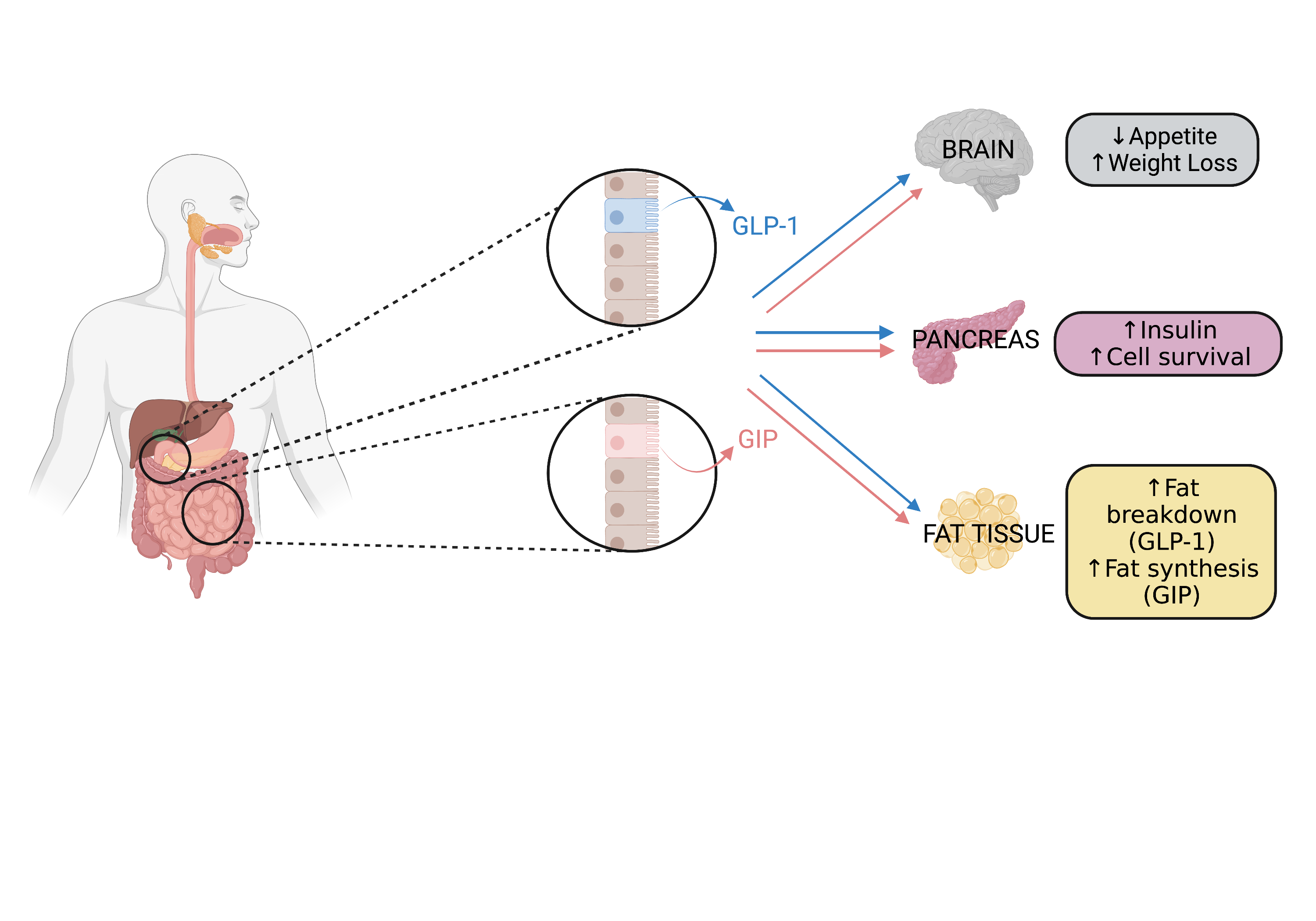
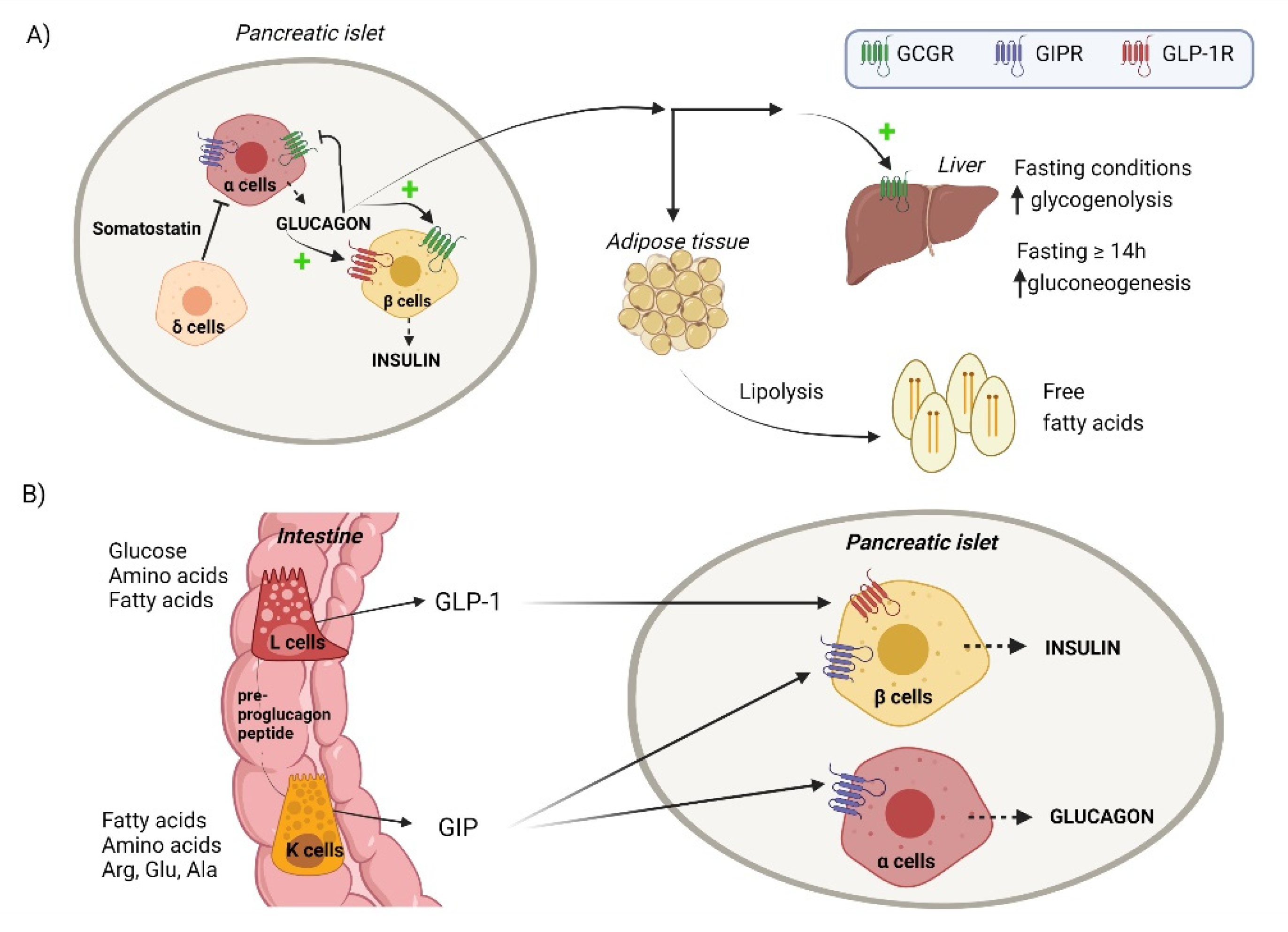
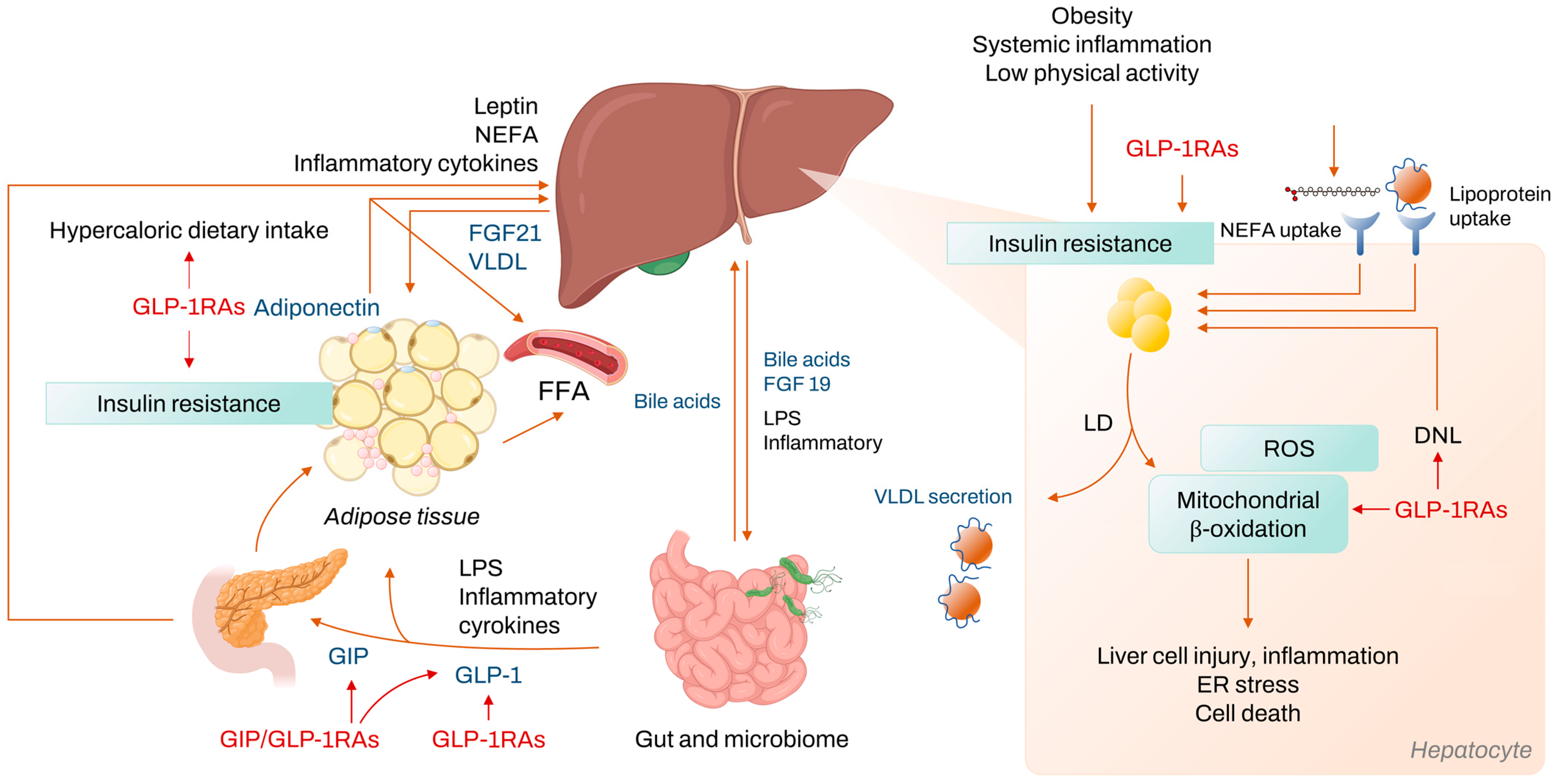
GLP-1 is an incretin hormone naturally released by the gut in response to food intake. It signals the pancreas to release insulin, inhibits glucagon secretion, and sends satiety signals to the brain while slowing gastric motility. When combined with a ketogenic diet, GLP-1 medications may amplify the therapeutic effects of the diet, leading to improved metabolic health and weight loss.Navigating the Journey of Weight Loss with GLP-1 and Keto