GLP-1 Diet for PCOS: Unlocking the Power of Weight Loss and Hormonal Balance
The Connection Between GLP-1 and PCOS
If you're living with Polycystic Ovary Syndrome (PCOS), you're likely no stranger to the challenges of weight loss and hormonal balance. PCOS is a complex condition that affects millions of women worldwide, and it's often accompanied by insulin resistance, metabolic syndrome, and other health issues. However, there's new hope on the horizon – a diet that incorporates GLP-1 (Glucagon-Like Peptide-1) agonists has shown remarkable promise in helping women with PCOS achieve weight loss and hormonal balance.What is GLP-1 and How Does it Work?
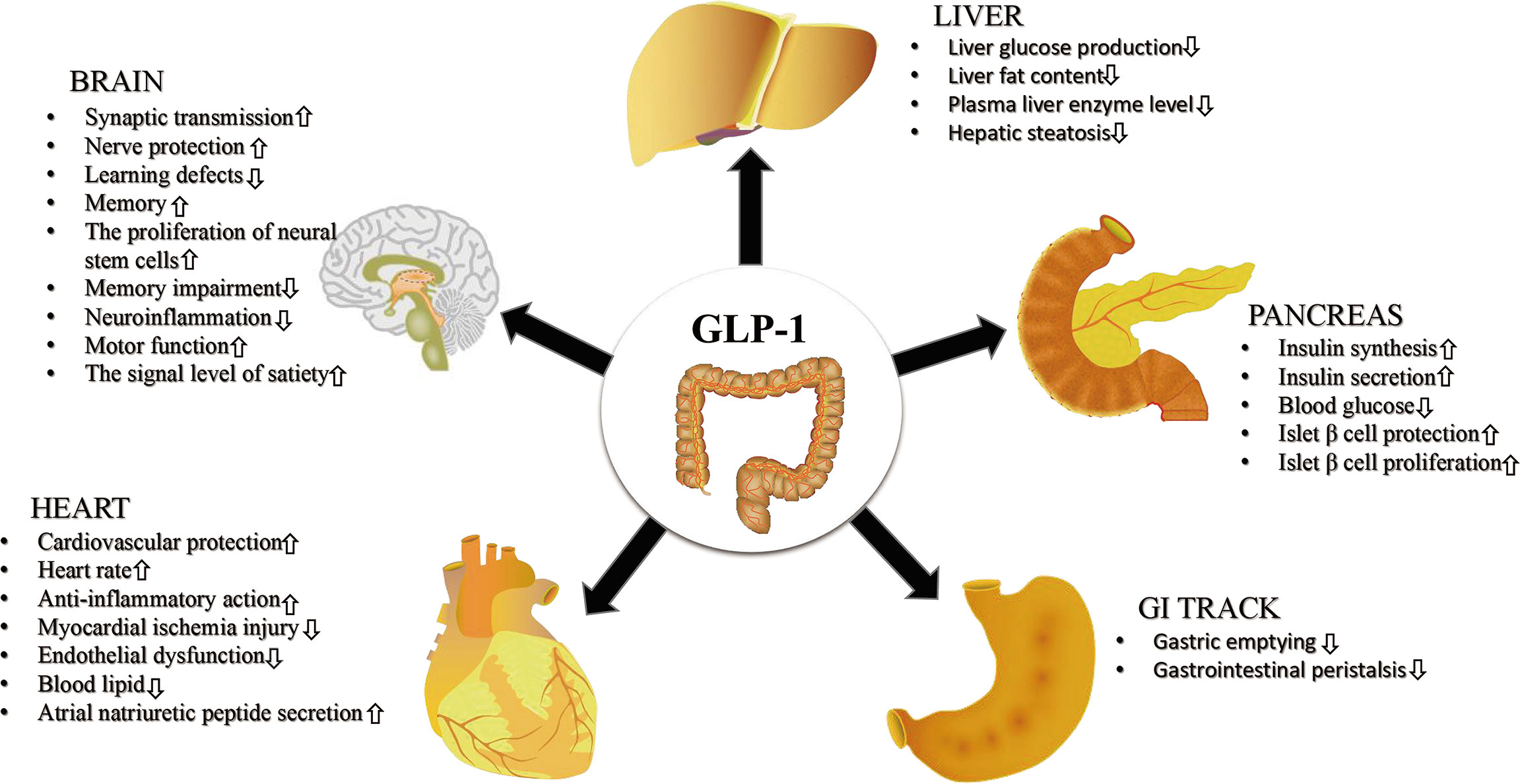
GLP-1 is a hormone produced in the gut that plays a crucial role in regulating appetite, insulin sensitivity, and glucose metabolism. It's a natural appetite suppressant that helps slow down gastric emptying, reducing the feeling of hunger and fullness. When taken as a medication, GLP-1 agonists, such as semaglutide and liraglutide, mimic the effects of natural GLP-1, promoting weight loss and improved metabolic health.The Benefits of GLP-1 for PCOS
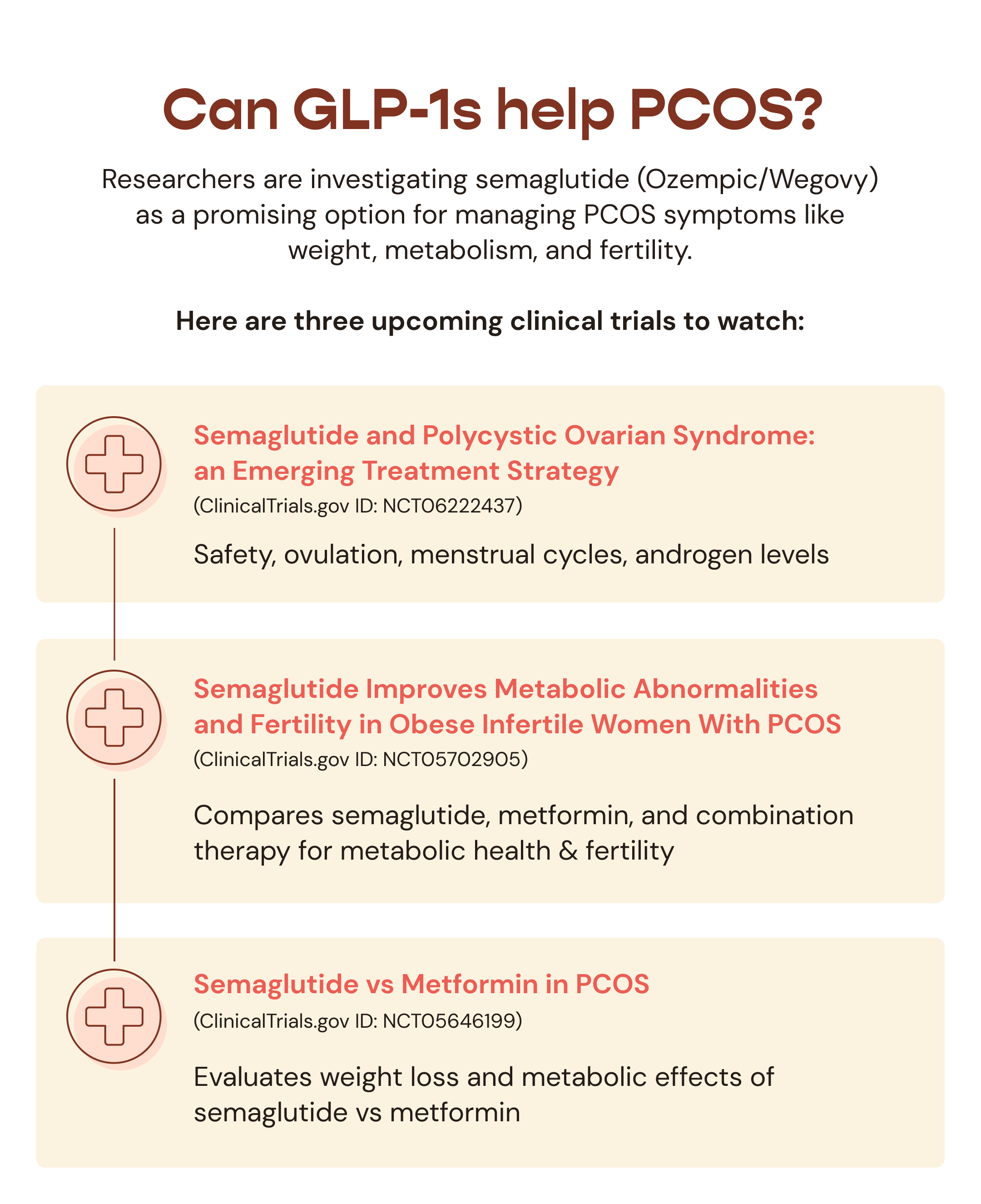
Studies have shown that GLP-1 agonists can be an effective treatment for women with PCOS, particularly those who struggle with weight loss and insulin resistance. GLP-1 has been shown to: •- Improve insulin sensitivity and glucose metabolism
- Reduce androgen levels and improve menstrual regularity
- Enhance weight loss, particularly in women with obesity
- Decrease the risk of developing type 2 diabetes and metabolic syndrome
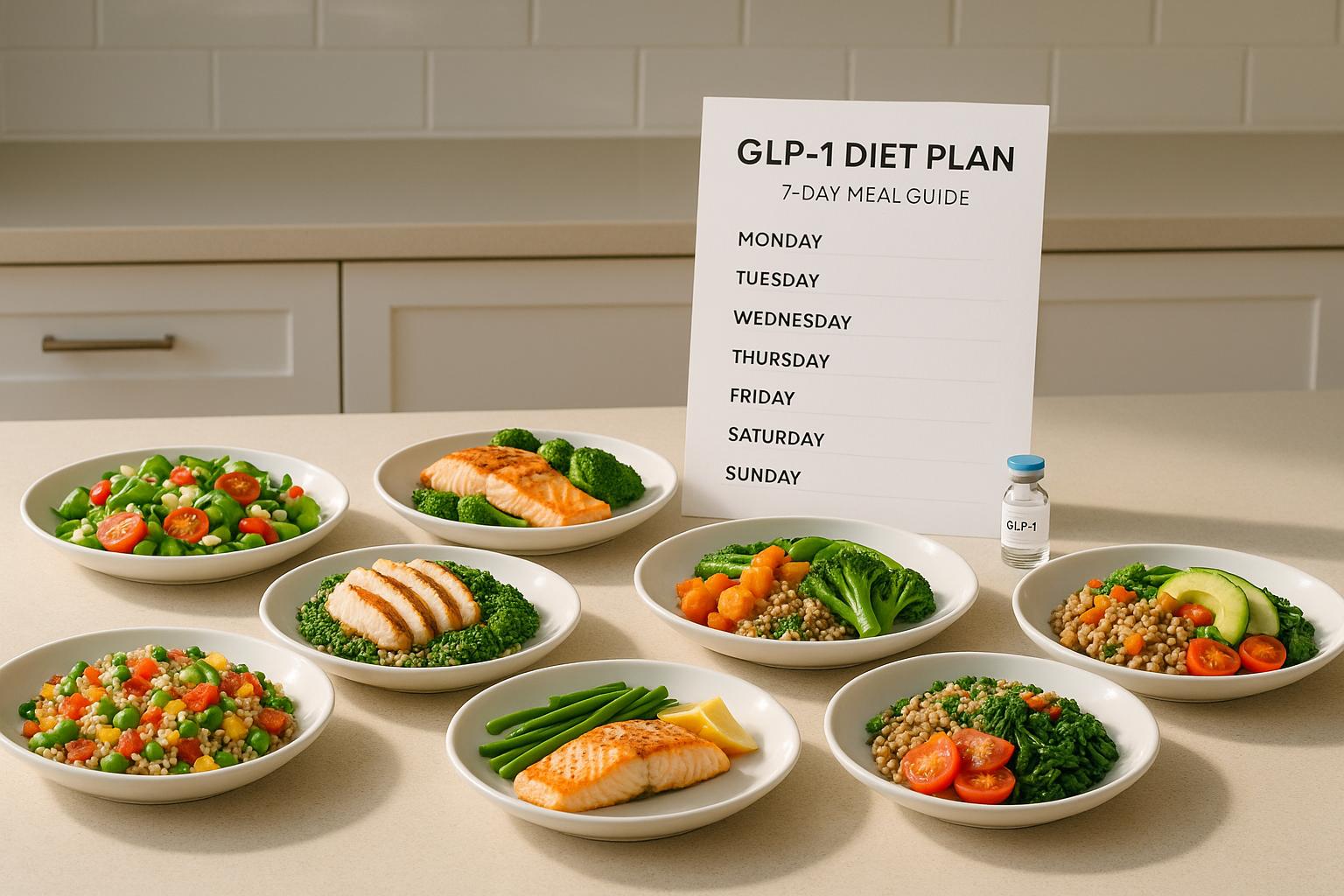
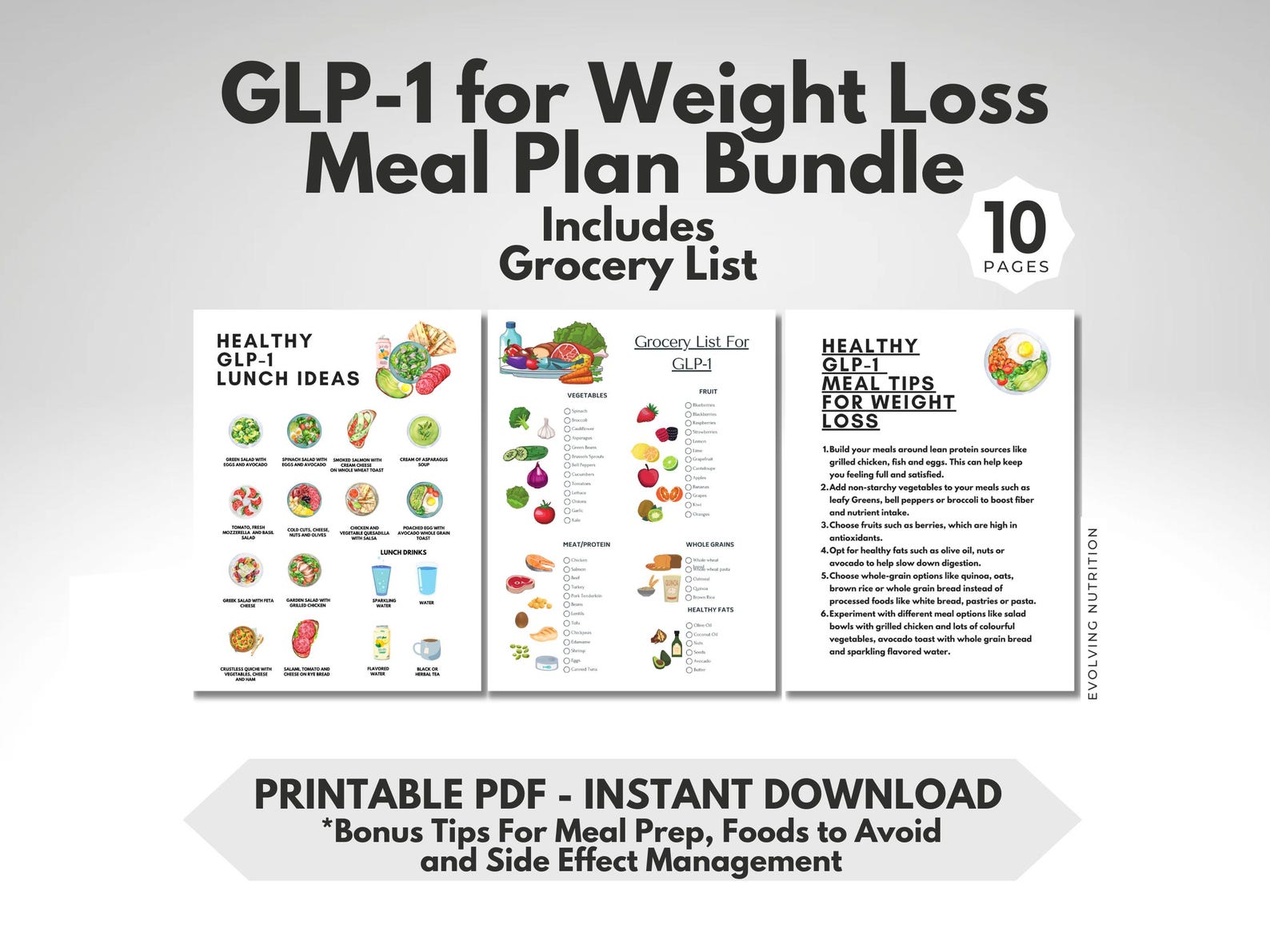
The GLP-1 Diet for PCOS: A Comprehensive Approach
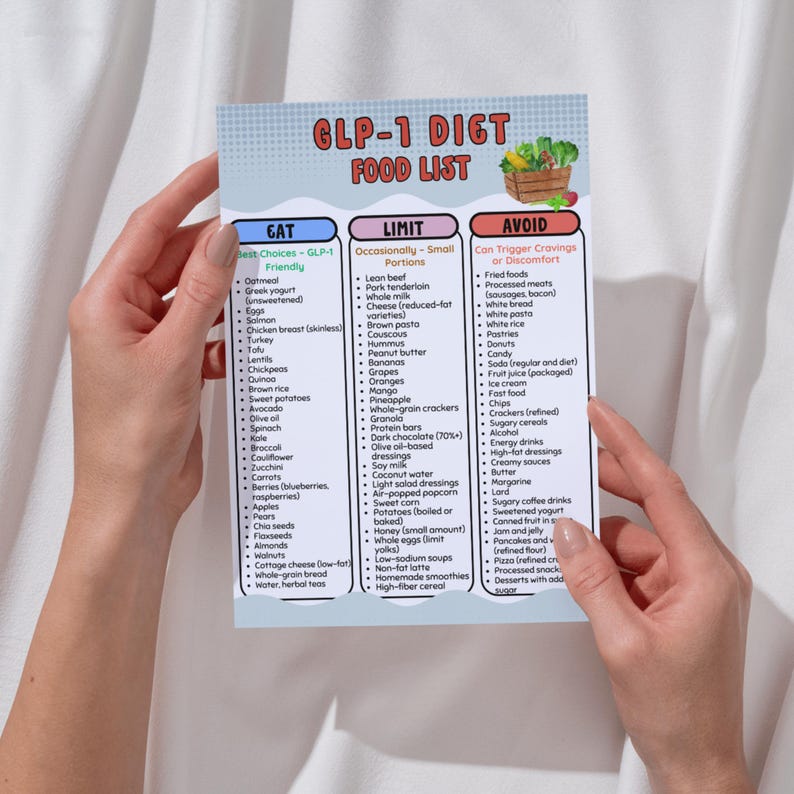
- **High-Protein Intake**: Aim for 90-120g of protein per day to support weight loss and muscle mass.
- **Smart Carb Swaps**: Focus on whole, unprocessed foods like vegetables, fruits, and whole grains.
- **Anti-Inflammatory Foods**: Incorporate foods rich in omega-3 fatty acids, antioxidants, and fiber to reduce inflammation and promote hormone balance.
- **Strength Training**: Regular exercise, particularly strength training, can help improve insulin sensitivity and body composition.
- **Adequate Sleep**: Aim for 7-9 hours of sleep per night to support hormone regulation and weight loss.
Supplements to Support the GLP-1 Diet
In addition to medication, diet, and lifestyle changes, certain supplements can help support the GLP-1 diet for PCOS. Some of the most effective supplements include: •- **Probiotics**: Support gut health and GLP-1 production.
- **Omega-3 Fatty Acids**: Reduce inflammation and promote hormone balance.
- **Magnesium**: Support insulin sensitivity and glucose metabolism.
- **Vitamin D**: Essential for hormone regulation and bone health.





+on+Your+Journey.jpg "80lbs down! What I did? Comment")