Hormonal Imbalance and Stress Eating: A Complex Relationship
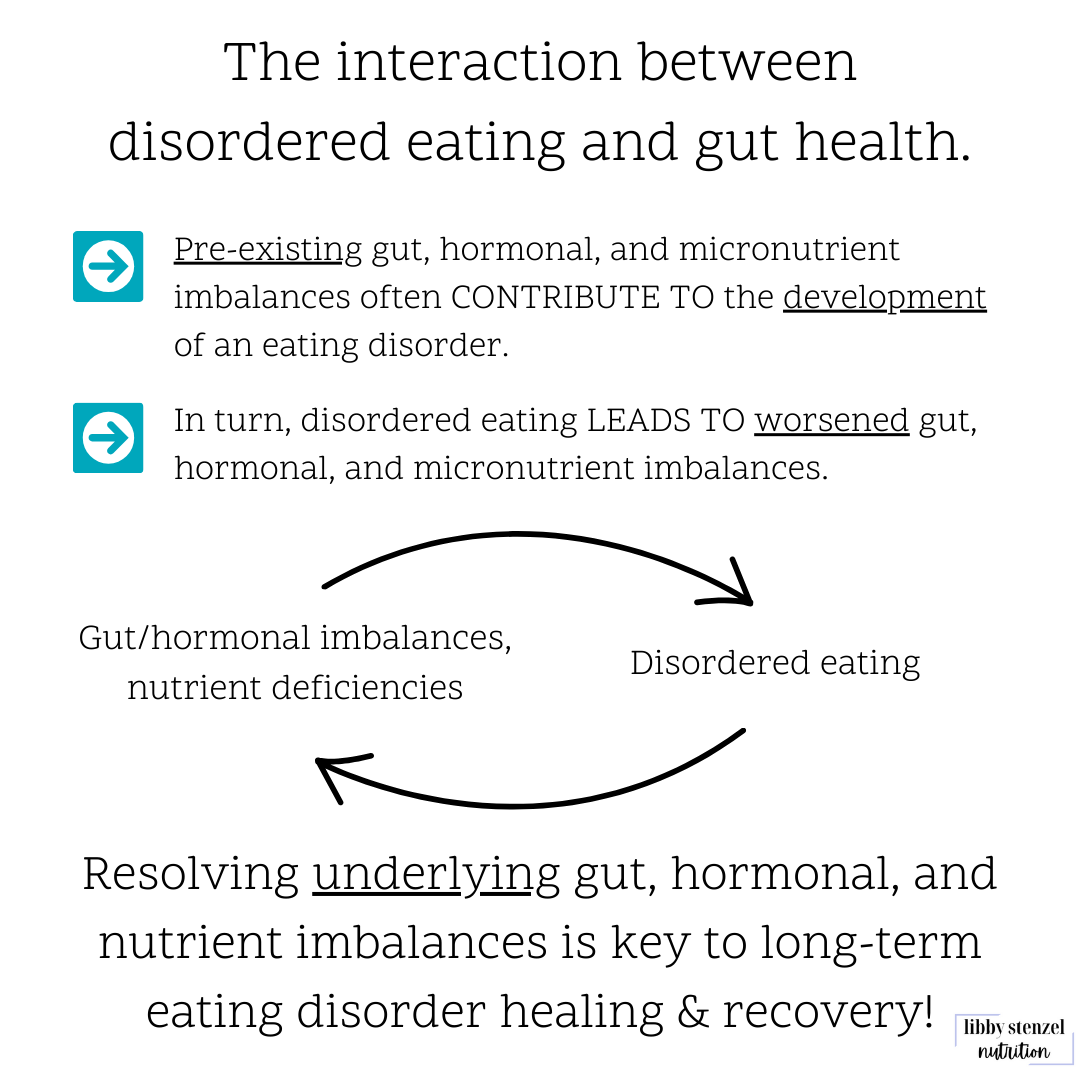
Hormonal imbalances can trigger emotional eating, leading to cravings, overeating, and stress eating. Let's explore how hormonal fluctuations affect our appetite, mood, and relationship with food, and discuss practical strategies to manage emotions, balance hormones naturally, and develop a healthier relationship with food.
The Impact of Stress on Eating Behaviors
Stress has long been known to affect eating behaviors in humans. Stress-induced hyperphagia is considered a potential cause for the development of obesity. Given the high prevalence of obesity and its association with other cardiovascular and metabolic disorders, the subject of stress-induced eating has become even more important.
How Does Stress Affect Our Appetite?
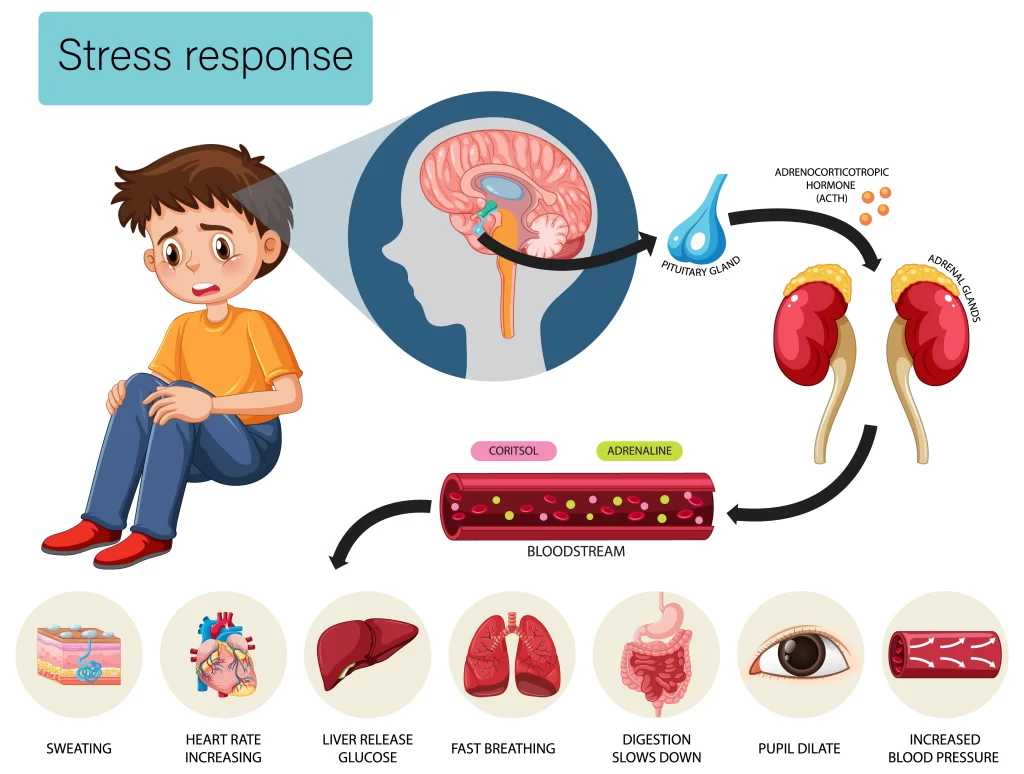
Studies show that women with high chronic stress levels tend to engage in emotional eating. In addition to psychological responses to stress, there may also be physiological responses. During a stressful event, the body releases cortisol, a hormone that helps the body protect itself. However, if cortisol levels are elevated for a prolonged period, it can disrupt the delicate balance of our hormonal system, leading to cravings, overeating, and stress eating.
Biological Responses to Stress
- Cortisol: Known as the "stress hormone," cortisol can increase cravings for sugary or fatty comfort foods.
- Insulin and Blood Sugar Regulation: Hormonal imbalances can affect blood sugar control, leading to sudden spikes and drops that trigger cravings and overeating.
- Other Hormones: Ghrelin and leptin, thyroid hormones, and estrogen levels can also be affected by stress, leading to changes in appetite and eating behaviors.
Managing Emotional Eating and Stress
Effectively managing stress and developing healthy coping mechanisms can help mitigate the negative effects of stress on our appetite and eating behaviors. Some strategies include:
- Practicing stress management techniques, such as meditation, yoga, or deep breathing exercises
- Engaging in regular physical activity, such as walking or exercise
- Getting enough sleep and practicing good sleep hygiene
- Seeking support from friends, family, or a therapist

The Role of Diet in Hormonal Balance
Nutrition plays a complex role in hormonal health. Eating regular meals prevents blood sugar spikes and crashes that stress the insulin system. Including enough protein, healthy fats, and fiber supports hormone production and regulation.
Common Causes of Hormonal Imbalance
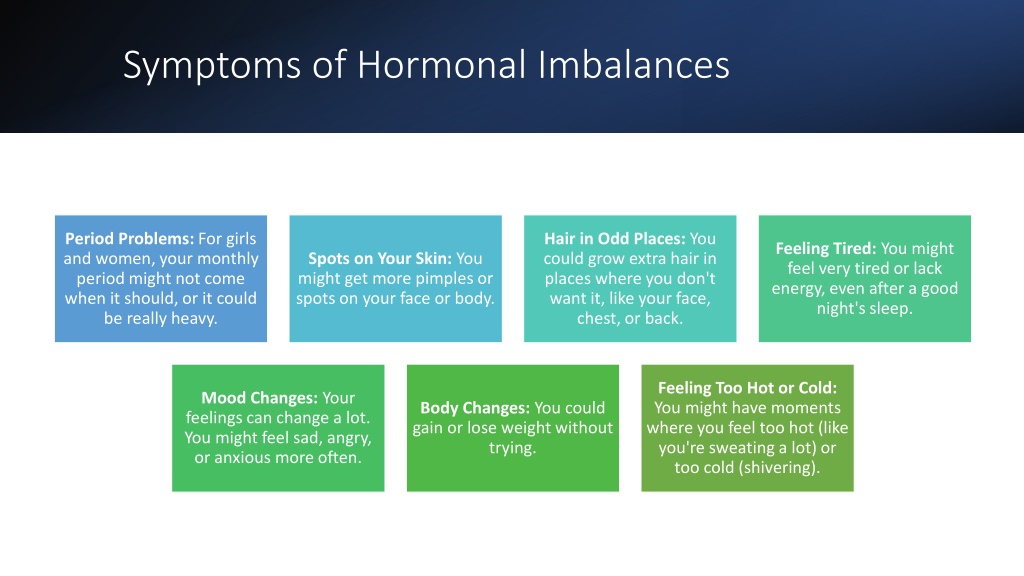
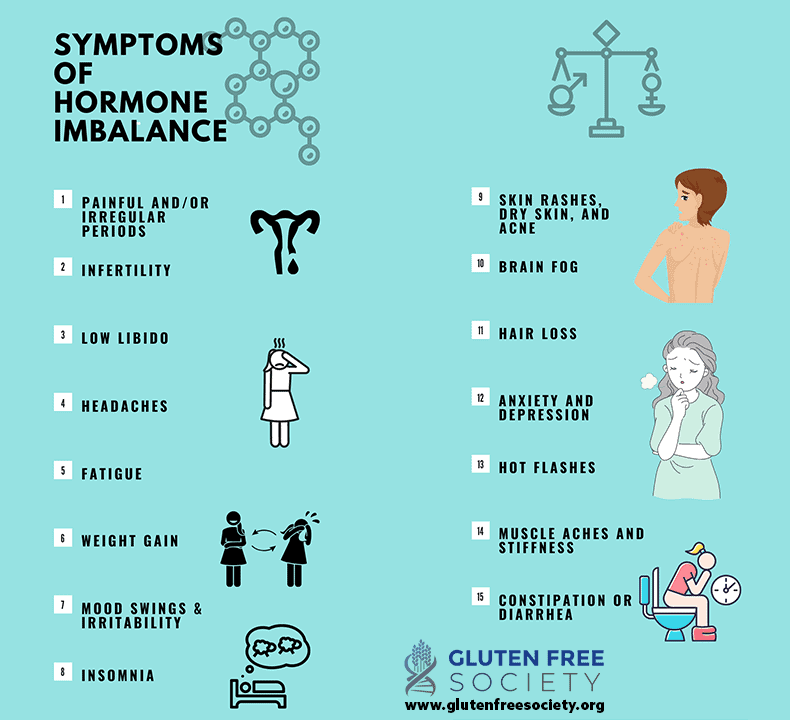
Many issues can cause hormonal imbalances, including diet, lifestyle, environment, and psychological stress. Some common root causes include:
- Polycystic ovary syndrome (PCOS)
- Thyroid malfunction
- Chronic stress
- Lack of sleep
- Poor diet
Restoring Hormonal Balance Naturally
Restoring hormonal balance naturally can be achieved through a combination of lifestyle changes, dietary modifications, and stress management techniques. Some strategies include:
- Practicing stress management techniques
- Engaging in regular physical activity
- Getting enough sleep and practicing good sleep hygiene
- Seeking support from friends, family, or a therapist
Conclusion
Understanding the complex relationship between hormonal imbalances and stress eating is crucial for developing effective strategies to manage emotions, balance hormones naturally, and develop a healthier relationship with food. By exploring the biological responses to stress, managing emotional eating and stress, and making informed dietary choices, we can take control of our hormonal health and overall well-being.