In-Home Physical Therapy for Improving Range of Motion and Flexibility
The Benefits of In-Home Physical Therapy
One of the biggest benefits of in-home physical therapy is the convenience that it offers. When you can do your physical therapy from the comfort of your own home, you're more likely to stick to your routine and see the results that you're looking for. Additionally, in-home physical therapy allows you to avoid the hassle and expense of traveling to and from a clinic or hospital, which can be especially beneficial for people who have mobility issues or live far away from a physical therapy clinic.
Improving Range of Motion and Flexibility
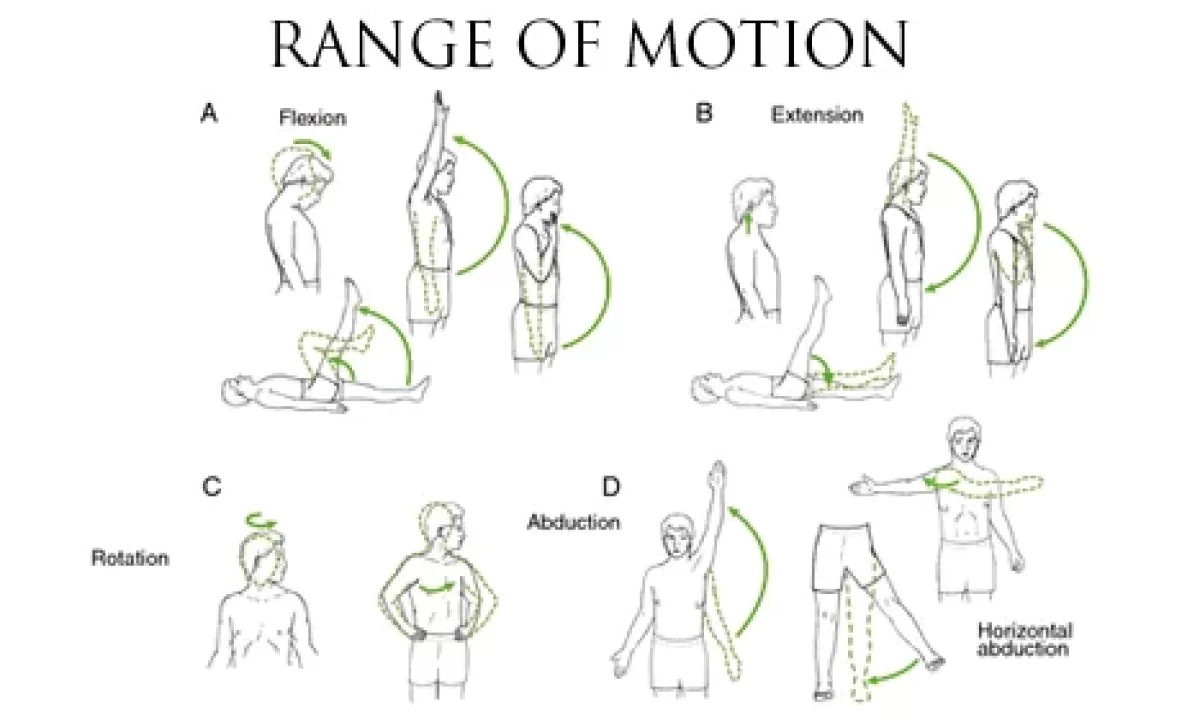
Range of motion and flexibility are two of the most important aspects of physical therapy, and they're closely linked. When you have a full range of motion, you're able to move your joints freely and easily, which is essential for doing everyday activities and enjoying a good quality of life. On the other hand, when you have reduced range of motion, you're more likely to experience pain, stiffness, and mobility issues.
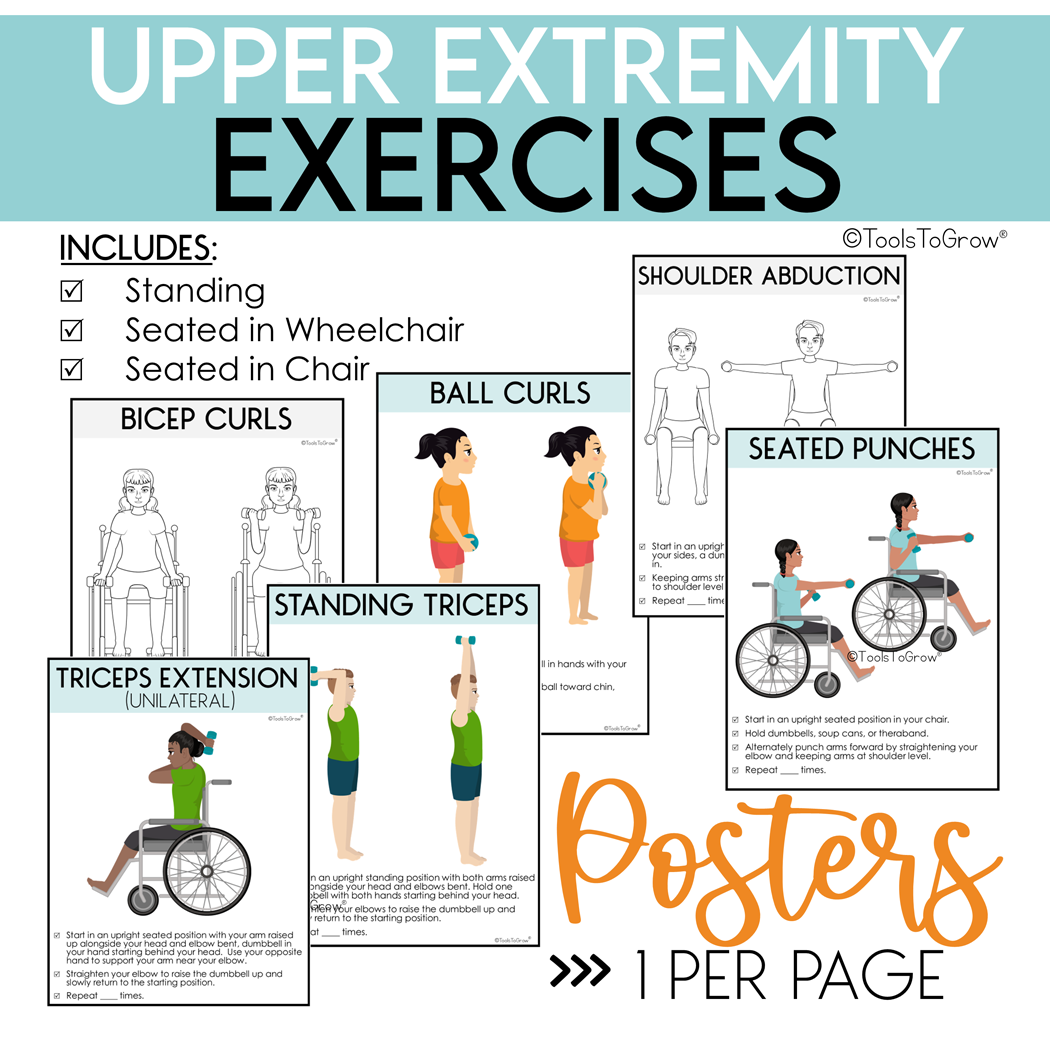
Fortunately, there are many exercises that you can do from the comfort of your own home to improve your range of motion and flexibility. Some of the most effective exercises include:
- Leg Swings: Stand with your feet hip-width apart and swing one leg forward and backward, then switch to the other leg.
- Arm Circles: Hold your arms straight out to the sides and make small circles with your hands.
- Shoulder Rolls: Roll your shoulders forward and backward in a circular motion.
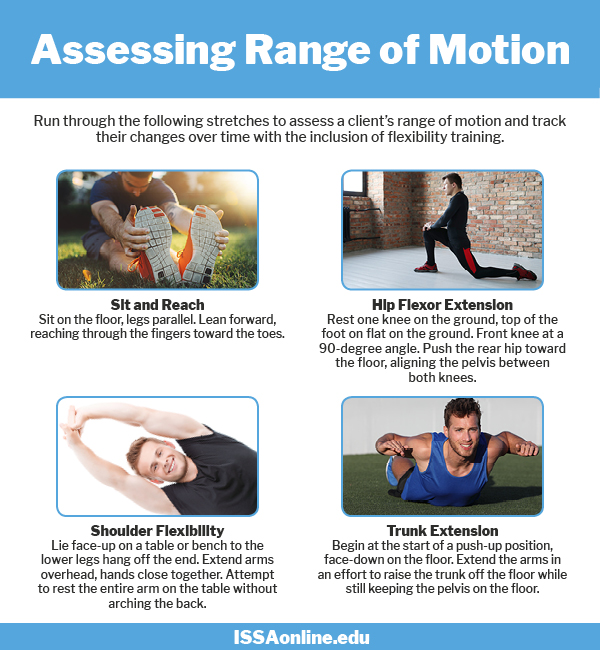
- Hip Flexor Stretch: Kneel on one knee with the other foot in front of you, and lean forward, stretching the front of your hip.
- Calf Stretch: Stand with your feet hip-width apart and lean forward, stretching the back of your calf.
Achieving Long-Term Motivation
In order to achieve long-term motivation, it's essential to have tangible progress markers. This can be achieved by tracking your progress over time, setting realistic goals, and finding a workout buddy. When you have a clear understanding of what you're working towards, you're more likely to stay motivated and see the results that you're looking for.
Expert Guidance is Essential
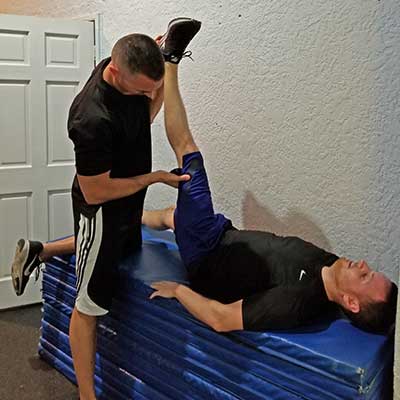
While it's possible to do physical therapy at home, it's essential to have expert guidance to ensure that you're doing the exercises correctly and safely. A licensed physical therapist can create a personalized exercise plan that's tailored to your specific needs and goals, which can help you achieve the best possible results.
Getting Started with In-Home Physical Therapy
Getting started with in-home physical therapy is easier than you think. All you need to do is set up a dedicated space, invest in some simple equipment, and find a licensed physical therapist who can guide you through the process. Some of the most effective ways to get started with in-home physical therapy include:
- Investing in a good quality exercise ball, resistance bands, or other equipment that can help you perform exercises safely and effectively.
- Setting up a dedicated exercise space in your home, such as a yoga room or a home gym.
- Finding a licensed physical therapist who can guide you through the process and create a personalized exercise plan.
Conclusion
In-home physical therapy is a convenient, effective, and accessible way to improve your range of motion and flexibility. By incorporating simple exercises into your daily routine, you can achieve the results that you're looking for and enjoy a better quality of life. With the right guidance and support, you can overcome mobility issues, reduce pain and stiffness, and enjoy a more active, healthy lifestyle.