Intermittent Fasting and GLP 1 Receptor Agonists for Obesity
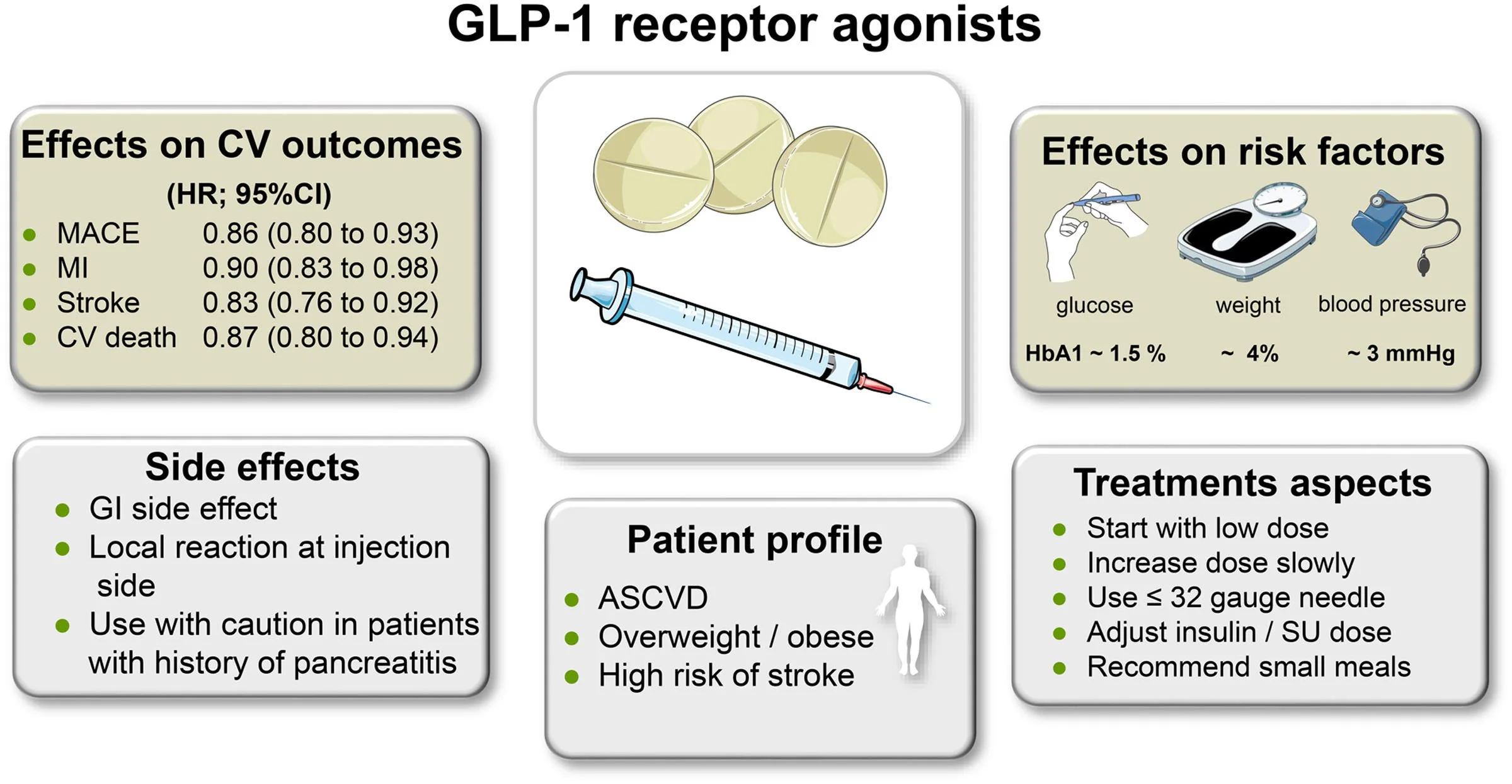
Obesity remains a major global health challenge, with glucagon-like peptide-1 receptor agonists (GLP-1RAs) providing substantial yet sensitive benefits in weight reduction, glycemic control, and cardiovascular protection.
Understanding the Benefits and Limitations of GLP-1RAs
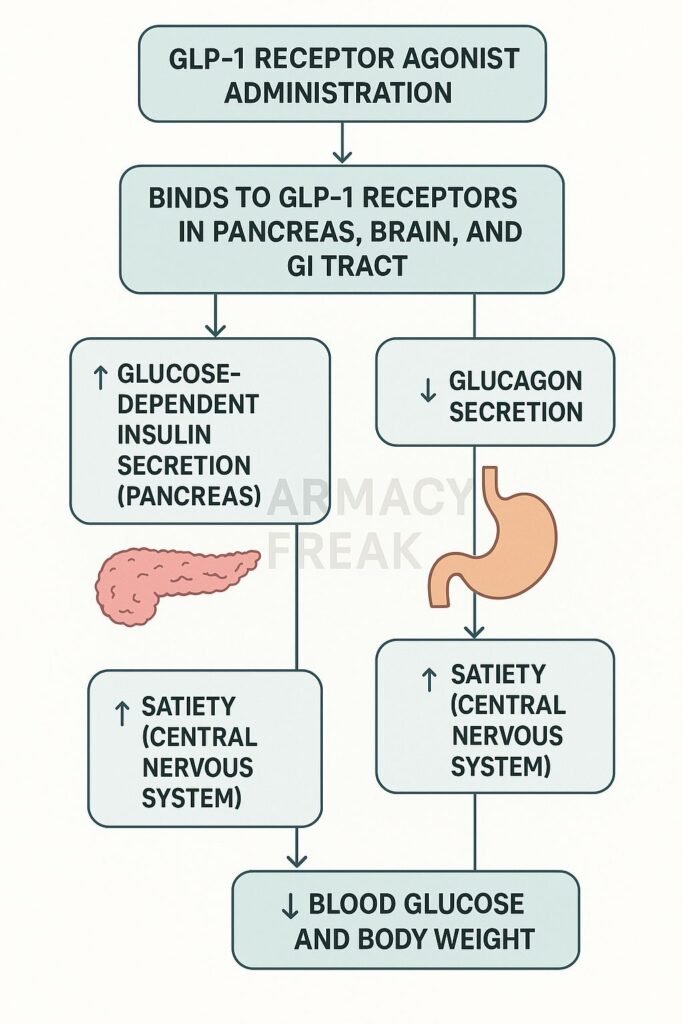
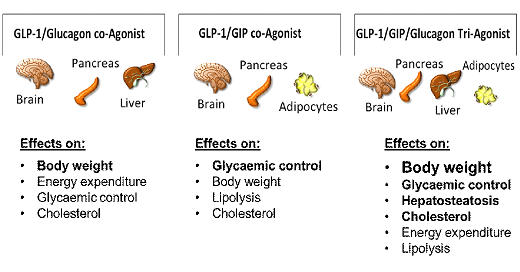
- GLP-1RAs, such as semaglutide (Wegovy) and liraglutide (Saxenda), work by mimicking the natural hormone glucagon-like peptide-1, which regulates appetite and blood sugar levels.
- They have been shown to cause significant weight loss, improve glycemic control, and reduce cardiovascular risk factors.
- However, GLP-1RAs can also have potential side effects, including nausea, vomiting, and thyroid C-cell tumors, and may not be ideal for everyone, especially those with a history of eating disorders or taking medications that require food for absorption.
Intermittent Fasting: A Promising Approach?
Intermittent fasting (IF) involves cycling between defined periods of eating and fasting, which can be beneficial for weight loss and improving metabolic health. When combined with GLP-1RAs, IF may offer enhanced weight loss benefits.
- IF can be more effective than dieting alone for weight loss, and can be tailored to individual needs and preferences, such as a 16:8 window, 5:2 approach, or something else entirely.
- GLP-1RAs can work together with IF to improve satiety, reduce hunger, and enhance glucose control.
- However, it is essential to consult a healthcare provider before combining IF with GLP-1RAs, especially for individuals with diabetes, eating disorders, or other health conditions.
Key Considerations for Combining GLP-1RAs and IF
- Healthcare providers should carefully consider individual factors, such as medical history, medication regimen, and nutritional needs, before recommending GLP-1RAs and IF combined.
- GLP-1RAs can interact with other medications, including those for diabetes, and may require dose adjustments or close monitoring.
- Individuals should be aware of the potential risks and benefits of combining GLP-1RAs and IF, including side effects, such as nausea, vomiting, and thyroid C-cell tumors.
Emerging Research and Future Directions
- Recent studies have explored the potential benefits of combining GLP-1RAs and IF for weight loss and metabolic improvement in individuals with obesity and type 2 diabetes.
- More research is needed to fully understand the effects of combining GLP-1RAs and IF, including potential interactions and side effects.
- Healthcare providers and researchers should continue to explore innovative approaches, such as personalized nutrition and exercise programs, to optimize the benefits of GLP-1RAs and IF for individuals with obesity and related health conditions.
Conclusion
The combination of GLP-1RAs and IF offers a promising approach for weight loss and metabolic improvement in individuals with obesity and related health conditions. However, it is essential to consider individual factors, potential interactions, and side effects before recommending this combination. Healthcare providers, researchers, and individuals should continue to explore innovative approaches to optimize the benefits of GLP-1RAs and IF for improved health outcomes.
References:
- Abstract: Obesity remains a major global health challenge, with glucagon-like peptide-1 receptor agonists (GLP-1RAs) providing substantial yet sensitive benefits in weight reduction, glycemic control, and cardiovascular protection.
- Mar 1, 2024: Moreover, glucose tolerance, antidiabetic treatment, grade of overweight/obesity, and sex were important factors influencing GLP-1 secretion.
- 6 days ago: At its core, IF involves cycling between defined periods of eating and fasting— whether that's a 16:8 window, 5:2 approach, or something else entirely.
- July 8, 2024: Few data are available on the effect of glucagon-like peptide-1 receptor agonists on lipid metabolism, and no information is available on the postprandial lipidomic profile.