Leveling Compounds: A Comprehensive Guide to Achieving Perfect Floors
When it comes to achieving a flawless floor foundation, leveling compounds are a crucial aspect to consider. These specialized materials are designed to create a flat, smooth surface on uneven subfloors, making them an essential component for various flooring projects. In this article, we will delve into the world of leveling compounds, exploring their benefits, types, and application techniques to help you achieve professional-grade floors.
What are Leveling Compounds?
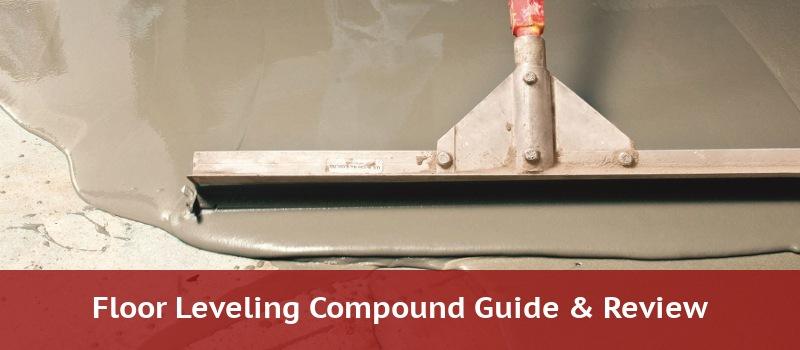
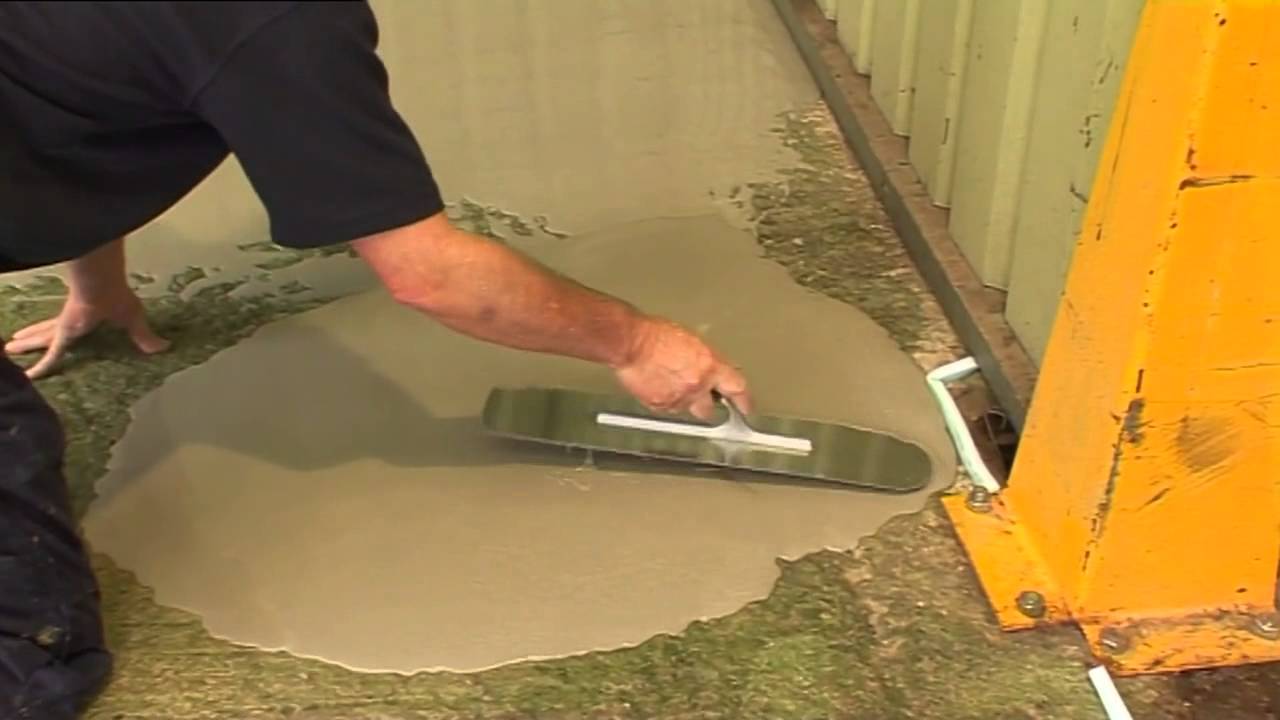
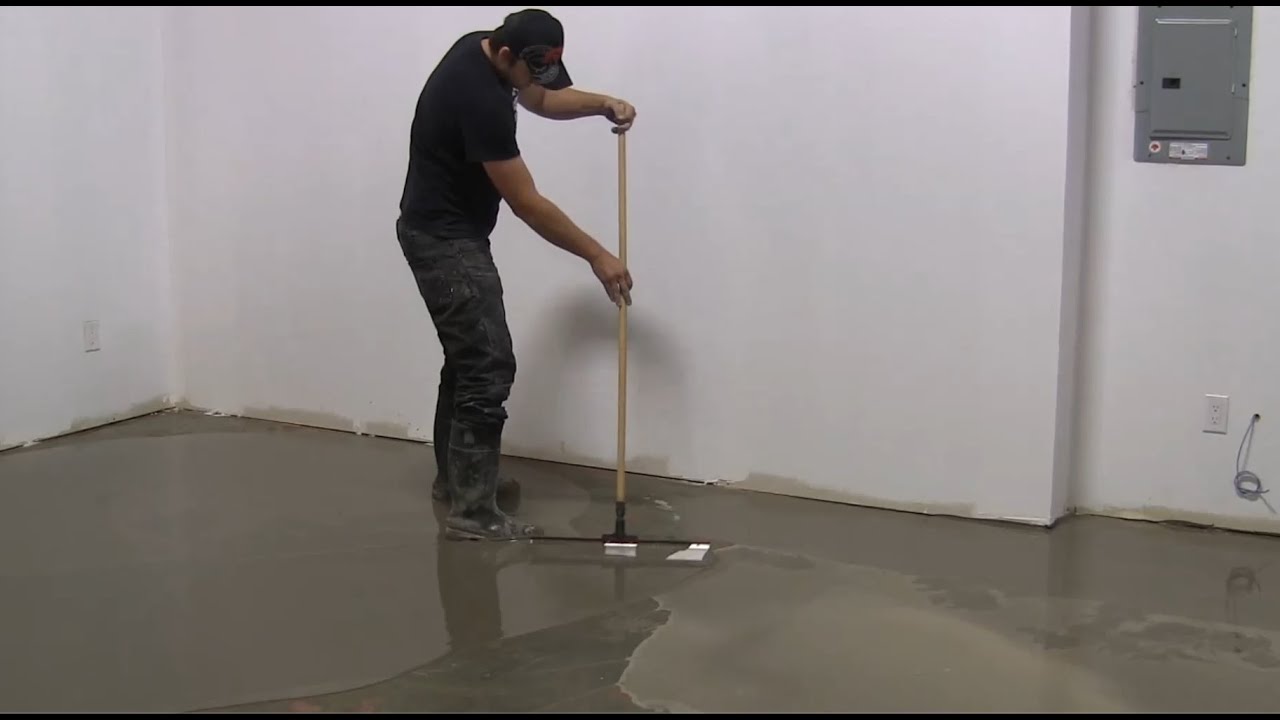
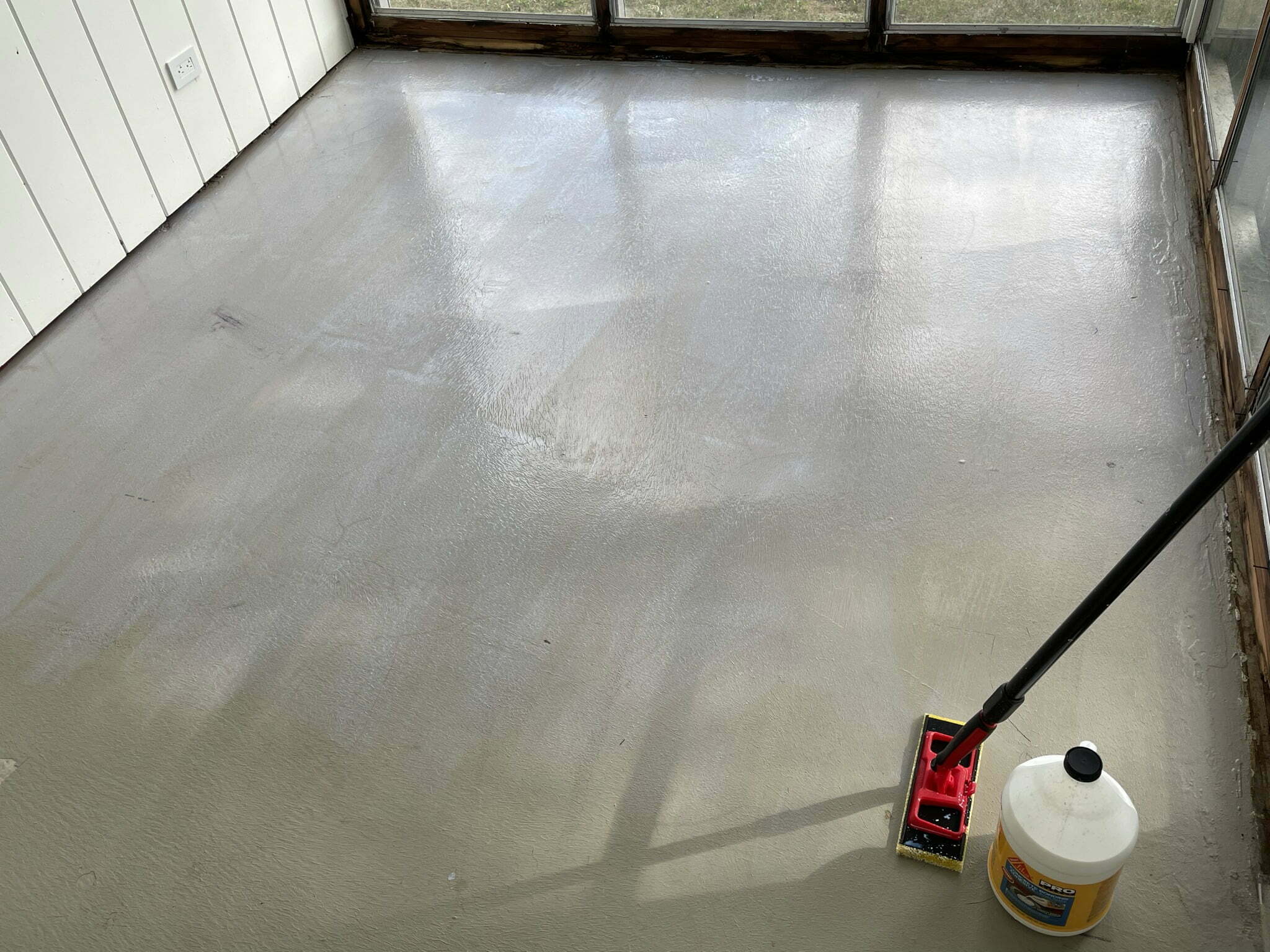
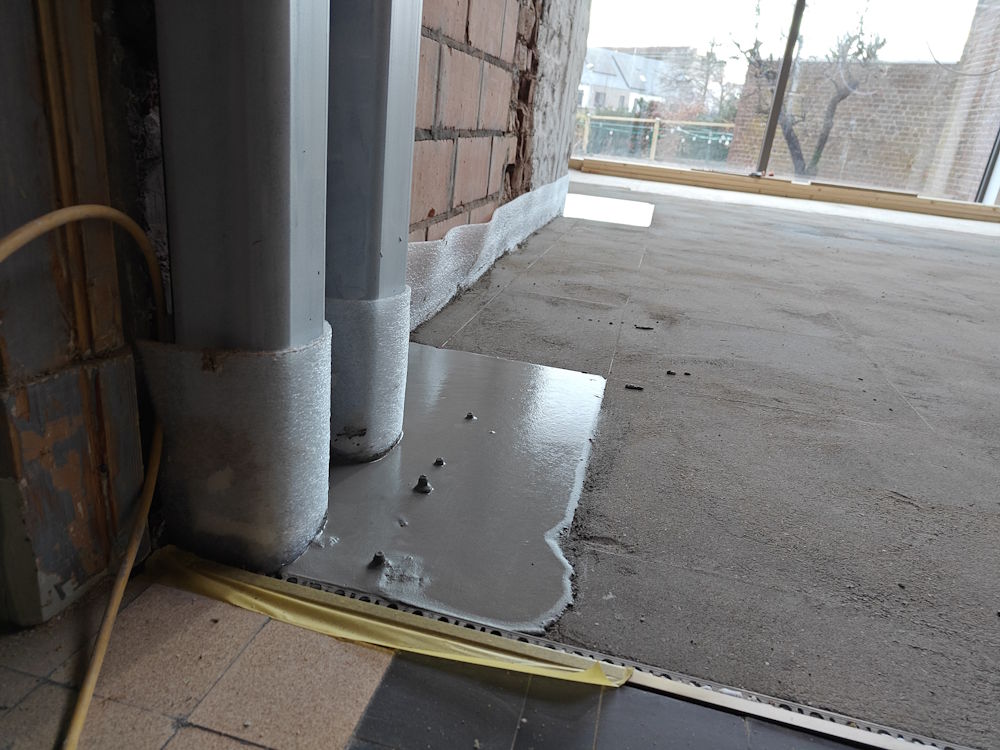
Leveling compounds, also known as self-leveling compounds or floor levelers, are specialized materials designed to create a flat surface on uneven subfloors. These compounds are usually thin, concrete-based mixtures that can be poured over bumpy concrete slabs to flatten and level them in preparation for tiling, flooring, or other finishes.
Types of Leveling Compounds
There are various types of leveling compounds available, each with its unique characteristics and applications. Some of the most common types include:
- Cement-based leveling compounds: These are the most common type, offering high compressive strength and a smooth finish.
- Polymer-modified leveling compounds: These offer improved flow characteristics and high flexibility, making them suitable for use in high-impact areas.
- Epoxy-based leveling compounds: These provide exceptional strength and durability, making them ideal for high-traffic areas or in places where the floor will be subjected to heavy loads.
- Acrylic-based leveling compounds: These offer improved flow characteristics and are often used in applications where a rapid-drying solution is required.
Benefits of Leveling Compounds
Leveling compounds offer several benefits, including:
- Improved floor stability: By creating a flat surface, leveling compounds ensure that the subfloor is stable and even, reducing the risk of cracking or water damage.
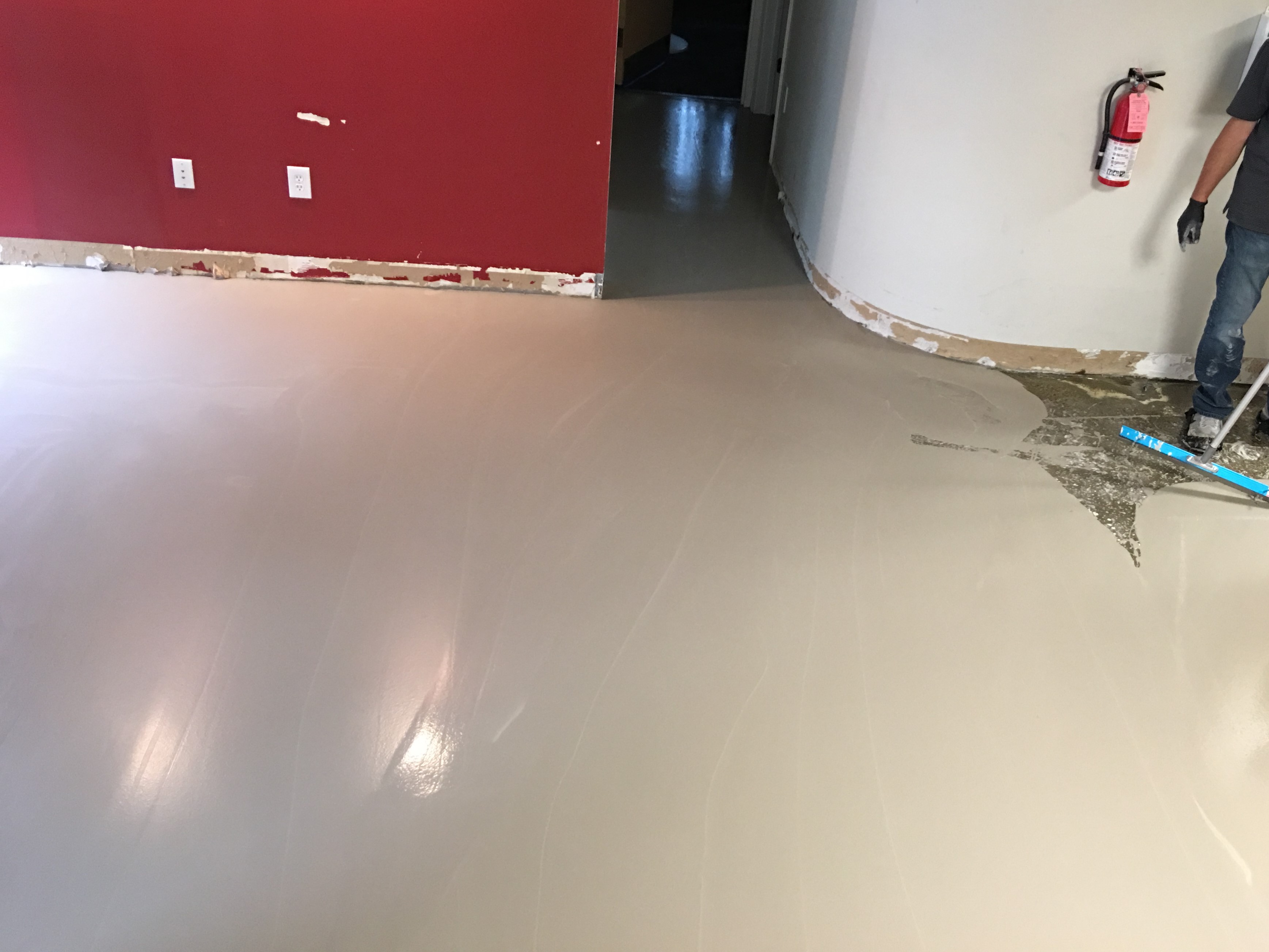
- Enhanced floor appearance: Leveling compounds provide a smooth, even surface, making them ideal for applications where aesthetics are a top priority.
- Increased floor lifespan: By reducing wear and tear on the subfloor, leveling compounds help extend the lifespan of the flooring and the underlying structure.
- Easy to apply**: Leveling compounds are relatively simple to apply, requiring minimal mixing and setup.
- Cost-effective: Compared to other flooring solutions, leveling compounds are often more cost-effective, making them a viable option for budget-conscious projects.
Application Techniques and Tips
When applying leveling compounds, it's essential to follow the manufacturer's instructions and take some essential precautions to achieve optimal results.
Preparation is key**: Before applying the leveling compound, ensure the subfloor is clean and free of debris, following the manufacturer's guidelines for surface preparation.
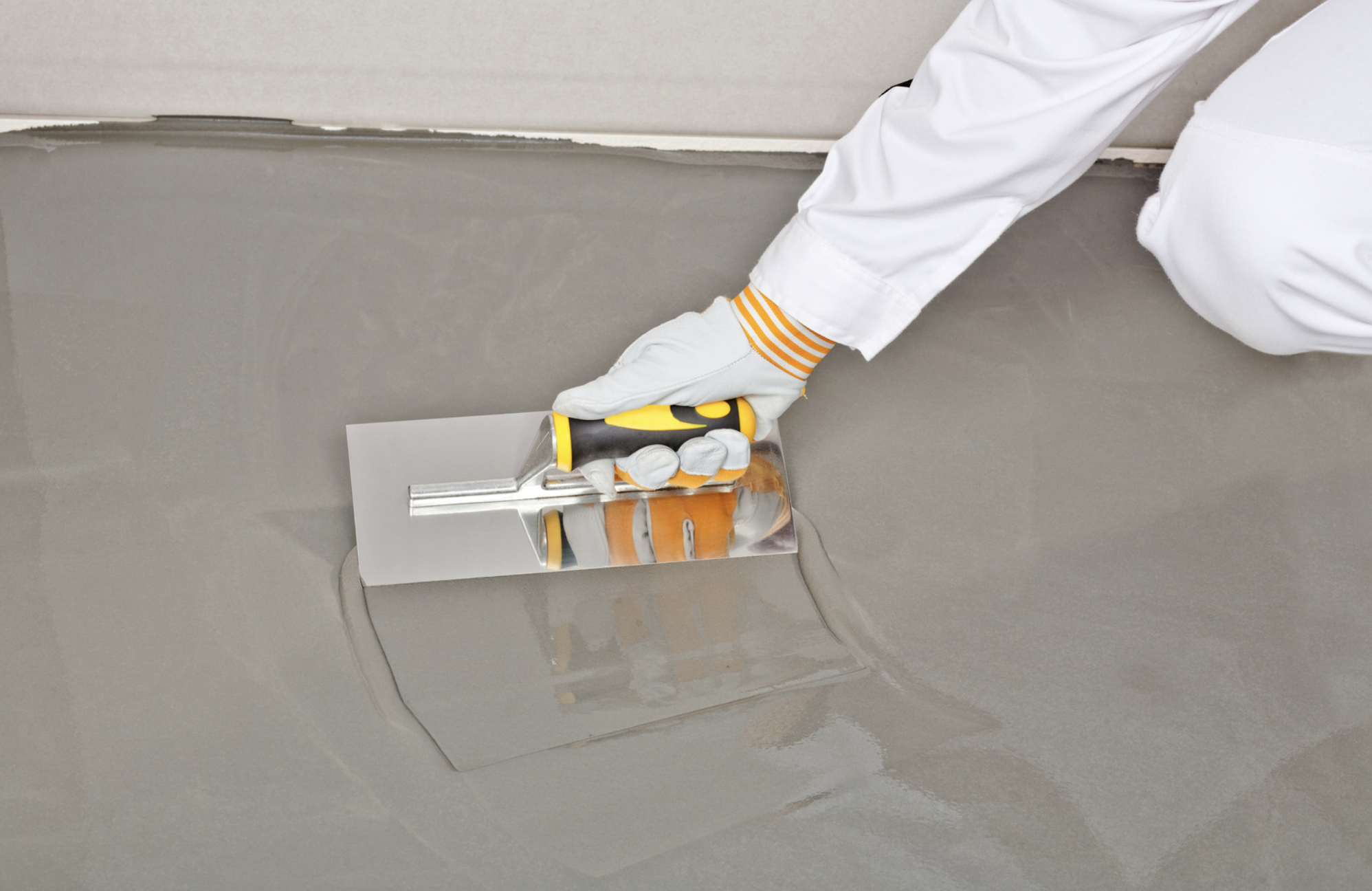
Mix and apply correctly**: Follow the manufacturer's mixing instructions and apply the compound according to the recommended application rate and spreading techniques.
Work quickly**: Leveling compounds set and harden quickly, so it's essential to work efficiently to cover the entire area before the material sets.
Allow sufficient drying time**: Allow the compound to dry completely before applying finishing materials, such as flooring or coatings.
Common Pitfalls and Troubleshooting
Some common pitfalls to avoid when using leveling compounds include:
- Inadequate surface preparation**: Failure to clean and prepare the subfloor can lead to uneven application and compromised results.
- Incorrect mixing**: Improper mixing can result in suboptimal flow and performance.
- Insufficient application thickness**: Applying too little compound can lead to uneven surfaces and compromised adhesion.
- Improper drying time**: Allowing the compound to dry too quickly can compromise the finish and bonding.
Conclusion
In conclusion, leveling compounds are a fundamental component in achieving professional-grade floors. By understanding the different types, benefits, and application techniques of leveling compounds, you'll be well-equipped to tackle uneven subfloors and create a flawless foundation for your flooring project. Remember to follow the manufacturer's instructions, take necessary precautions, and avoid common pitfalls to achieve optimal results.
Recommended Leveling Compounds
Some popular leveling compounds on the market include:
- MAPEI Self-Leveler Plus
- Sika Level
- SAKRETE Self-Leveling Underlayment
- Uzin Utz Leveling Compounds