Mindful Eating and GLP-1 Therapy: A Powerful Synergy for Lasting Weight Management
The relationship between food, emotions, and the body is complex, and managing weight can be a lifelong challenge. At first glance, mindfulness training and GLP-1s may seem like opposing approaches, with one focusing on voluntary self-regulation and the other delivering a pharmacologic intervention. However, research suggests that GLP-1 therapy and mindful eating practices can work together to promote a healthier relationship with food and sustainable weight loss.
The Science Behind GLP-1 Therapy
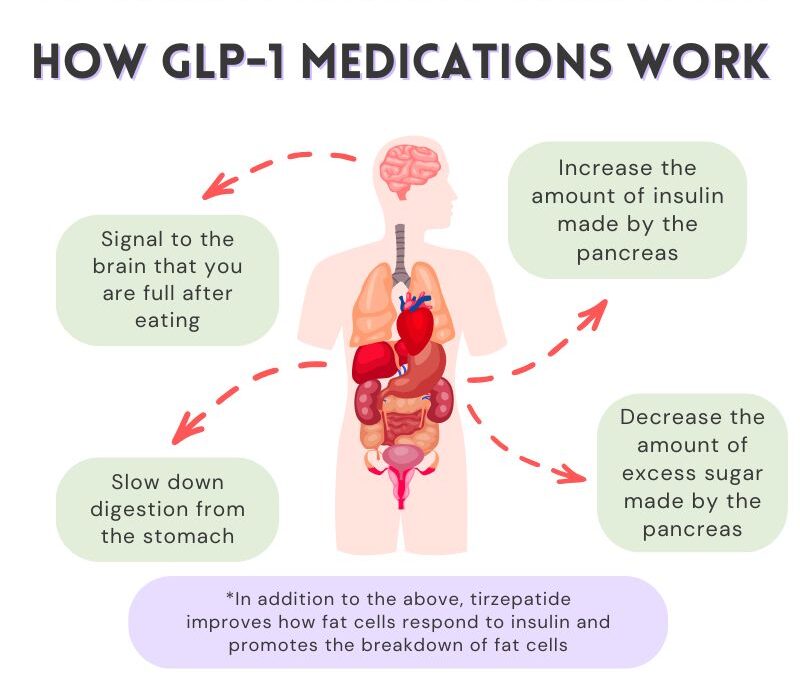
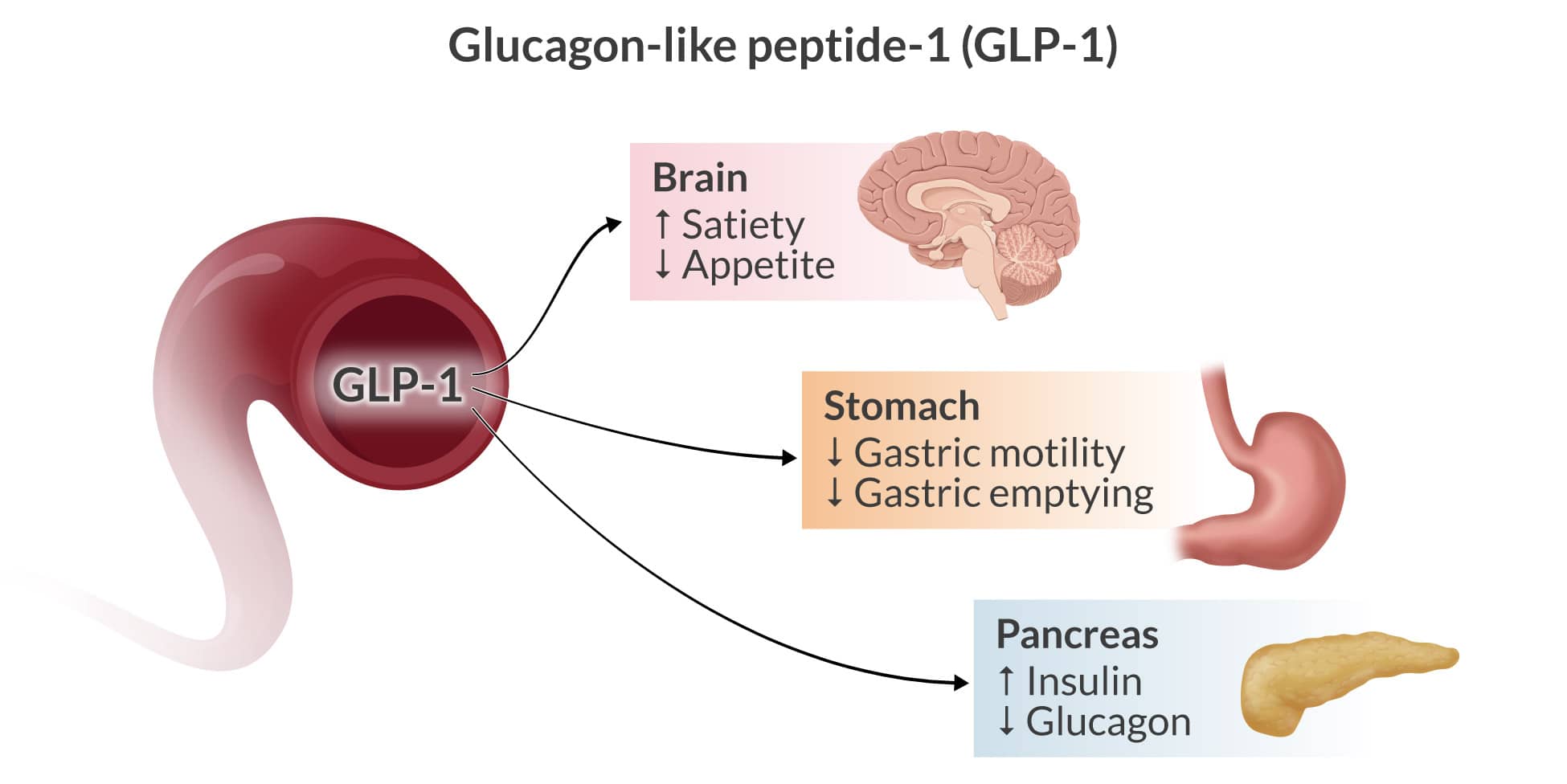
GLP-1 medications, such as semaglutide and tirzepatide, work by slowing down stomach emptying and affecting appetite-regulating hormones, leading to feelings of fullness and weight loss. While these medications can be effective, they do not address the underlying patterns that led to weight gain in the first place. That's where mindful eating comes in.
The Power of Mindful Eating
Mindful eating is a practice that involves paying attention to the physical and emotional sensations associated with eating, including hunger and fullness cues, taste, texture, and aroma. By cultivating awareness of these sensations, individuals can develop a healthier relationship with food and make more informed choices about what and how much they eat. This approach can help individuals optimize their nutritional status, ameliorate side effects of GLP-1 therapy, and increase intrinsic motivation to eat well.
The Synergy of GLP-1 Therapy and Mindful Eating
When combined, GLP-1 therapy and mindful eating practices create a powerful synergy that addresses both the physiological and psychological aspects of eating behavior. This integrated approach can help individuals develop a healthier relationship with food, build lasting nutritional habits, and maintain their success long after treatment ends. By working with a healthcare provider and registered dietitian, individuals can learn how to maximize their results, manage side effects, and develop a more mindful approach to eating.

Benefits of Mindful Eating and GLP-1 Therapy
- Reduced calorie intake and weight loss
- Improved appetite regulation and reduced hunger
- Increased satiety and reduced food cravings
- Improved overall nutrition and reduced risk of chronic diseases
- Enhanced emotional well-being and reduced stress related to food
Integrating GLP-1 Therapy and Mindful Eating into Your Lifestyle
While GLP-1 therapy can be a powerful tool for weight management, it is essential to address the underlying patterns that led to weight gain in the first place. By incorporating mindful eating practices into your lifestyle, you can develop a healthier relationship with food, build lasting nutritional habits, and maintain your success long after treatment ends. Here are some tips to get you started:
- Eat smaller, more frequent meals every three to four hours
- Aim for eight to twelve cups of water daily to stay hydrated
- Practice mindful eating by paying attention to hunger and fullness cues
- Avoid eating out of boredom or stress
- Regularly monitor your weight or waist measurements
Conclusion
Mindful eating and GLP-1 therapy are not mutually exclusive approaches to weight management. By combining these practices, individuals can develop a healthier relationship with food, build lasting nutritional habits, and maintain their success long after treatment ends. While GLP-1 therapy can be a powerful tool for weight loss, it is essential to address the underlying patterns that led to weight gain in the first place. By working with a healthcare provider and registered dietitian, individuals can learn how to maximize their results, manage side effects, and develop a more mindful approach to eating.