The GLP-1 Diet for Insulin Resistance Reversal: A Comprehensive Guide
Understanding GLP-1 and Insulin Resistance
Glucagon-like peptide-1 (GLP-1) is a hormone that plays a crucial role in regulating blood sugar levels, appetite, and digestion. Recent studies have shown that GLP-1 can help overcome insulin resistance, a condition where the body's cells become less responsive to insulin, making it harder to control blood sugar levels. When we eat certain foods, our gut releases GLP-1, which signals the pancreas to release insulin, the hormone responsible for glucose uptake in the cells. However, in the case of insulin resistance, the cells become "desensitized" to insulin, leading to a decline in glucose uptake and a host of other health problems.The Importance of Managing Insulin Resistance
Insulin resistance is a precursor to type 2 diabetes, a condition that affects millions of people worldwide. The good news is that lifestyle modifications, including diet and exercise, can help reverse insulin resistance.The GLP-1 Diet: A Guide to Reversing Insulin Resistance
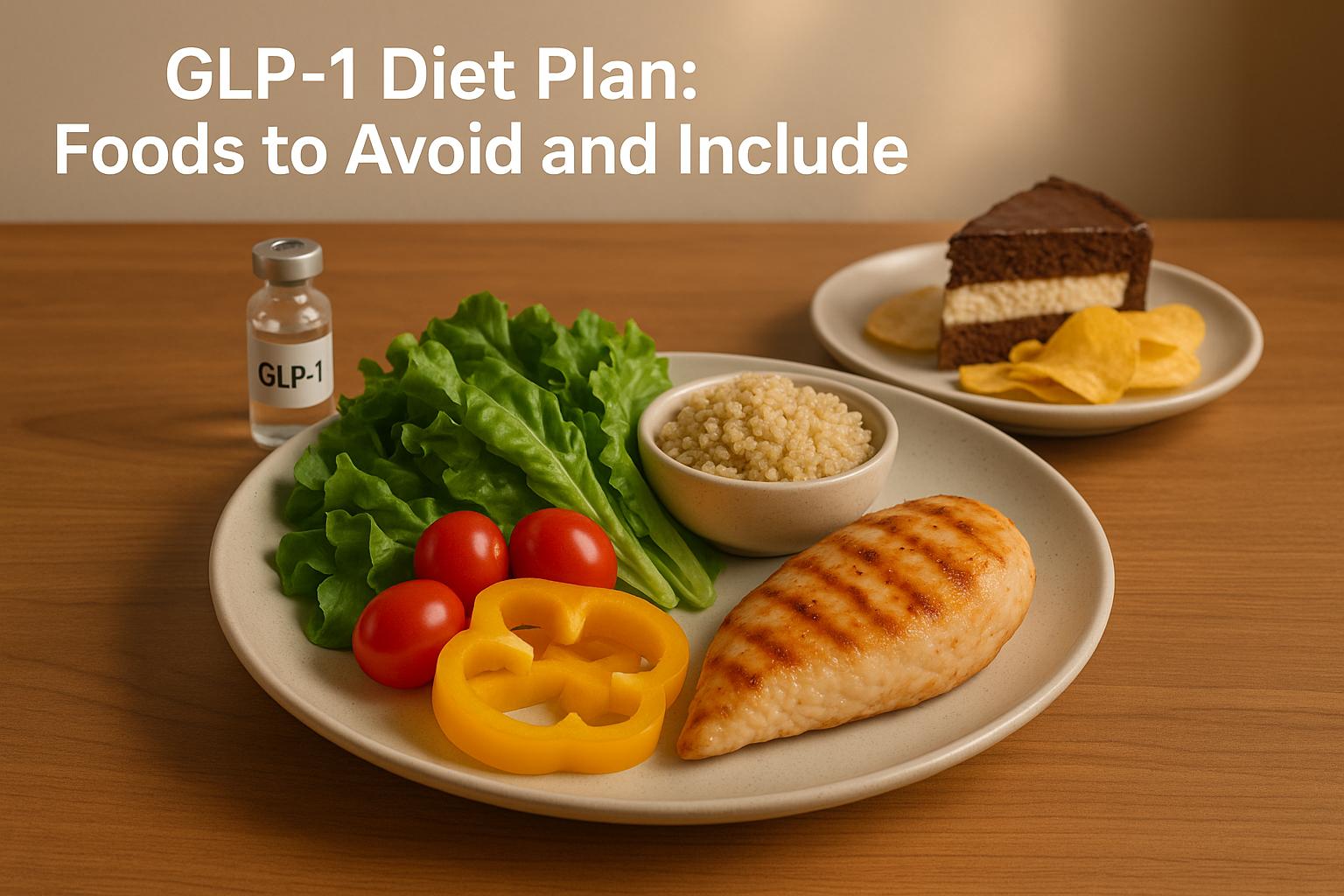
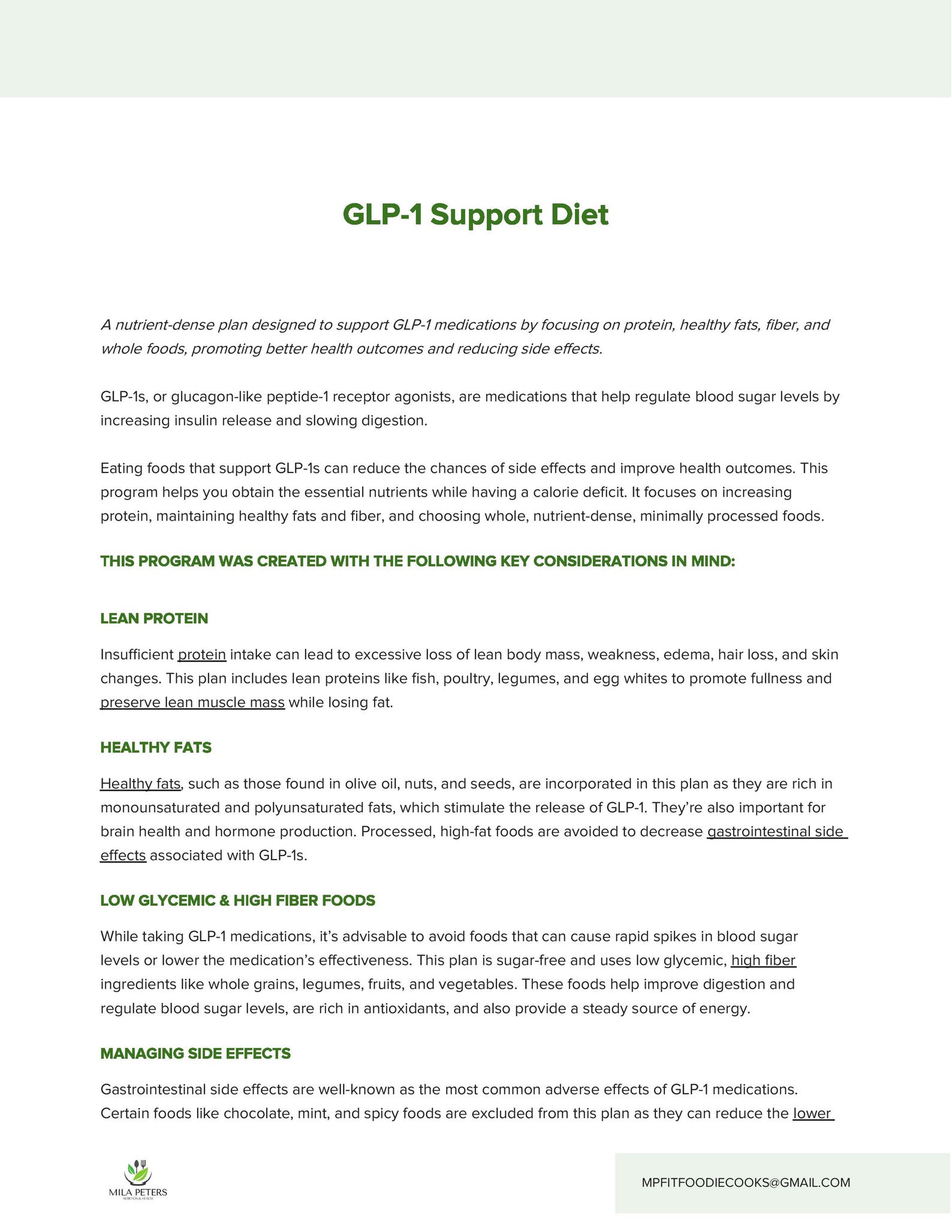
So, what is the GLP-1 diet? While there is no specific "diet" that includes the word "GLP-1", the concept revolves around eating a balanced diet that enhances the natural production of GLP-1, while minimizing the consumption of foods that can exacerbate insulin resistance. Here are the key principles of the GLP-1 diet:- Eat a high-fiber diet: Fiber is essential for stimulating the release of GLP-1. Include foods rich in fiber like fruits, vegetables, whole grains, and legumes in your diet.
- Choose whole, unprocessed foods: Processed foods are often high in sugar, salt, and unhealthy fats, which can worsen insulin resistance. Opt for whole foods, including lean proteins, whole grains, and fresh fruits and vegetables.
- Include omega-3 rich foods: Omega-3 fatty acids, found in fatty fish, nuts, and seeds, can help reduce inflammation and improve insulin sensitivity.
- Limit sugar intake: Consuming high amounts of sugar can impede GLP-1 production and worsen insulin resistance.
- iceration and avoid artificial sweeteners: While sugar may be bad, artificial sweeteners can also interfere with GLP-1 production.
- Stay hydrated: Adequate hydration is essential for function
GLP-1 and Weight Loss
GLP-1 has been shown to have a role in weight loss by suppressing appetite and increasing feelings of fullness. By incorporating the principles of the GLP-1 diet, you may find it easier to manage your weight and reduce your risk of developing type 2 diabetes.Combining GLP-1 Medications with Diet and Exercise
If you're currently taking GLP-1 medications like semaglutide or tirzepatide, incorporating a GLP-1 diet and exercise routine can help you get the most out of your treatment plan. Remember to discuss your treatment plan with your healthcare provider to ensure you're getting the most out of your medications.Conclusion
Reversing insulin resistance is possible with a combination of diet, exercise, and medications. By following the principles outlined in this article, you can create a GLP-1 diet plan that promotes overall health and well-being. Remember to consult with your healthcare provider before making any significant changes to your diet or exercise routine.Additional Resources:
Articles