Understanding Genetic Counseling Services
Genetic counseling services have become increasingly important in today's world, where the advancements in genetic testing and technology have opened up new avenues for understanding and managing genetic disorders. These services are designed to provide individuals and families with the necessary guidance and support to navigate the complex world of genetics.
What Are Genetic Counseling Services?
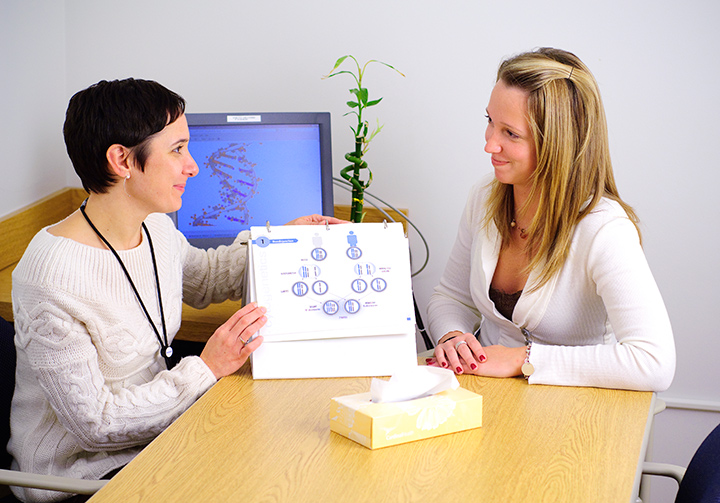
Genetic counselors are healthcare professionals who specialize in the field of genetics. They are trained to interpret genetic information, identify genetic risks, and communicate complex genetic concepts to patients and families in a clear and concise manner. Genetic counseling services involve assessing a person's genetic risk, educating them about genetic conditions, and providing guidance on genetic testing and its implications.
Why Do I Need Genetic Counseling Services?
There are many reasons why you may need genetic counseling services. If you have a family history of genetic disorders, are concerned about your risk of inheriting a genetic condition, or are considering genetic testing, genetic counseling can provide you with the necessary information and support. Additionally, if you are pregnant or planning to become pregnant, genetic counseling can help you understand the risks and benefits of prenatal genetic testing.
What Services Do Genetic Counselors Provide?
- Assessing genetic risk and identifying genetic disorders
- Providing education and guidance on genetic testing and its implications
- Helping individuals and families understand and interpret genetic test results
- Developing personalized care plans to manage genetic disorders
- Collaborating with healthcare providers to coordinate genetic care
Types of Genetic Counseling Services
Genetic counseling services can be provided in various settings, including medical offices, hospitals, and healthcare systems. There are also different types of genetic counseling services, including:

- Pre-test counseling: This involves discussing the risks and benefits of genetic testing and its implications before the test is performed.
- Post-test counseling: This involves discussing the results of genetic testing and its implications after the test is performed.
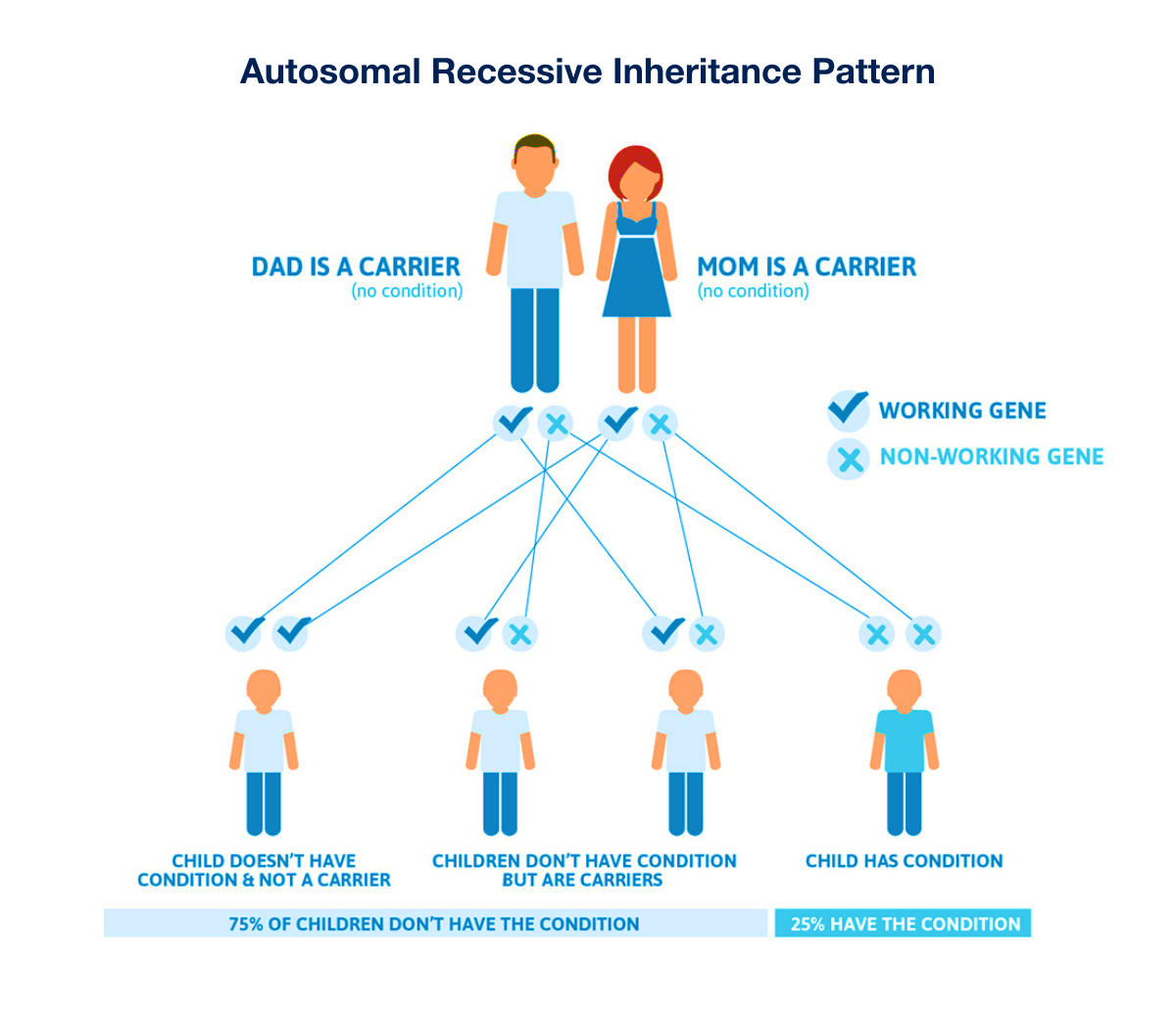
- Risk assessment: This involves evaluating an individual's or family's risk of inheriting a genetic disorder.
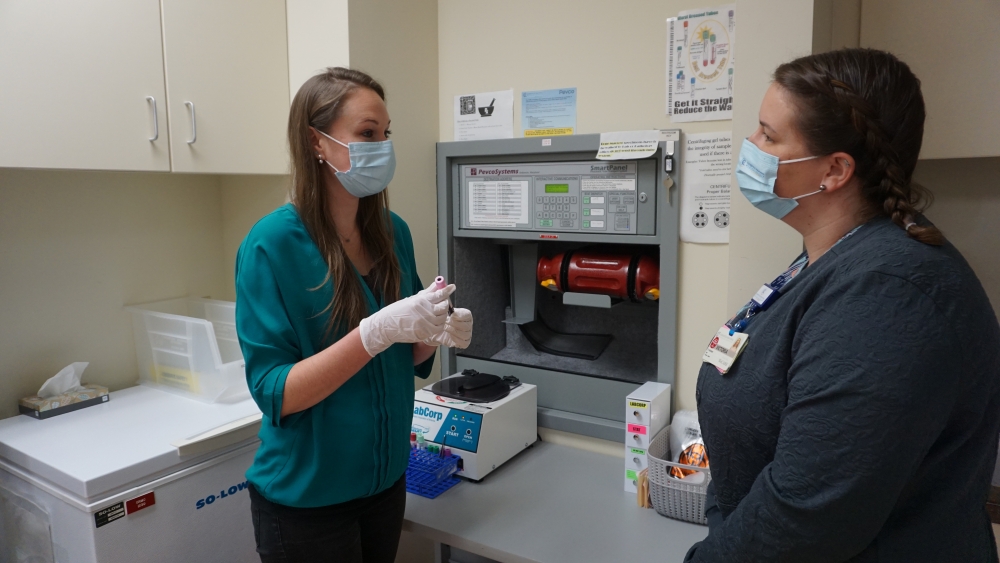
- Genetic testing: This involves performing tests to identify the presence or absence of a genetic mutation or disorder.
Benefits of Genetic Counseling Services
Genetic counseling services can provide numerous benefits to individuals and families, including:
- Improved understanding of genetic risks and disorders
- Better decision-making about genetic testing and its implications
- Personalized care plans to manage genetic disorders
- Increased access to genetic testing and counseling services
- Reduced anxiety and stress related to genetic health concerns
Accessing Genetic Counseling Services
Genetic counseling services can be accessed through various channels, including:
- Primary care physicians and healthcare providers
- Genetic clinics and centers
- Telehealth services and online platforms
- Insurance companies and healthcare systems
Conclusion
Genetic counseling services are essential for individuals and families who want to understand and manage genetic disorders. These services provide expert guidance and support to navigate the complex world of genetics, empowering individuals and families to make informed decisions about their genetic health. Whether you are seeking pre-test counseling, post-test counseling, risk assessment, or genetic testing, genetic counseling services can provide you with the necessary information and support to manage your genetic health effectively.