Embracing Imperfection: Anxiety Relief Techniques for Perfectionists
Perfectionism can be a debilitating state of mind, leaving individuals trapped in a cycle of anxiety, self-doubt, and burnout. As a perfectionist, you may feel an overwhelming pressure to meet impossibly high standards, leading to feelings of inadequacy and stress. However, there is hope for overcoming perfectionism and finding anxiety relief. In this article, we will explore the link between perfectionism and anxiety, and provide effective anxiety relief techniques for perfectionists.
Understanding the Link Between Perfectionism and Anxiety
Perfectionism and anxiety often go hand-in-hand, as the constant striving for perfection creates a breeding ground for anxiety. Perfectionists are often highly sensitive to their environments and their own perceived imperfections, leading to a fear of failure and a need for control. This can trigger a cycle of worry, overthinking, and avoidance, exacerbating anxiety and mental health issues.
Breaking the Cycle of Perfectionism and Anxiety
Breaking the cycle of perfectionism and anxiety requires a shift in mindset, self-compassion, and practical coping techniques. Here are some anxiety relief techniques for perfectionists:
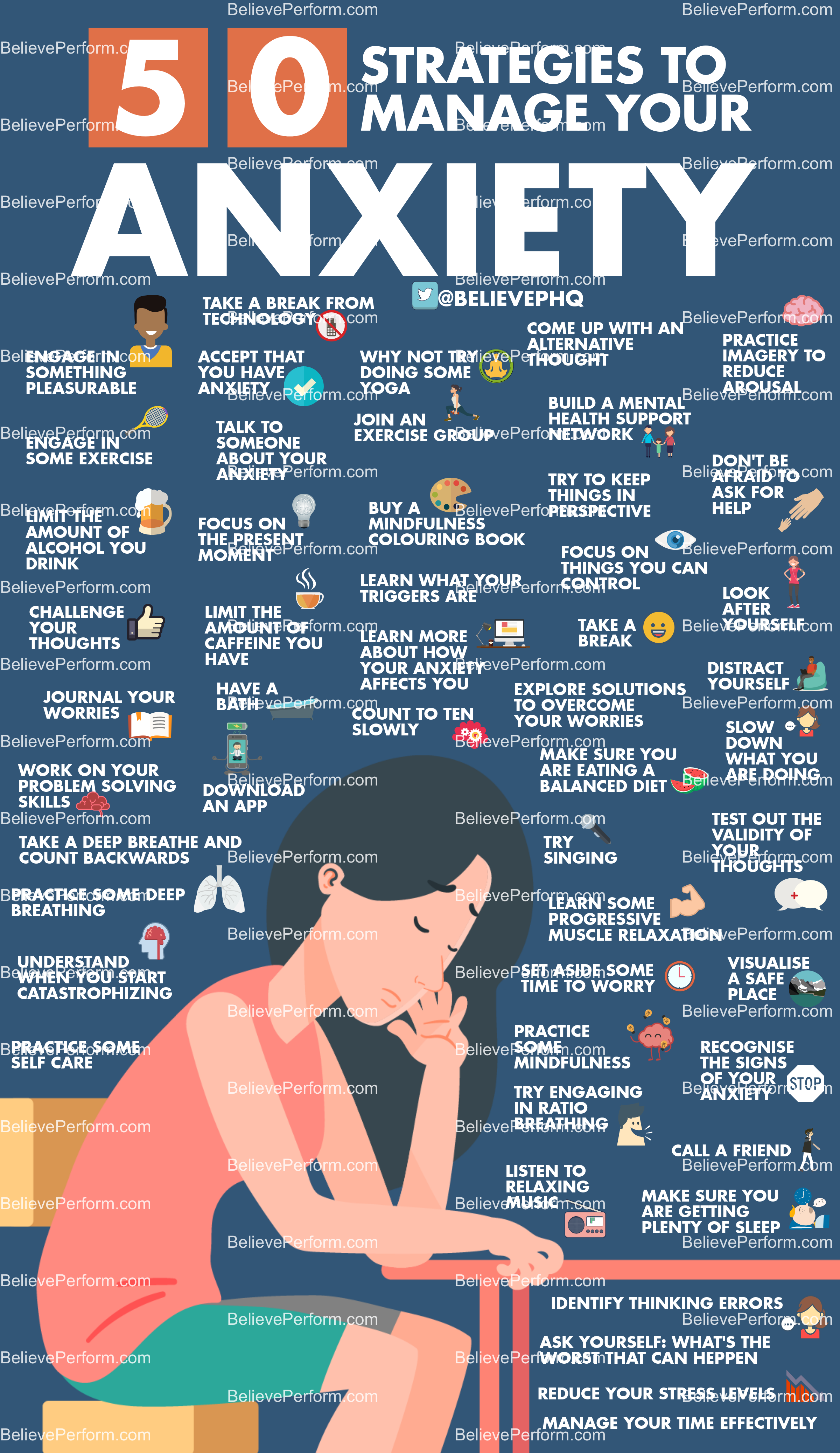
- Self-Compassion: Practice self-compassion by acknowledging and accepting your imperfections. Remind yourself that it's okay to make mistakes and that you're doing the best you can.
- Realistic Goal Setting: Set achievable goals and break them down into smaller, manageable tasks. Focus on progress, not perfection.
- Mindfulness and Meditation: Practice mindfulness and meditation to calm your nervous system and reduce anxiety. Regular mindfulness practice can help you develop a more compassionate and accepting attitude towards yourself and others.
- Journaling: Keep a journal to track your thoughts, feelings, and experiences. Writing down your concerns and reflections can help you identify patterns and gain insight into your perfectionistic tendencies.
- Gratitude Practice: Cultivate a daily gratitude practice by focusing on the good things in your life, no matter how small they may seem. This can help shift your focus away from perfection and towards the present moment.
- Exercise and Physical Activity: Regular exercise and physical activity can help reduce anxiety and improve mood. Find activities that bring you joy and help you feel grounded in your body.
- Prioritize Self-Care: Make time for activities that nourish your mind, body, and soul, such as reading, taking a relaxing bath, or practicing yoga.

Additional Anxiety Relief Techniques
Supplement your anxiety relief techniques with the following:
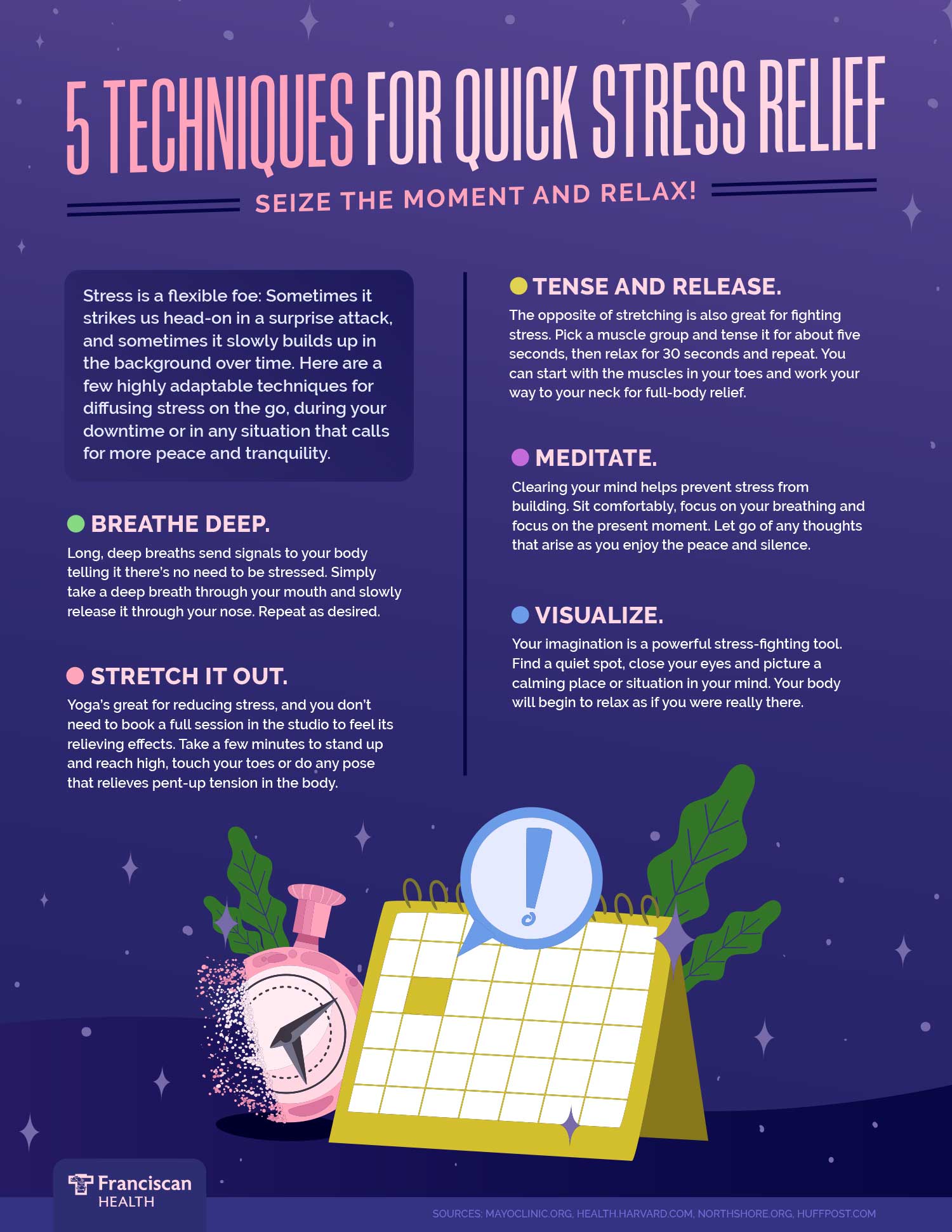
- Deep Breathing Exercises: Practice deep breathing exercises to calm your nervous system and reduce anxiety.
- Progressive Muscle Relaxation: Practice progressive muscle relaxation to release physical tension and promote relaxation.
- Perception Therapy: Work with a therapist to shift your perspective on stressful situations and develop a more realistic and compassionate attitude towards yourself and others.
Conclusion
Perfectionism and anxiety are interconnected, but with the right mindset, self-compassion, and coping techniques, you can break free from the cycle of anxiety and perfectionism. By embracing imperfection and prioritizing self-care, you can learn to manage your anxiety and develop a more realistic and compassionate attitude towards yourself and others.







:max_bytes(150000):strip_icc()/stress-relief-strategies-5191480-RegFinal-2bb33f27b9e4402b88c4088177472460.jpg "Apple Watch for Stress Management and Relief | TikTok")