Unlock the Power of GLP-1 Mimetics for Weight Loss
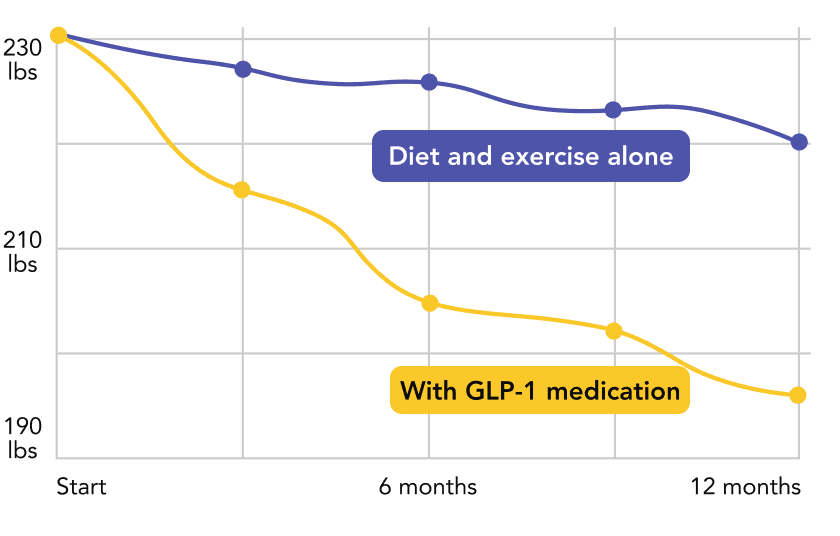
In the ever-evolving landscape of weight management, GLP-1 mimetics have emerged as a game-changing solution. These medications work by mimicking the natural hormone glucagon-like peptide-1 (GLP-1), regulating appetite, blood sugar levels, and weight loss. In this comprehensive article, we'll delve into the world of GLP-1 mimetics, exploring their mechanism of action, benefits, and potential drawbacks.
What are GLP-1s?
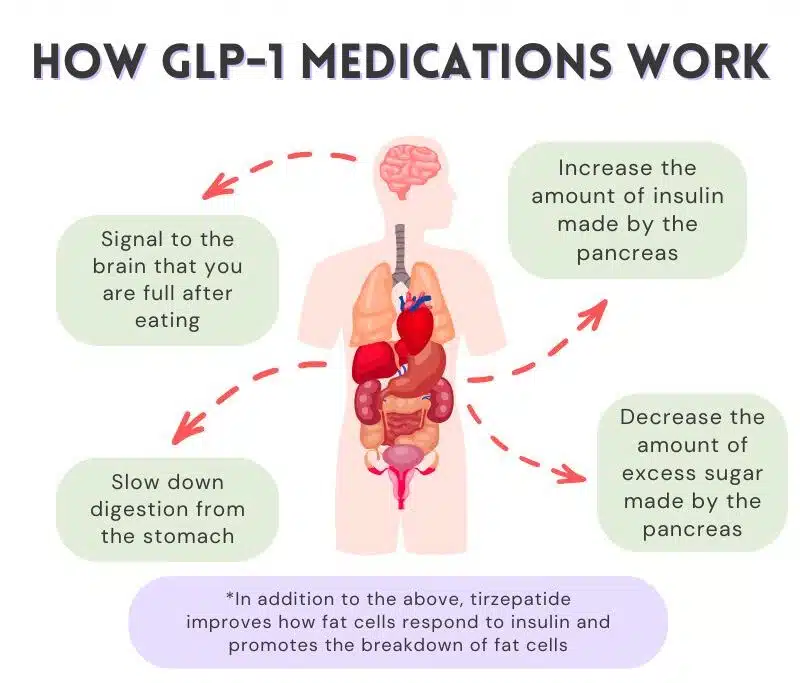
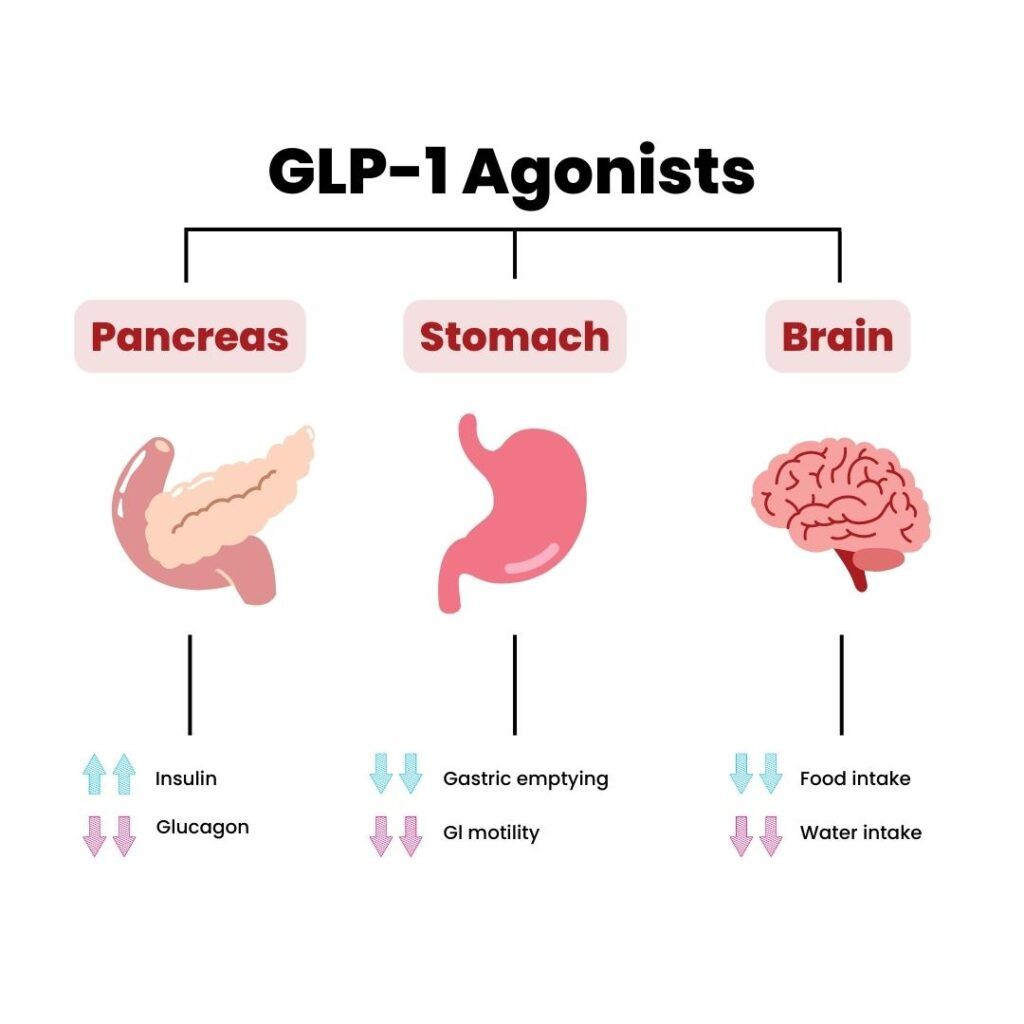
GLP-1 receptor agonists, also known as incretin mimetics, work by targeting GLP-1 receptors, increasing insulin release, decreasing glucagon levels, and delaying gastric emptying. Originally developed for type 2 diabetes management, GLP-1s are increasingly being licensed for weight loss and other cardiometabolic applications.
How do GLP-1 Mimetics Work for Weight Loss?
/GLP-1mimetics, like semaglutide (Ozempic) and tirzepatide (Mounjaro), reduce hunger, improve glucose control, and facilitate weight loss. By targeting the GLP-1 receptor, these medications enhance insulin sensitivity, decrease glucagon levels, and increase feelings of fullness. This synergistic action leads to a more profound metabolic effect, resulting in significant weight loss and improved glucose control.
What are the Benefits of GLP-1 Mimetics for Weight Loss?
- Effective weight loss: GLP-1 mimetics have been shown to induce significant weight loss, often accompanied by improvements in glucose control.
- Improved insulin sensitivity: By enhancing insulin sensitivity, GLP-1 mimetics can help regulate blood sugar levels and reduce the risk of diabetes-related complications.
- Satiety and reduced hunger: GLP-1 mimetics increase feelings of fullness, reducing hunger and cravings, making it easier to stick to a weight loss diet.
- Cardiometabolic benefits: GLP-1 mimetics have been shown to improve cardiovascular risk factors, such as triglycerides, HDL cholesterol, and systolic blood pressure.
What are the Potential Drawbacks of GLP-1 Mimetics for Weight Loss?

While GLP-1 mimetics offer numerous benefits, there are potential drawbacks to consider:
- Muscle loss: Some studies suggest that GLP-1 agonists can lead to muscle loss, which may be detrimental to overall health and weight maintenance.
- Nausea and vomiting: GLP-1 mimetics can cause gastrointestinal side effects, including nausea and vomiting, particularly in the initial stages of treatment.
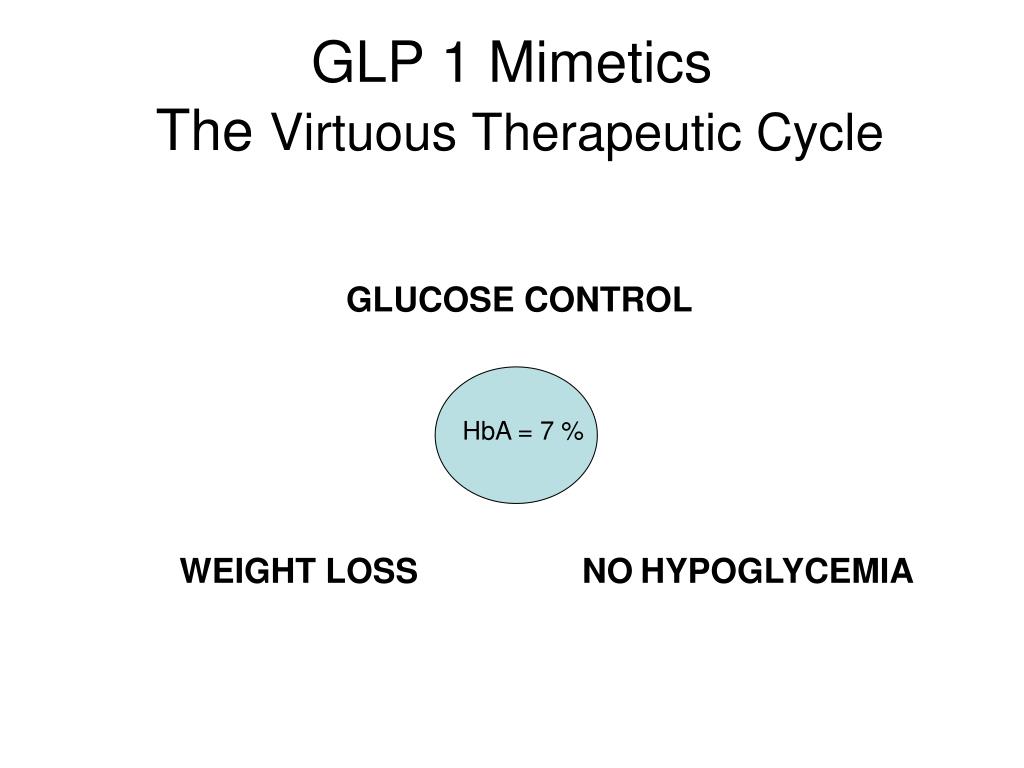
- Increased risk of hypoglycemia: GLP-1 agonists can increase the risk of hypoglycemia, particularly when used in combination with other diabetes medications.
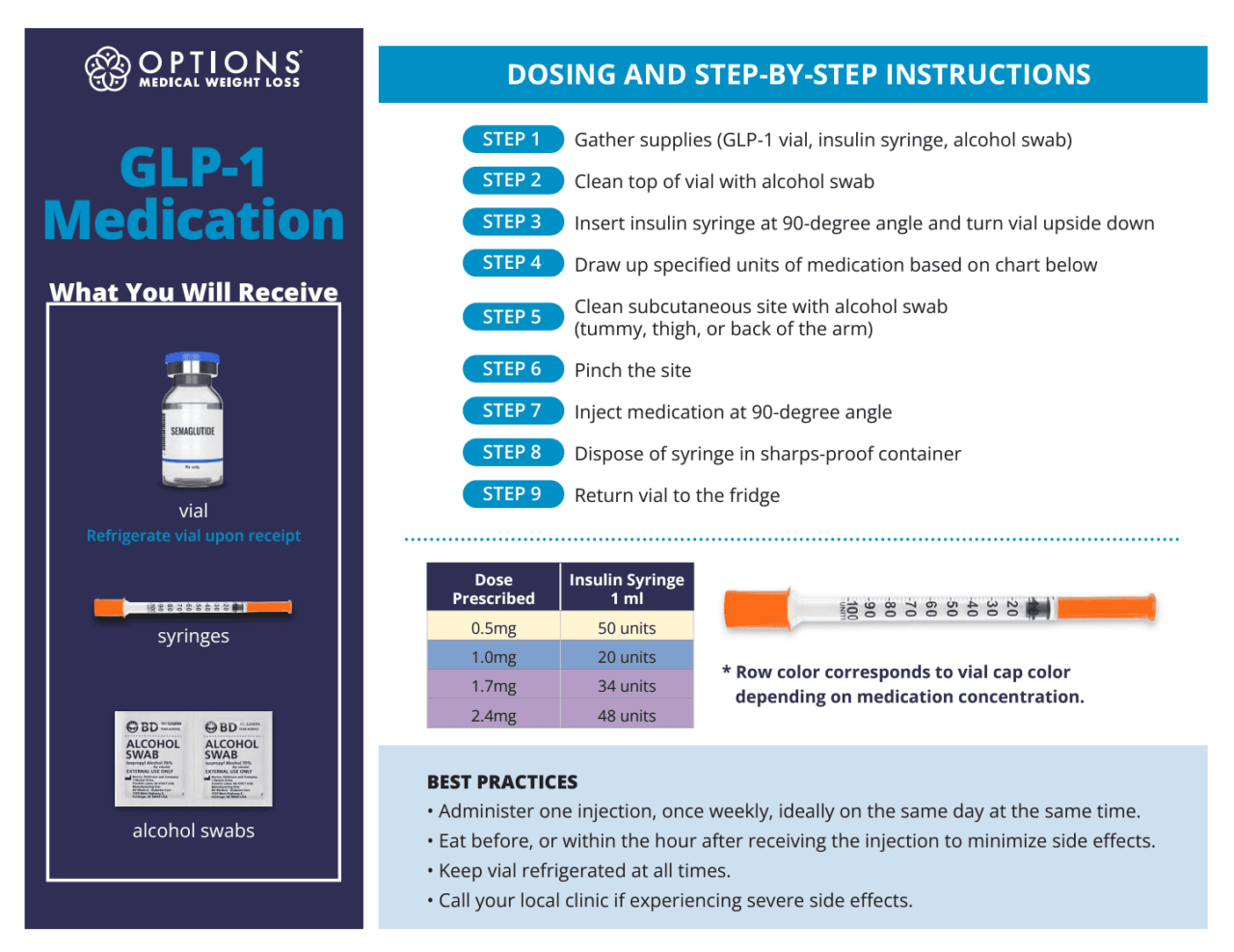
- Cost and convenience: GLP-1 mimetics are typically administered via injection, which can be a barrier to access and adherence for some individuals.
Treatment Considerations for GLP-1 Mimetics for Weight Loss
When considering GLP-1 mimetics for weight loss, it's essential to weigh the benefits and drawbacks, as well as individual factors, such as:
- Medical history: Patients with a history of gastrointestinal disorders or kidney disease may require adjusted dosing or alternative treatment options. li>Concomitant medications: GLP-1 mimetics may interact with other medications, such as sulfonylureas or metformin, requiring careful dose adjustments.
- Initial side effects: Patients may experience initial side effects, such as nausea, vomiting, or headache, which can impact treatment adherence.
Conclusion
GLP-1 mimetics have emerged as a promising solution for weight loss, offering a range of benefits, including improved insulin sensitivity, satiety, and cardiometabolic outcomes. While potential drawbacks, such as muscle loss and gastrointestinal side effects, must be considered, careful treatment selection and monitoring can help minimize these risks. As the landscape of weight management continues to evolve, GLP-1 mimetics will likely play an increasingly important role in obesity treatment.



+GLP-1+mimetic.jpg "GLP-1 pills for weight loss are here. How will they change ... - AAMC")