Long Tail Keyword Strategy for Ecommerce Website: A Complete Guide
As an ecommerce business owner, you're constantly looking for ways to improve your online store's visibility, drive more traffic and increase sales. While broad keywords can be beneficial, long tail keywords are a more targeted approach to reach your ideal customers. In this article, we'll explore the power of long tail keywords for ecommerce websites and provide a step-by-step guide on how to implement a long tail keyword strategy for your online store.
What are Long Tail Keywords?
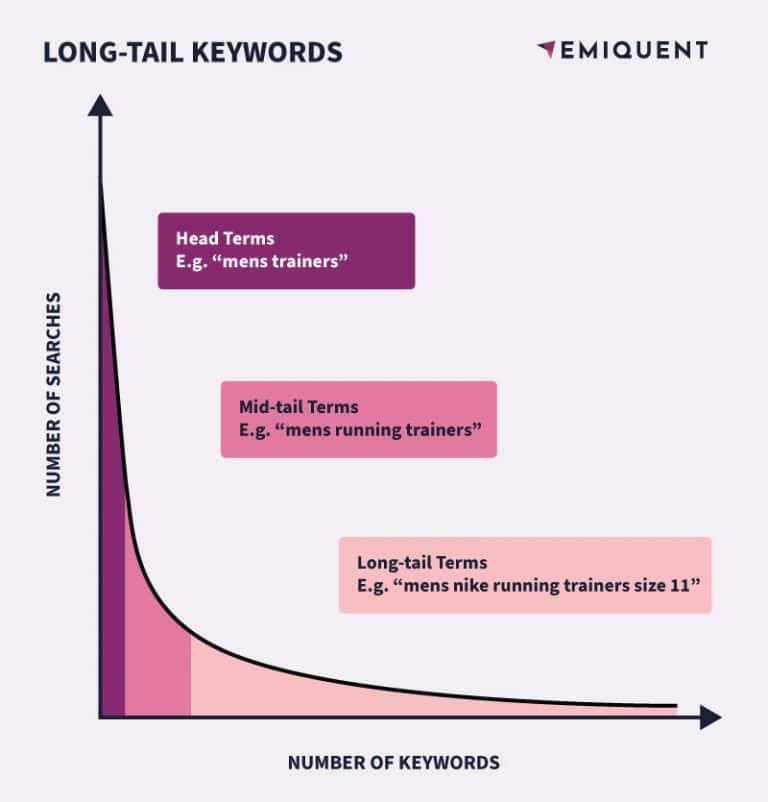
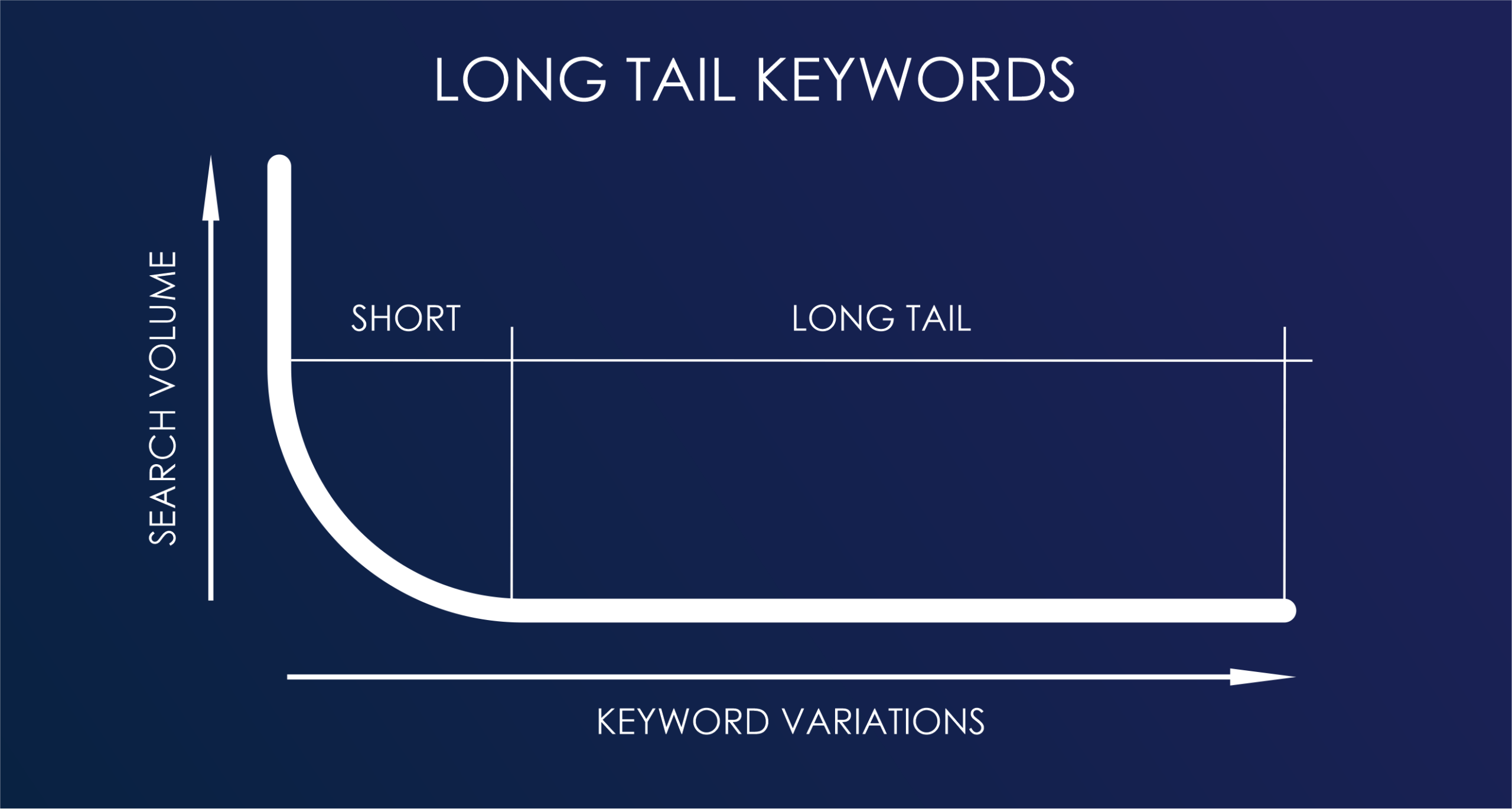
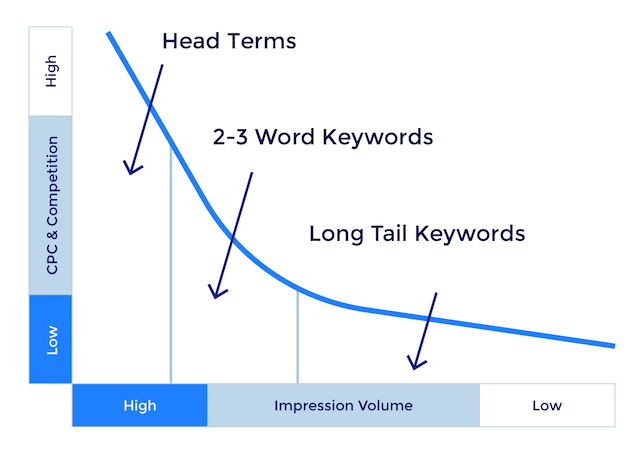
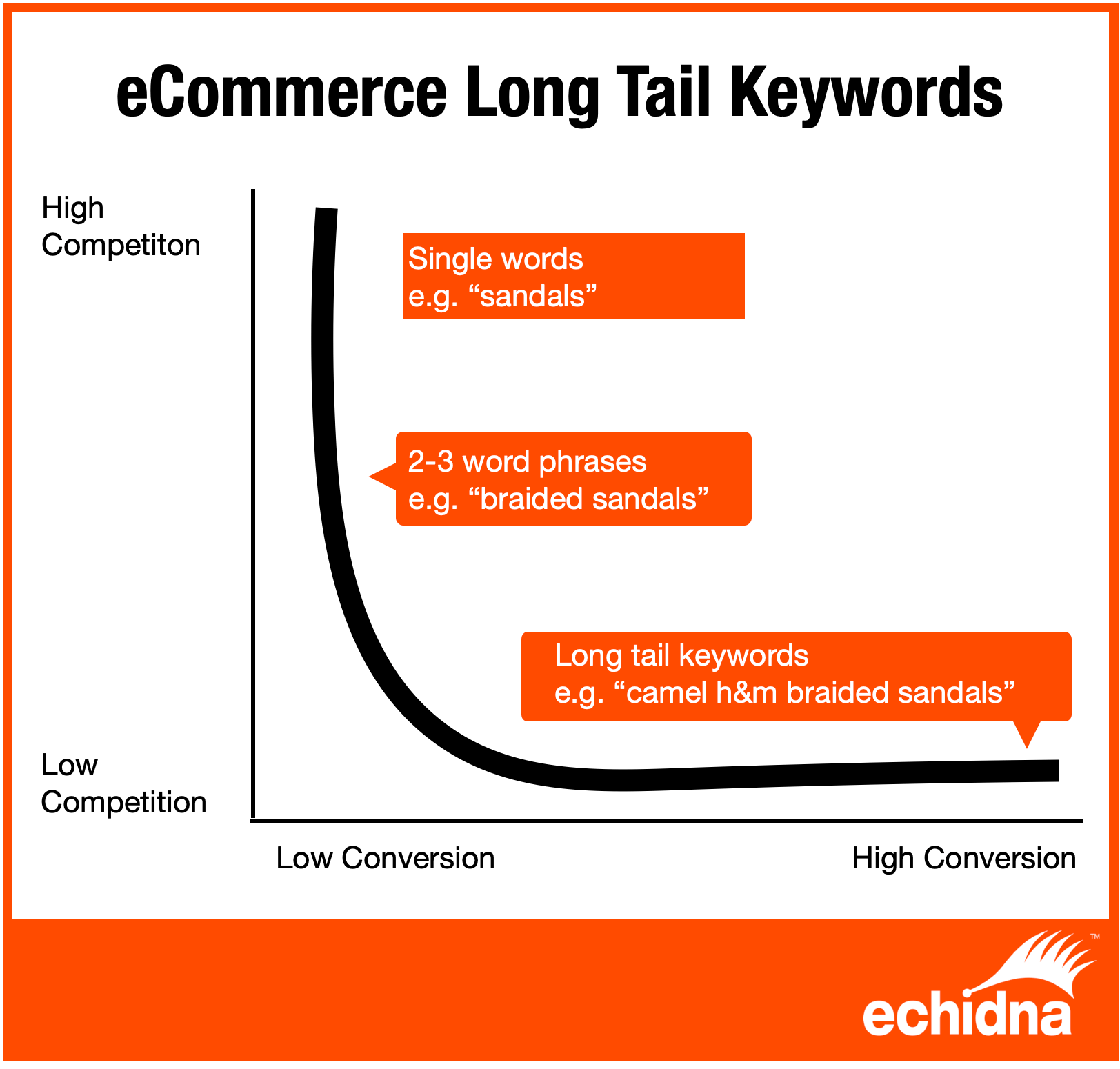
- Long tail keywords are phrases with lower search volume, but more specific and targeted than broad keywords.
- They have clearer intent, making it easier for consumers to find what they're looking for.
- For example, instead of targeting the broad keyword "shoes," you could target "running shoes for flat feet men."
Benefits of Long Tail Keywords for Ecommerce
Using long tail keywords offers several benefits for ecommerce businesses:
- Lower competition: Since long tail keywords are more specific, fewer businesses are competing for the same terms, making it easier for your online store to rank higher in search engine results pages (SERPs).
- Higher conversion rates: Long tail keywords are more targeted, increasing the likelihood of attracting high-intent buyers.
- Improved SEO: By targeting specific keywords, you can improve your website's search engine optimization and drive more organic traffic.
How to Find Long Tail Keywords for Your Ecommerce Website

To find long tail keywords for your ecommerce website, you can use various tools and strategies:
- Keyword research tools: Utilize tools like Google Keyword Planner, SEMrush, and Ahrefs to identify industry-specific keywords with high search volume and low competition.
- ChatGPT: This tool can help you generate a list of long tail keywords related to your brand's niche and seasonal trends.
- Keyword clustering: Group related long tail keywords together to create a cluster, which can help you rank for multiple variations at once.
Step-by-Step Long Tail Keyword Strategy for Ecommerce Websites
Implementing a long tail keyword strategy involves the following steps:
- Step 1: Do Keyword Research: Conduct thorough keyword research for each category to identify relevant long tail keywords.
- Step 2: Analyze Which Long Tail Keywords Need Dedicated Filters: Determine which long tail keywords require dedicated filters to improve user experience and search results.
- Step 3: Personalize the Filter Structure: Tailor the filter structure based on your findings and business needs.
- Step 4: Optimize Product Pages: Use long tail keywords on product pages, titles, and content to improve search engine optimization.
- Step 5: Update Regularly**: Continuously update your long tail keyword strategy by monitoring performance, adjusting filters, and adding new keywords.
Conclusion
Long tail keywords are a powerful way to improve your ecommerce website's visibility, drive targeted traffic, and increase sales. By following the step-by-step guide outlined in this article, you can implement a long tail keyword strategy that targets your ideal customers and sets your business up for success.