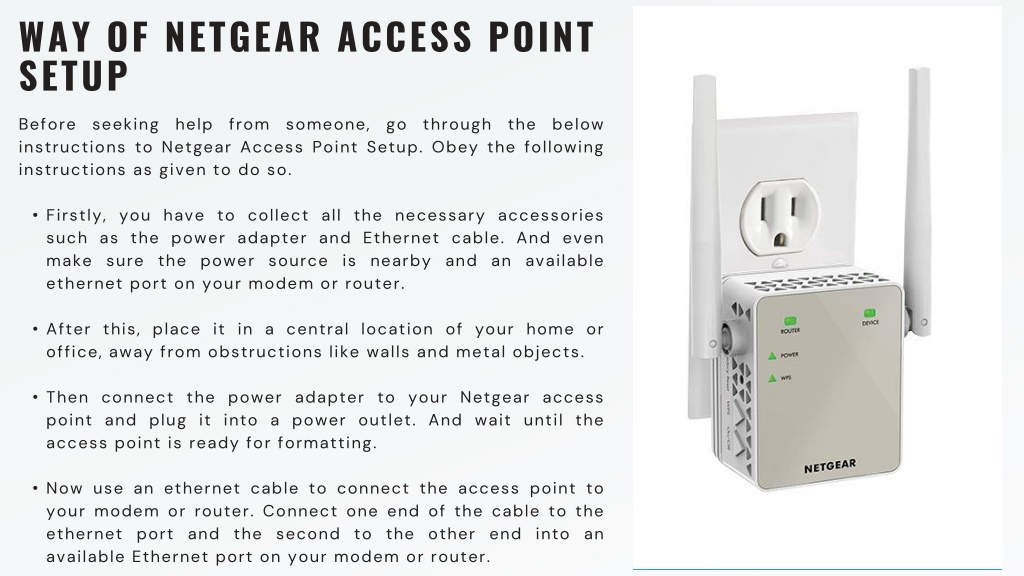
Access Point Setup For Educational Institutions: Expert Insights
As educational institutions continue to evolve and grow, the need for a reliable and secure wireless network is more important than ever. In this article, we'll explore the best practices for configuring wireless access points in educational institutions and provide expert insights to help you get started.
Why is Access Point Setup Important for Educational Institutions?
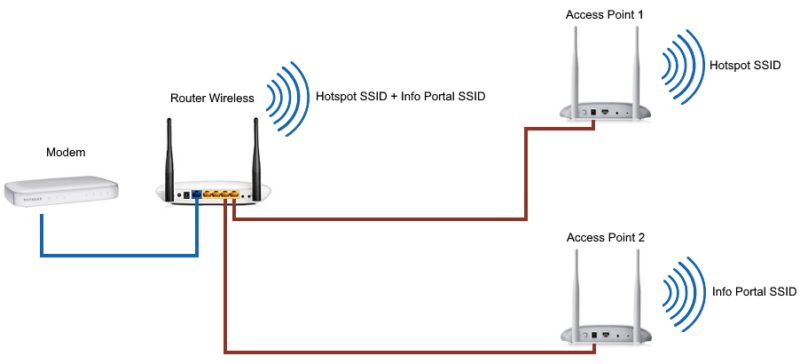
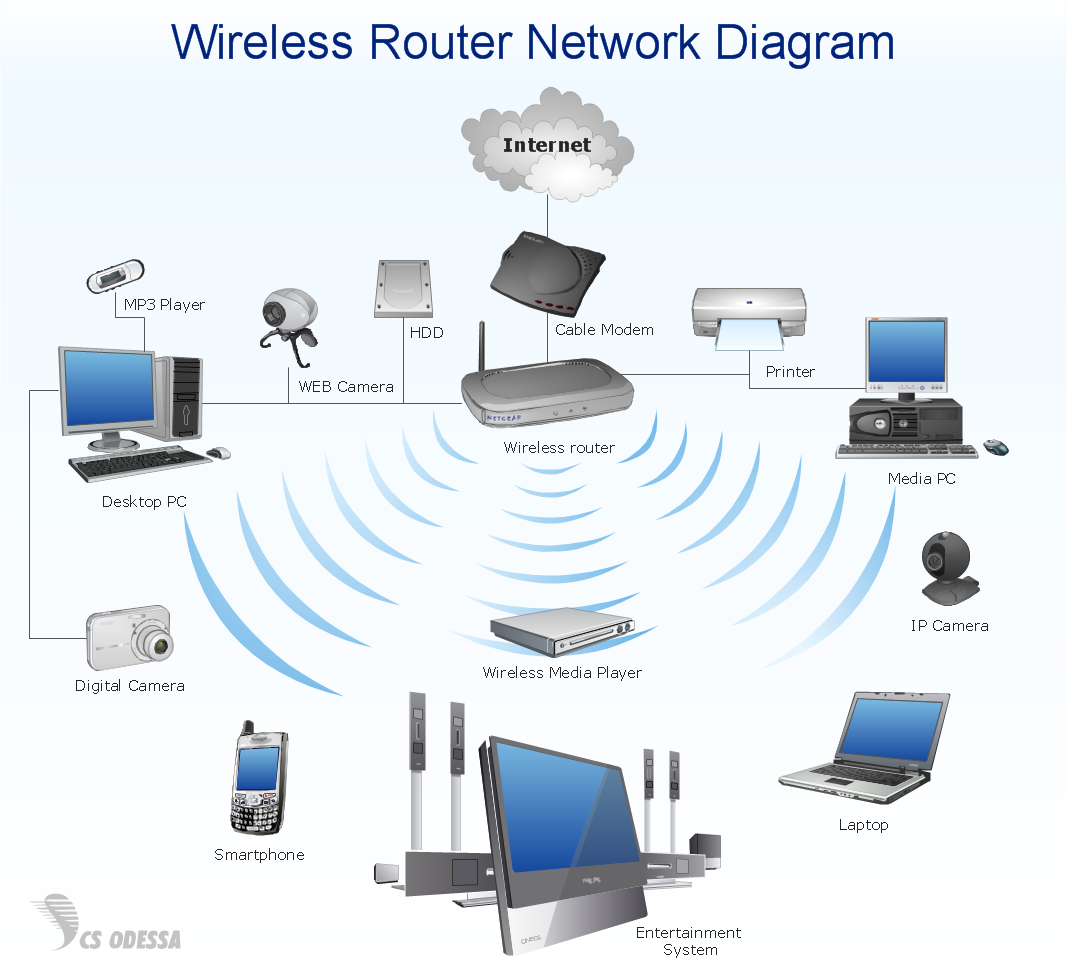
Wireless access points are a crucial component of any educational institution's wireless network. They provide a connection point for students, faculty, and staff to access the internet and digital resources. However, a well-planned and implemented access point setup is essential to ensure that the network operates smoothly and securely.
7-Step Checklist for Access Point Setup
To achieve a reliable and secure wireless network, follow these seven steps:
- Plan coverage and capacity: Determine the number and placement of access points needed to cover the entire campus. Ensure that the access points are sufficient to handle the expected number of users.
- Choose the right equipment: Select access points that support the required number of wireless clients and data rates. Consider the type of devices that will be connected to the network and the types of applications that will be used.
- Design for security: Implement security measures such as WPA2, encryption, and firewalls to protect the network from unauthorized access.
- Set up periodic security audits: Regularly review the network for vulnerabilities and take corrective action to prevent data breaches.
- Segment the network: Divide the network into smaller segments to prevent unauthorized access and reduce the risk of data breaches.
- Monitor and maintain the network: Regularly monitor the network for issues and perform maintenance tasks such as updating firmware and replacing hardware as needed.
- Plan for scalability: Ensure that the access point setup can handle the expected growth in user numbers and data traffic.
Best Practices for Access Point Setup in Educational Institutions
Here are some best practices to consider when setting up access points in educational institutions:
- Place access points in areas with high foot traffic to ensure consistent coverage.
- Use a mesh network setup to provide seamless coverage throughout the campus.
- Implement quality of service (QoS) policies to prioritize critical applications and prevent network congestion.
- Use a wireless network management system to monitor and optimize network performance.
- Regularly update firmware and software to ensure that the access points have the latest security patches and features.
Tools and Solutions for Access Point Setup in Educational Institutions
Here are some tools and solutions that can help with access point setup in educational institutions:
- UniFi: A Wi-Fi solution that provides a comprehensive set of tools for network management and optimization.
- Netgear ProSafe Wireless Management Systems: Automatically discovers all supported access points on the network and mimics the setup process of a single access point for easy, rapid, centralized management.
- LigoWave Wi-Fi solutions: Provides fast and safe connectivity for schools, universities, and colleges, satisfying all internet access and IoT needs.
Conclusion
In conclusion, access point setup is a critical component of any educational institution's wireless network. By following these best practices and using the right tools and solutions, educational institutions can ensure a reliable, secure, and high-performance wireless network that meets the needs of students, faculty, and staff.
Additional Resources
For more information on access point setup in educational institutions, consider the following resources:
- Explore Cisco Meraki Access Points (APs) that support up to 16 SSIDs, each with its own access controls and firewall rules.
- Learn how to configure aaccesspoint with our detailed guide, including setup steps, security tips, and best practices for WiFi networks.
- Get started with Google for Education specialist to create a deployment and implementation plan for your institution.