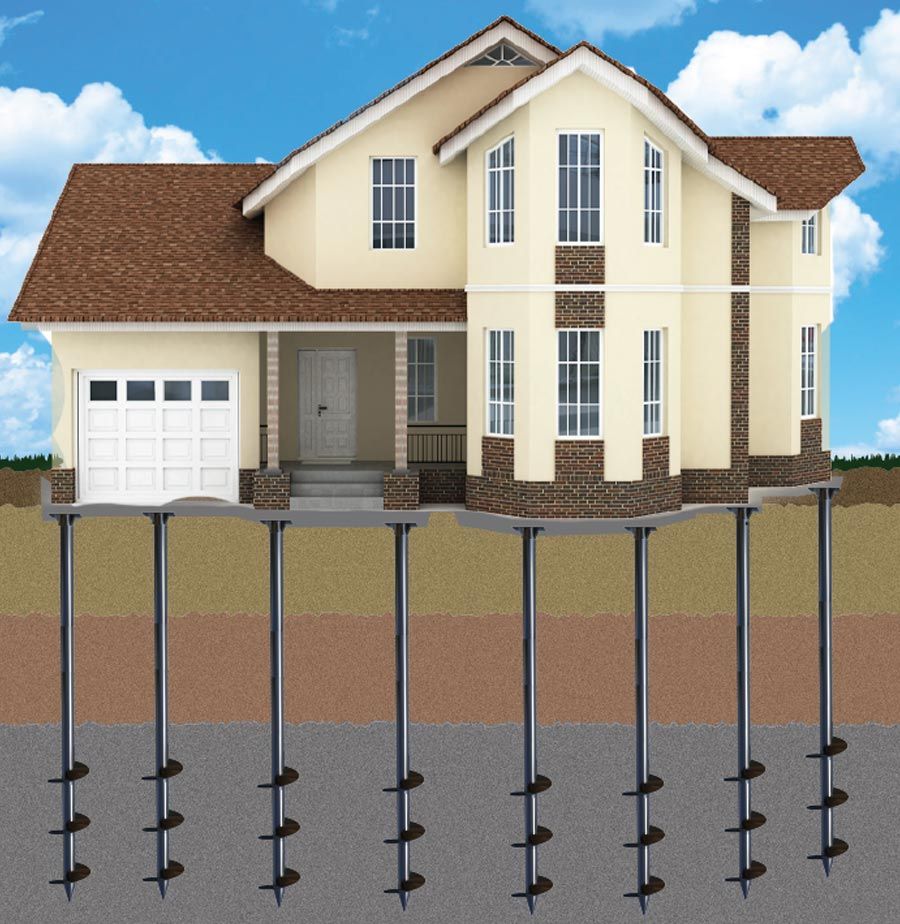
Stabilizing a Weak Foundation: A Comprehensive Guide
A strong foundation is the backbone of any building, and when it becomes weak, it can lead to catastrophic consequences. Foundation instability can result in costly repairs, structural damage, and even safety hazards. In this article, we will delve into the world of foundation stabilization, exploring the causes of weak soil, early warning signs, and the best solutions to fix foundation problems.
Causes of Weak Soil
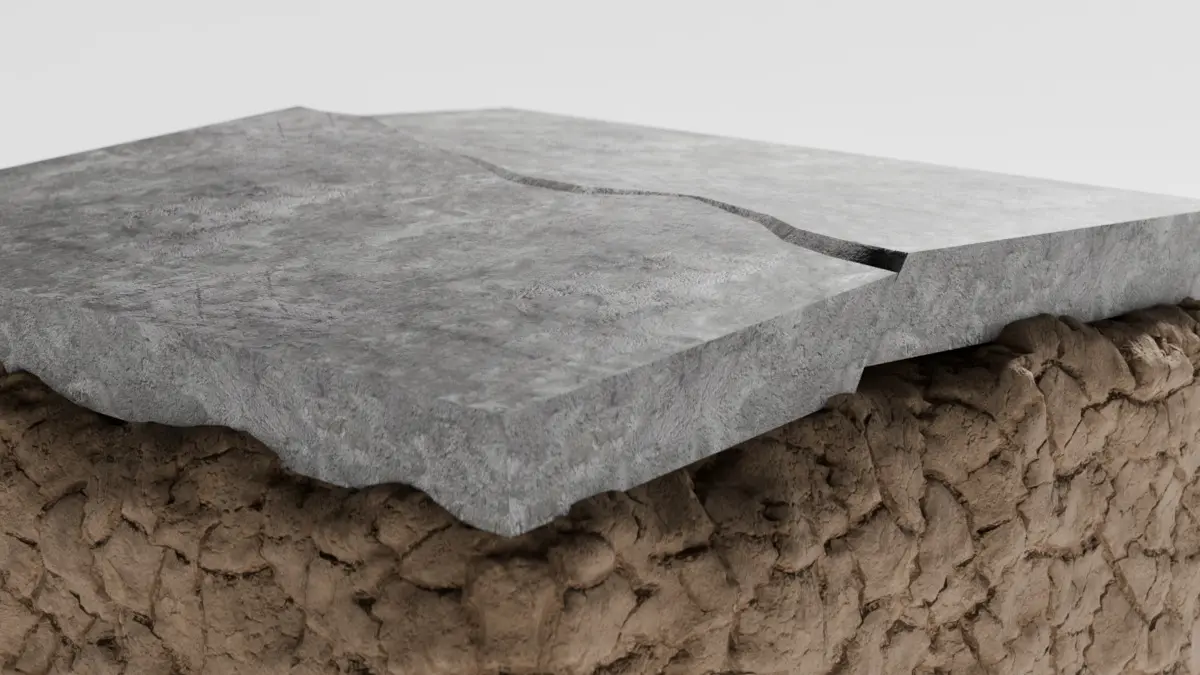
The soil beneath your foundation can be a minefield of potential problems. factors that can weaken the soil and lead to foundation instability include:
- Settling and Erosion: Soil can settle and erode over time, causing the foundation to shift and become unstable.
- Water Damage: Excessive water can seep into the soil, causing it to become saturated and weak.
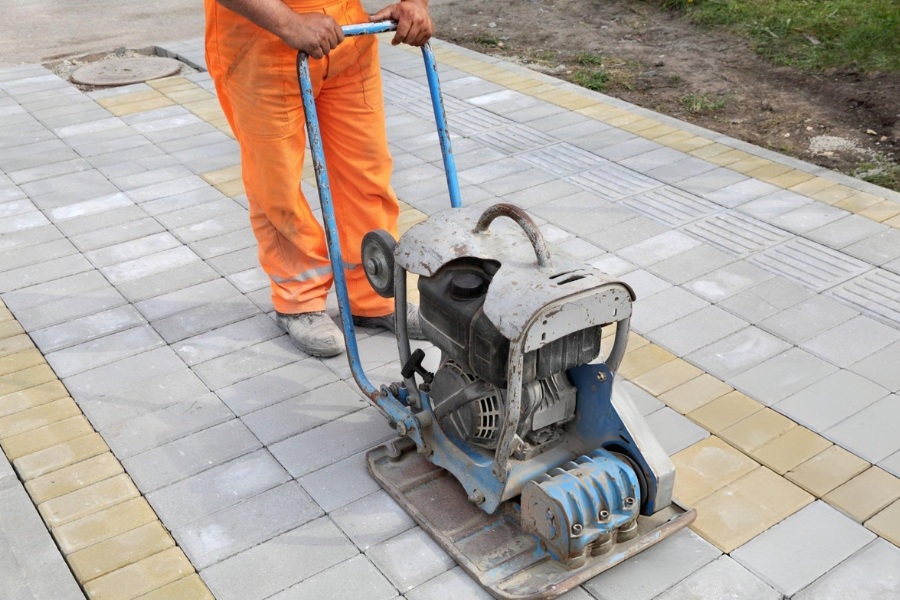
- Poor Soil Compaction: Insufficient compaction during construction can leave the soil in a state of low density, making it prone to settling and erosion.
- Frozen Soil: Frozen soil can cause the foundation to heave, leading to cracks and structural damage.
Early Warning Signs of Foundation Instability
Don't wait until it's too late! Be aware of these early warning signs of foundation instability:
- Cracks in Walls and Ceilings: Hairline cracks can be a sign of settlement, while larger cracks can indicate more severe foundation problems.
- Unlevel Floors: Do you notice that your floors are no longer level or that you have to navigate uneven surfaces?
- Doors and Windows Sticking: This can be a sign that your foundation is shifting.
- Water Leaks: Leaks in your basement or crawl space can indicate water damage and foundation instability.
The Best Methods for Foundation Stabilization
When it comes to stabilizing a weak foundation, there are several methods to consider:
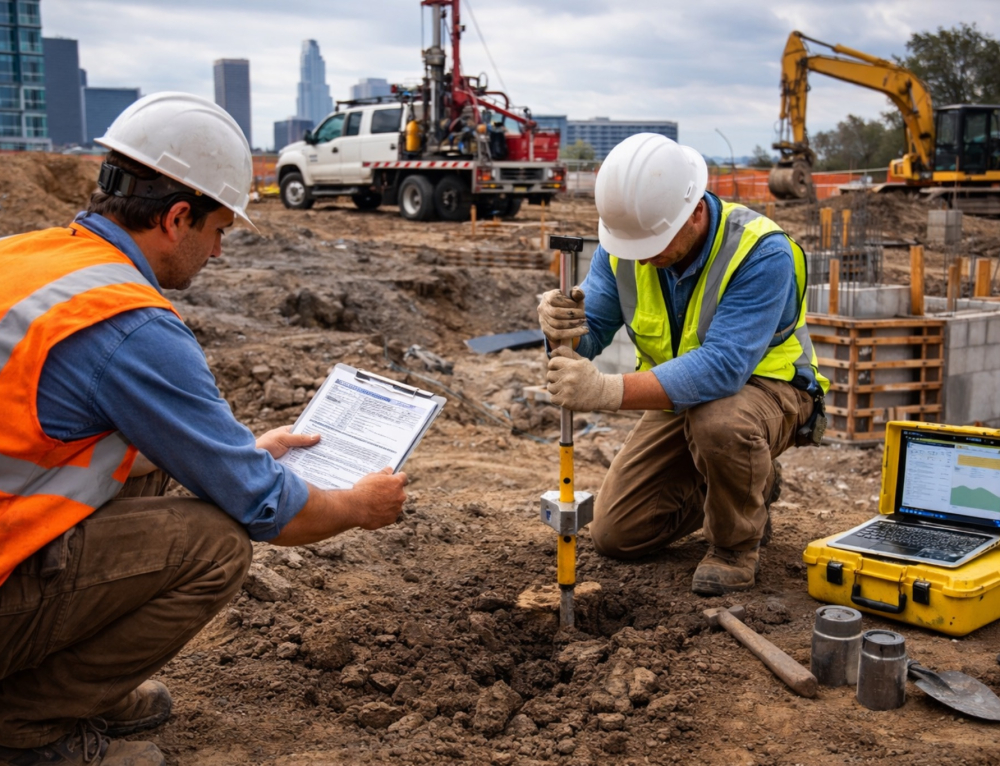
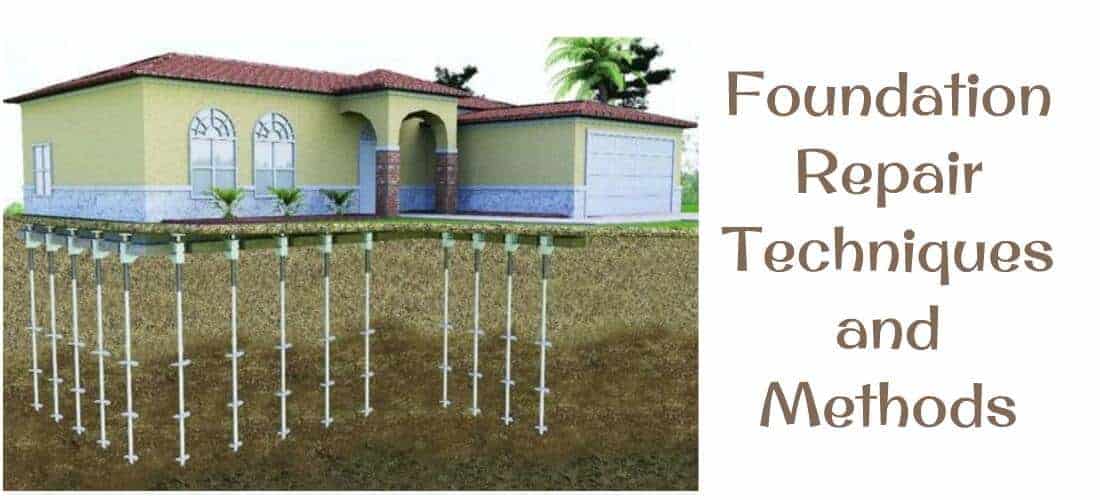
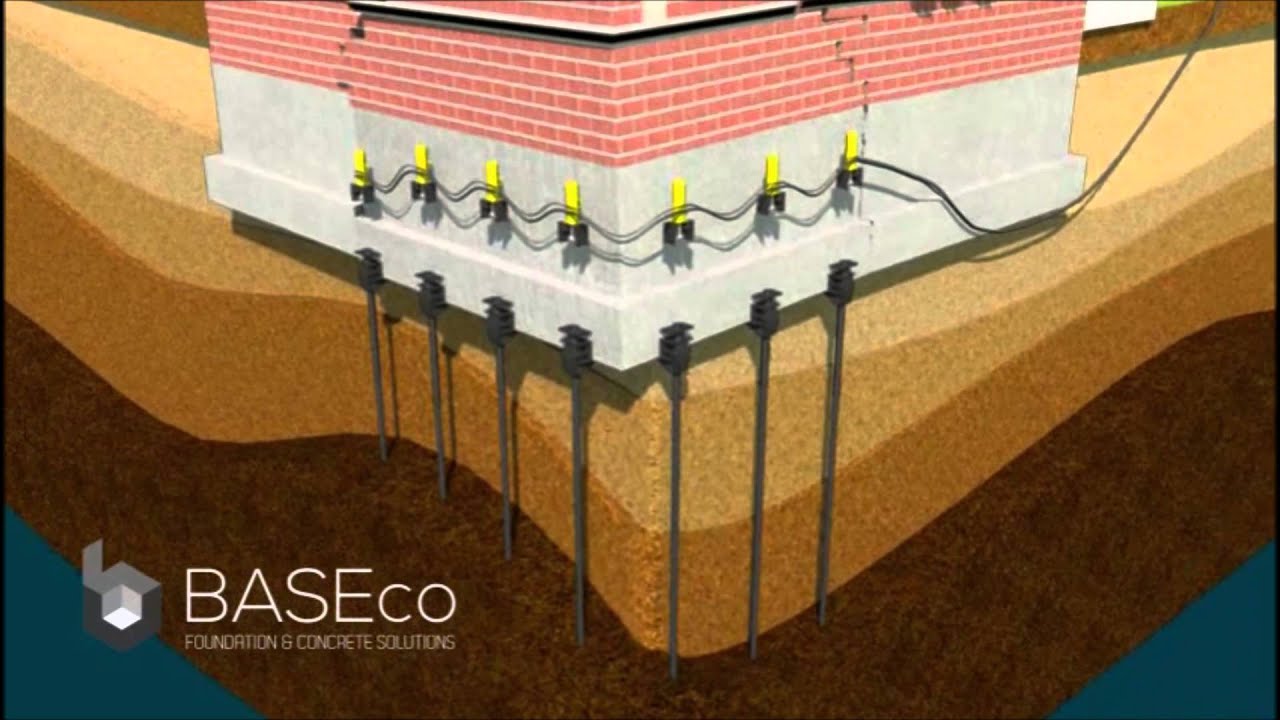
- Underpinning: This involves digging holes under the foundation and installing steel piers to transfer the weight of the building to deeper, more stable soil layers.
- Helical Piers and Anchors: These specialized piers and anchors can be used to stabilize the foundation by transferring the weight of the building to the surrounding soil.
- Slab Jacking: This involves pumping a specialized grout under the slab to raise it back up to its original position.
- Soil Stabilization Techniques: Techniques like compaction, chemical treatment, and geotextiles can prevent settling and erosion and improve soil properties.
Importance of Foundation Stabilization
Foundation stabilization is crucial for maintaining the structural integrity of your home. Neglecting foundation problems can lead to:
- Costly Repairs: Allowing foundation problems to persist can result in expensive repairs and even replacement of the foundation.
- Structural Damage: Foundation instability can cause the building to shift, leading to cracks, uneven floors, and even collapse in extreme cases.
- Safety Hazards: Foundation instability can create safety hazards, such as uneven surfaces and structural damage, which can lead to injuries and even fatalities.
Conclusion
Stabilizing a weak foundation requires a comprehensive approach that takes into account the causes of weak soil, early warning signs, and the best solutions to fix foundation problems. By recognizing the importance of foundation stabilization and taking proactive measures to address foundation instability, you can ensure the safety and longevity of your home.
Seeking Professional Help
Foundations are complex systems that require expertise to diagnose and repair. If you're dealing with foundation problems, don't hesitate to seek help from a professional contractor or engineer. They can assess the situation, provide recommendations, and implement effective solutions to strengthen your foundation and ensure a stable and safe home.
Don't wait until it's too late! Take control of your foundation's stability today and ensure a long-lasting and safe home for years to come.