Basement Water Damage Insurance Claims: A Comprehensive Guide
Experiencing water damage in your basement can be a stressful and overwhelming experience, especially when dealing with insurance claims. In this article, we will provide a comprehensive guide on how to navigate basement water damage insurance claims, including tips, steps, and insights to ensure a smooth and successful claim process.
Understanding the Causes of Basement Water Damage
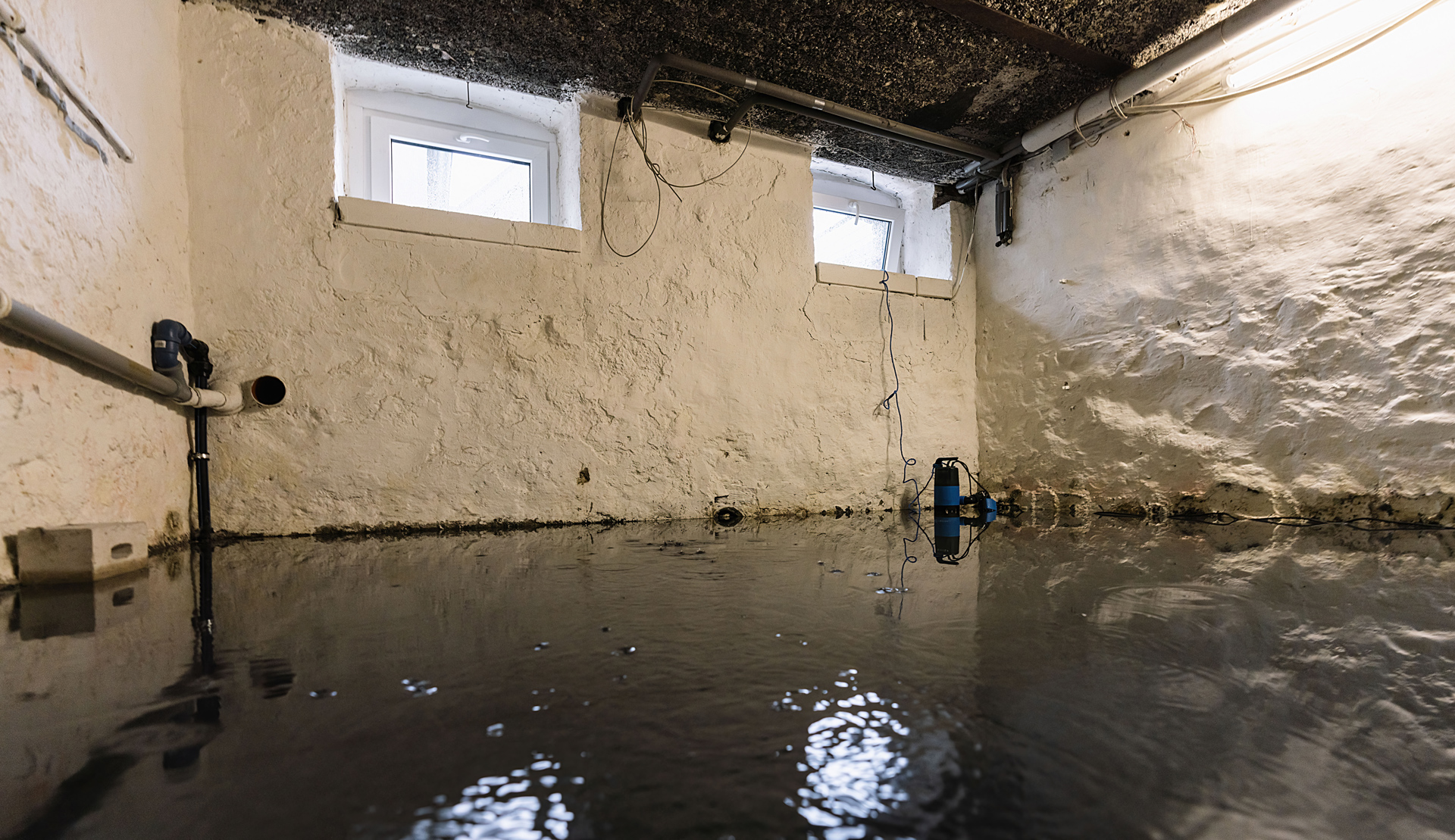
Before diving into the claim process, it's essential to understand the common causes of basement water damage. Water intrusion in basements can result from natural events, such as heavy rainfall or flooding, or structural issues, such as poor drainage or inadequate waterproofing. Other potential causes include appliance failures, burst pipes, and foundation displacement.
- Natural events: Heavy rainfall, flooding, or storm surges
- Structural issues: Poor drainage, inadequate waterproofing, foundation displacement
- Appliance failures: Leaking water heaters, washing machines, or dishwashers
- Burst pipes: Frozen pipes, pipe leaks, or burst water mains
- Foundation displacement: Cracked foundation, settlement, or shifting soil
Basement Water Damage Insurance Claims: What to Expect
When filing a basement water damage insurance claim, you can expect the following steps:
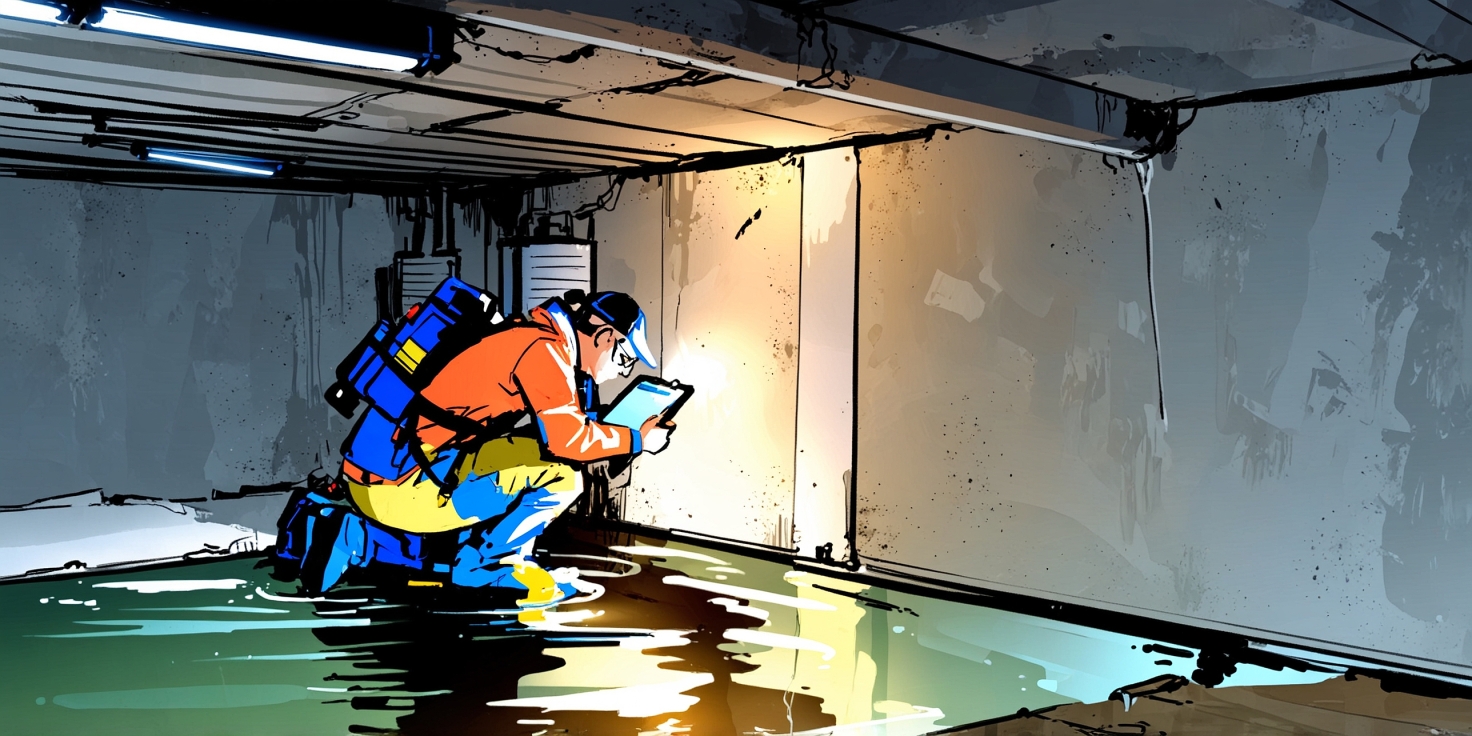
- Initial Assessment: The insurance adjuster will assess the damage and identify the cause of the water damage.
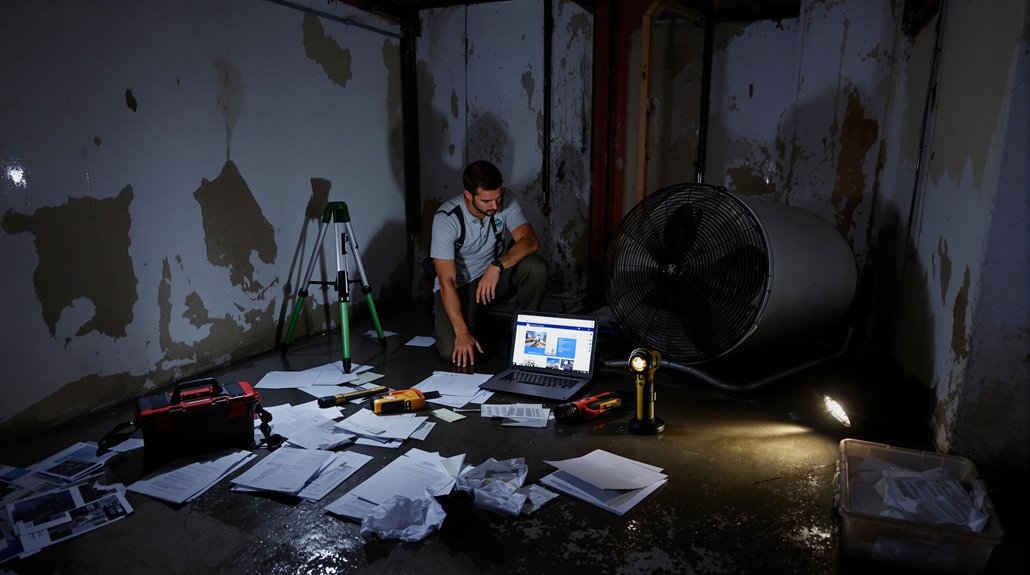
- Documentation: The insurance company will request documentation, including photos, videos, and a detailed inventory of damaged items.
- Claim Submission: You will submit the claim and provide any additional documentation as requested.
- Claims Processing: The insurance company will review and process the claim, which may involve investigations, appraisals, or mediation.
- Settlement: The insurance company will provide a settlement offer, which may be negotiated with your adjuster or attorney.
Water Damage Insurance Claim Tips
To ensure a successful claim process, follow these water damage insurance claim tips:

- Report and document the claim immediately
- Document damage with photos and notes
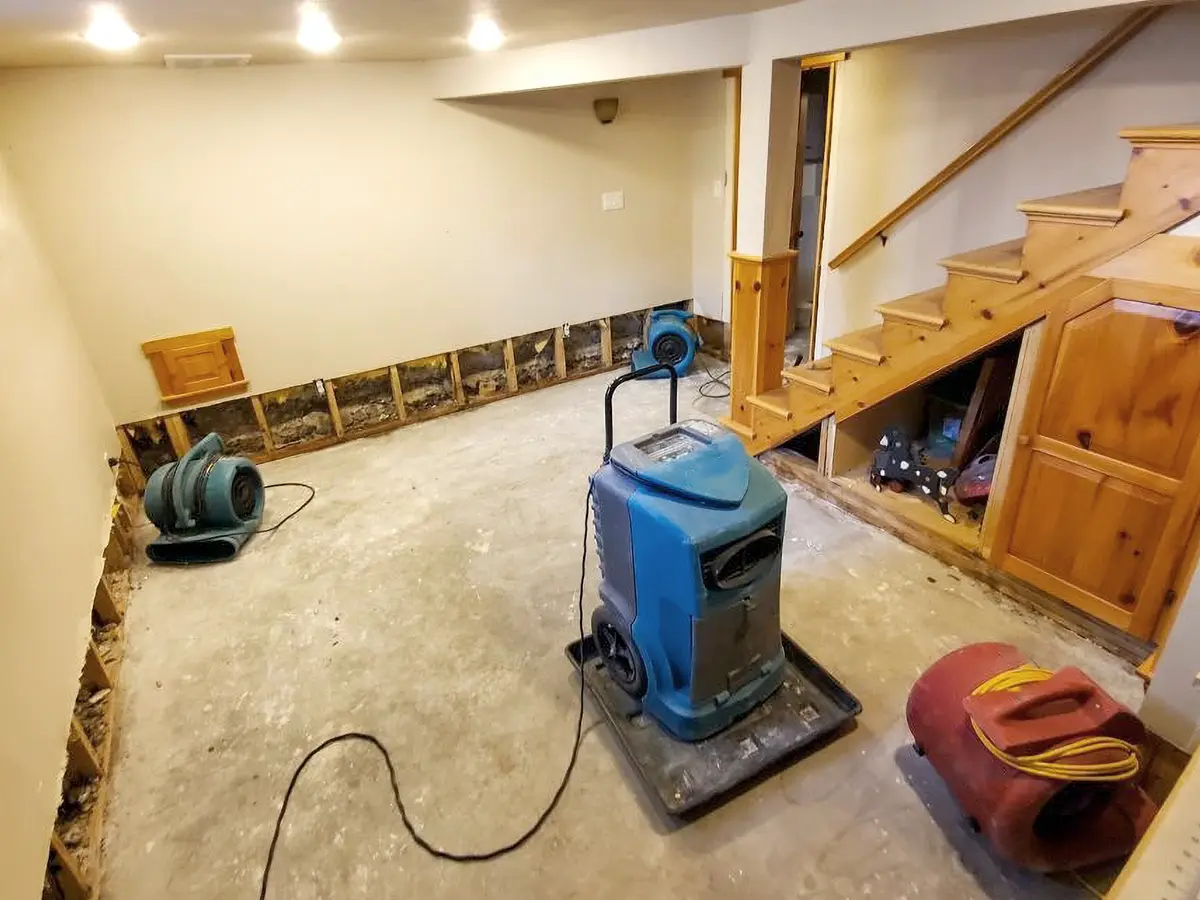
- Mitigate further damage immediately to prevent additional damage
- Maintain a detailed inventory of damaged items
- Keep receipts and records for repairs and replacements
Insurance Coverage for Basement Water Damage
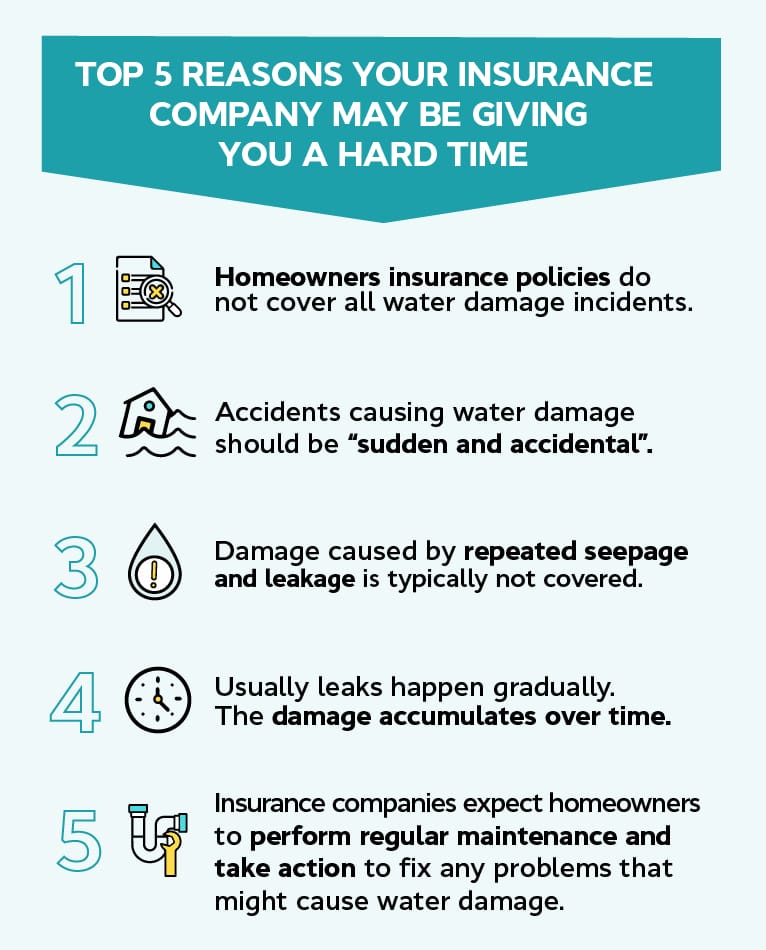
Standard homeowners insurance typically covers sudden and accidental water damage from burst pipes and appliance failures but excludes damage from maintenance issues or gradual leaks. For extensive protection, homeowners may consider additional endorsements or separate policies, such as flood insurance or basement waterproofing coverage.
Filing a Basement Water Damage Insurance Claim: A Step-by-Step Guide
Follow these steps to file a basement water damage insurance claim:
- Stop the water source
- Document the damage
- Report the claim to your insurance company
- Provide documentation and evidence
- Negotiate the settlement offer
- Seek professional assistance if necessary
Conclusion
Dealing with basement water damage insurance claims can be a complex and challenging process. By understanding the causes of basement water damage, knowing what to expect during the claim process, and following water damage insurance claim tips, you can ensure a smooth and successful claim process. Remember to document everything, maintain a detailed inventory of damaged items, and negotiate the settlement offer to get the compensation you deserve.
/how-to-handle-water-damage-claims-3860314-FINAL-5ba50164c9e77c0082224c9c-bd6a3a9cc16d425f8fa20c38feb1f100.png "10 Water Damage Insurance Claim Tips To Maximize Payout")