Carbon Offset Project Implementation Checklist: Ensuring a Successful Journey to a Greener Future
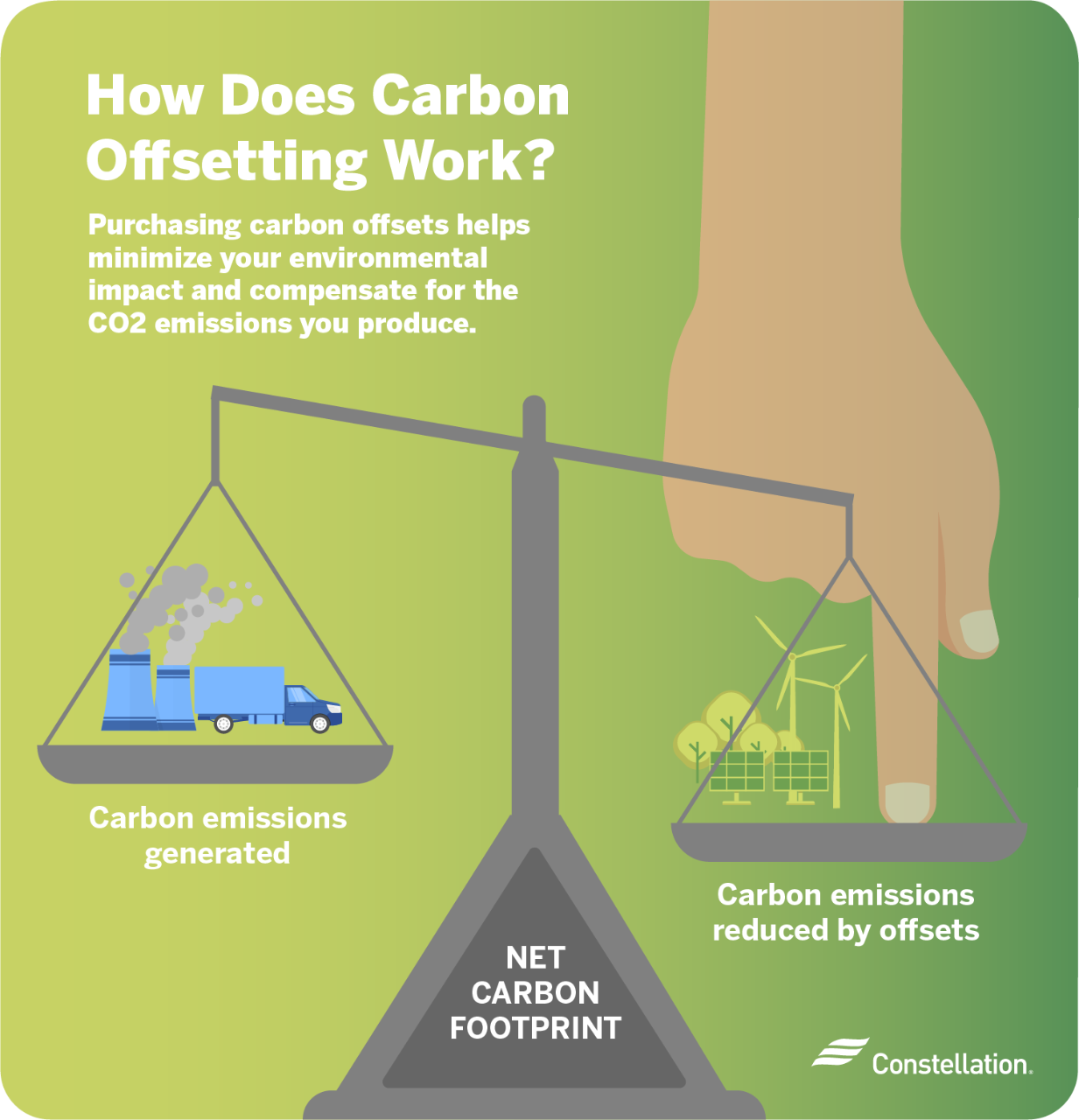
The rising concerns of climate change have compelled companies and individuals to explore various measures to reduce their carbon footprint. One of the most effective solutions is carbon offsetting, which involves compensating for greenhouse gas emissions by investing in projects that reduce or remove emissions. However, to ensure a successful carbon offset project, it is crucial to implement a structured approach. In this article, we will provide a comprehensive Carbon Offset Project Implementation Checklist to guide you through the process.
Summarizing the Carbon Offset Project Implementation Process
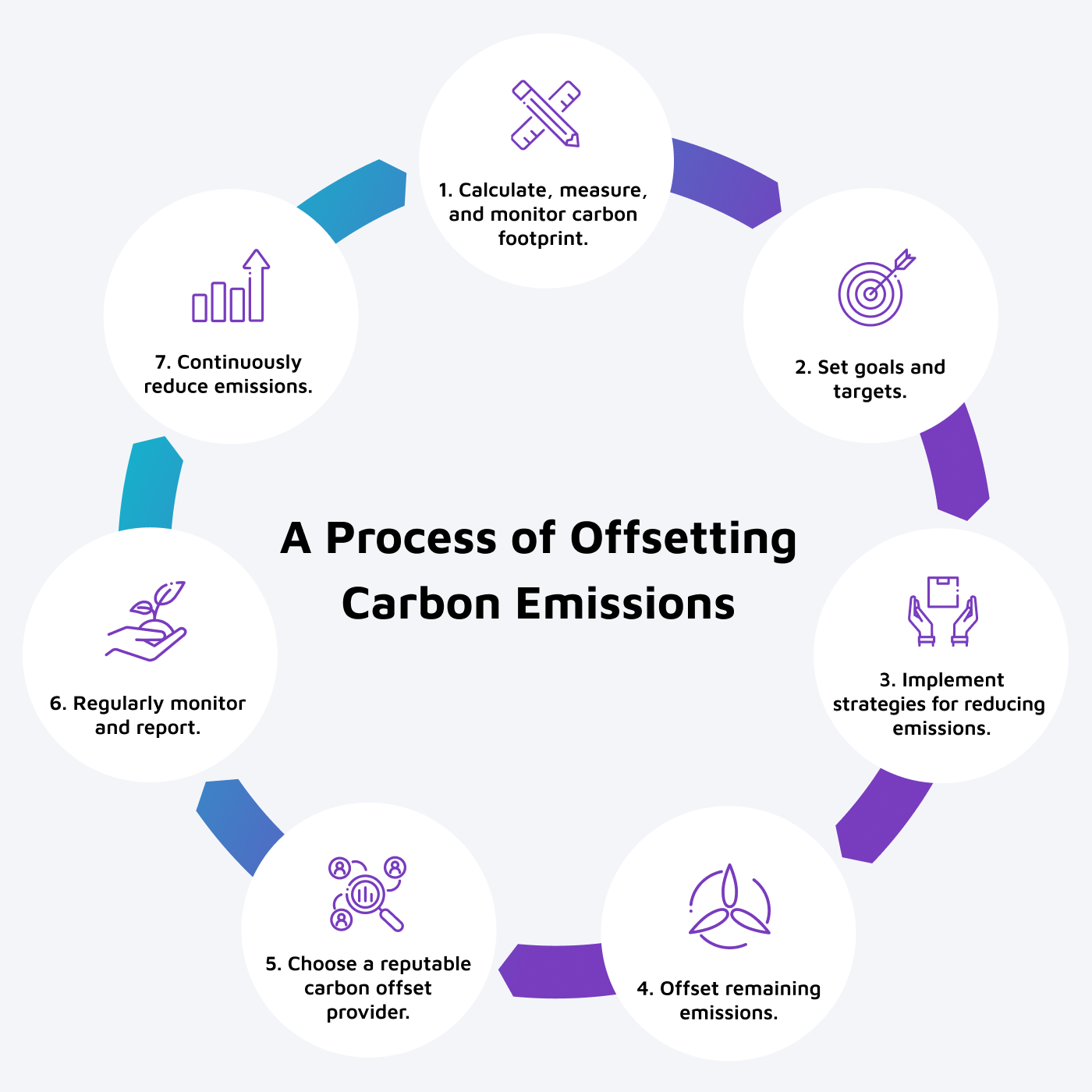
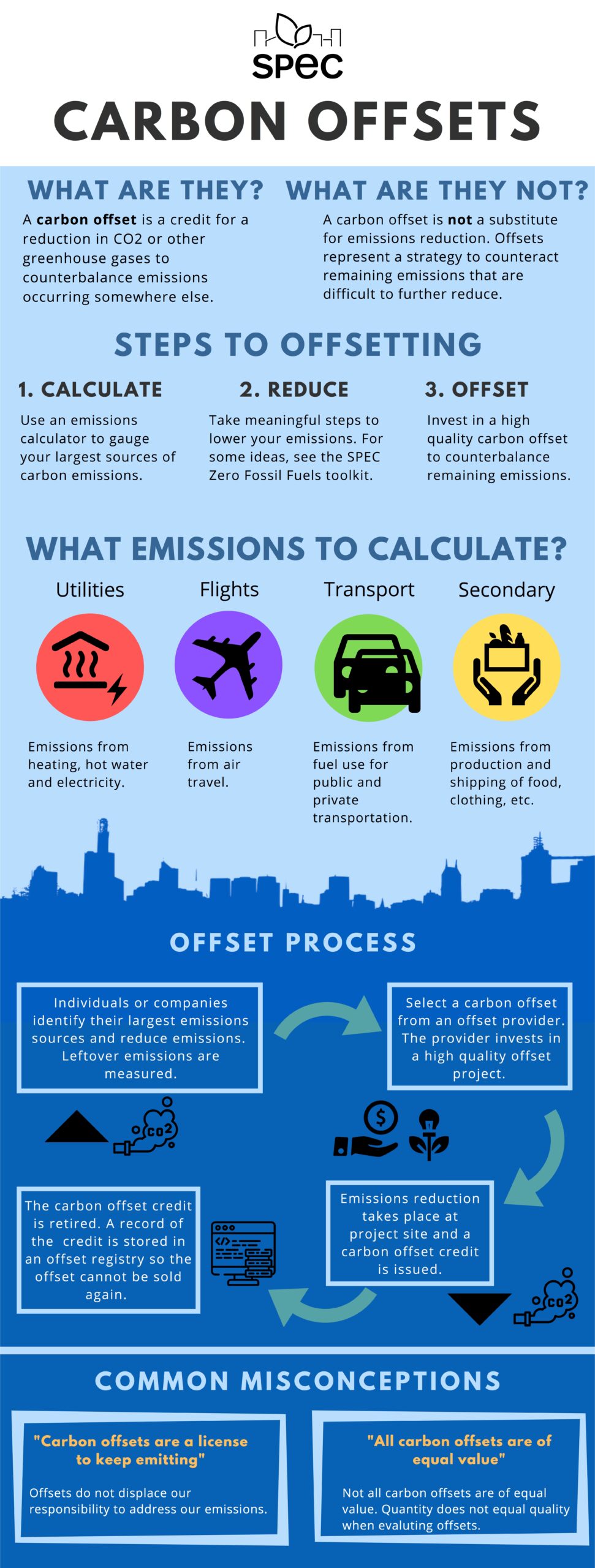
Implementing a carbon offset project requires careful planning and execution. The process can be summarized as follows:
- Project Development and Design: The first step involves designing and developing a project according to a selected registry standard.
- Verification and Certification: Once the project is designed, it undergoes verification and certification to ensure compliance with the registry standard.
- Project Implementation: After certification, the project is implemented, and emissions reduction or removal is measured and verified.
- Credit Issuance: Once the project is implemented, carbon credits are issued to the project proponent.
- Retirement of Credits: Finally, the credits are retired, marking the end of the project's lifecycle.
Key Considerations for a Successful Carbon Offset Project Implementation
Here are key considerations to ensure a successful carbon offset project implementation:
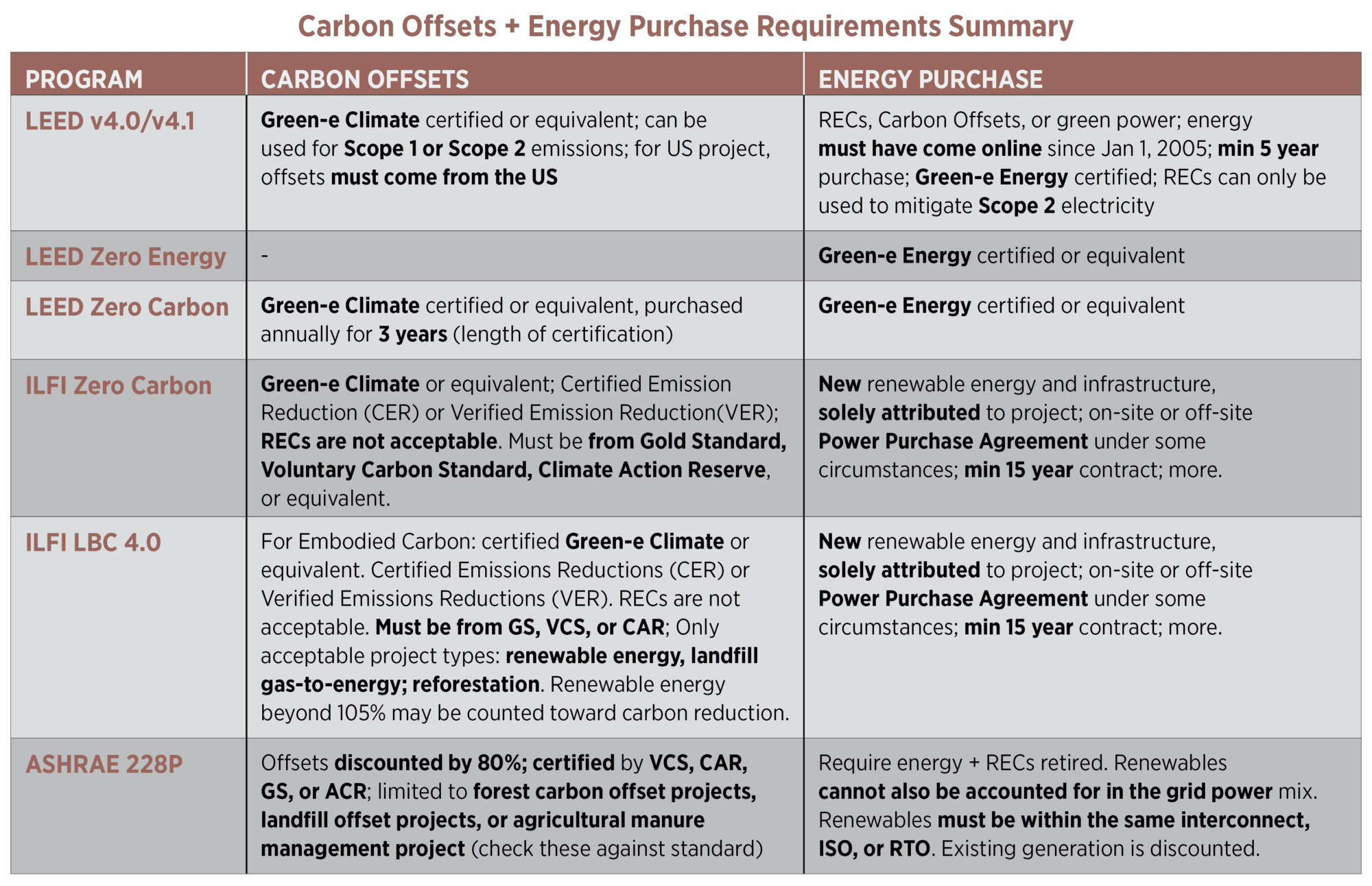
- Choose a Register-approved Protocol:** Select a protocol approved by a reputable registry, such as the Verified Carbon Standard (VCS) or the Gold Standard.
- Conduct a Feasibility Study:** Assess the project's feasibility, including its technical, financial, and environmental viability.
- Engage with Stakeholders:** Involve local communities, project affected people, and other stakeholders in the project's planning and implementation.
- Ensure Environmental and Social Integrity:** Ensure that the project meets the highest environmental and social integrity standards. li>Monitor and Report on Project Progress:** Regularly monitor and report on project progress, including emissions reduction or removal.
Overcoming Challenges in Carbon Offset Project Implementation
Despite the benefits of carbon offsetting, there are several challenges that can hinder the implementation process. Some of the common challenges include:
- Methodology and Protocol Complexity:** Understanding project protocols and methodologies can be intricate and time-consuming.
- Cost and Funding:** Carbon offset projects require significant funding, which can be a challenge for many organizations.
- Stakeholder Engagement:** Engaging with local communities and other stakeholders can be complex and time-consuming.
Best Practices for Carbon Offset Project Implementation
Here are some best practices to ensure successful carbon offset project implementation:
- Develop a Strong Project Concept:** Ensure that the project concept is well-defined and aligns with the project's goals.
- Engage with Experienced Professionals:** Collaborate with experienced professionals, including carbon offset specialists, to ensure a smooth implementation process.
- Conduct Regular Monitoring and Reporting:** Regularly monitor and report on project progress, including emissions reduction or removal.
Conclusion
Implementing a carbon offset project requires careful planning, execution, and ongoing monitoring. By following the Carbon Offset Project Implementation Checklist outlined in this article, organizations can ensure a successful journey to a greener future.
Call to Action
Are you ready to implement a carbon offset project? Contact us today to learn more about our carbon offsetting services and let us guide you through the implementation process.