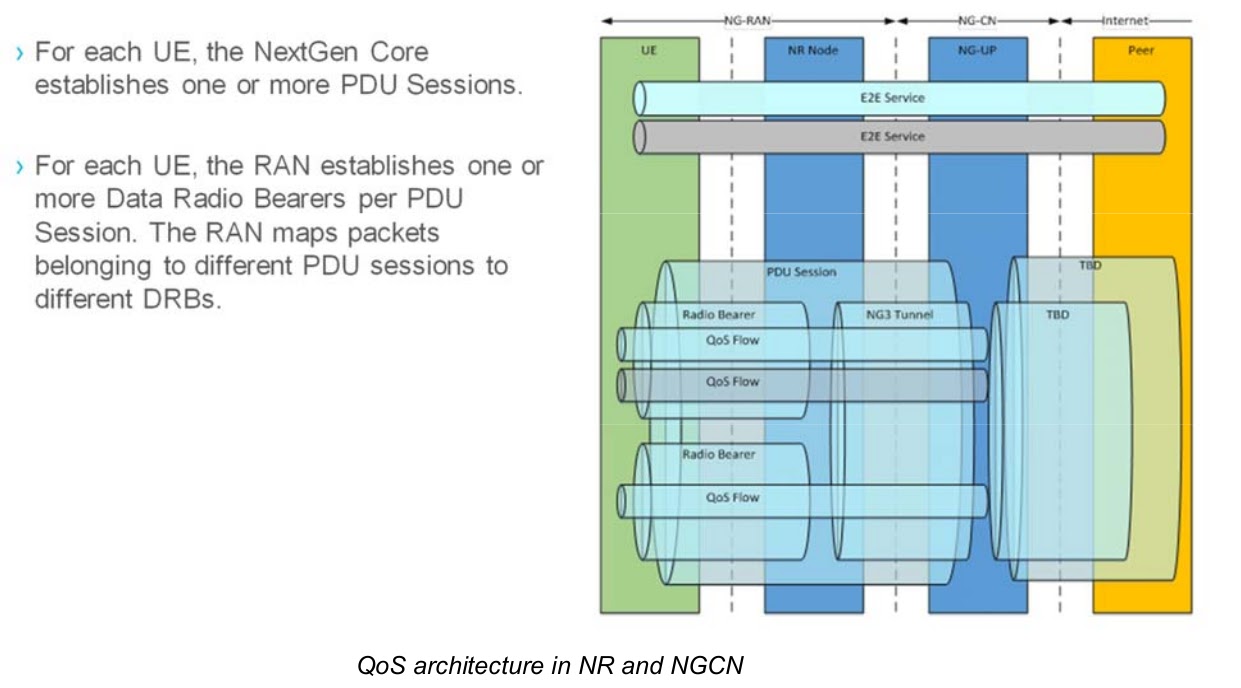
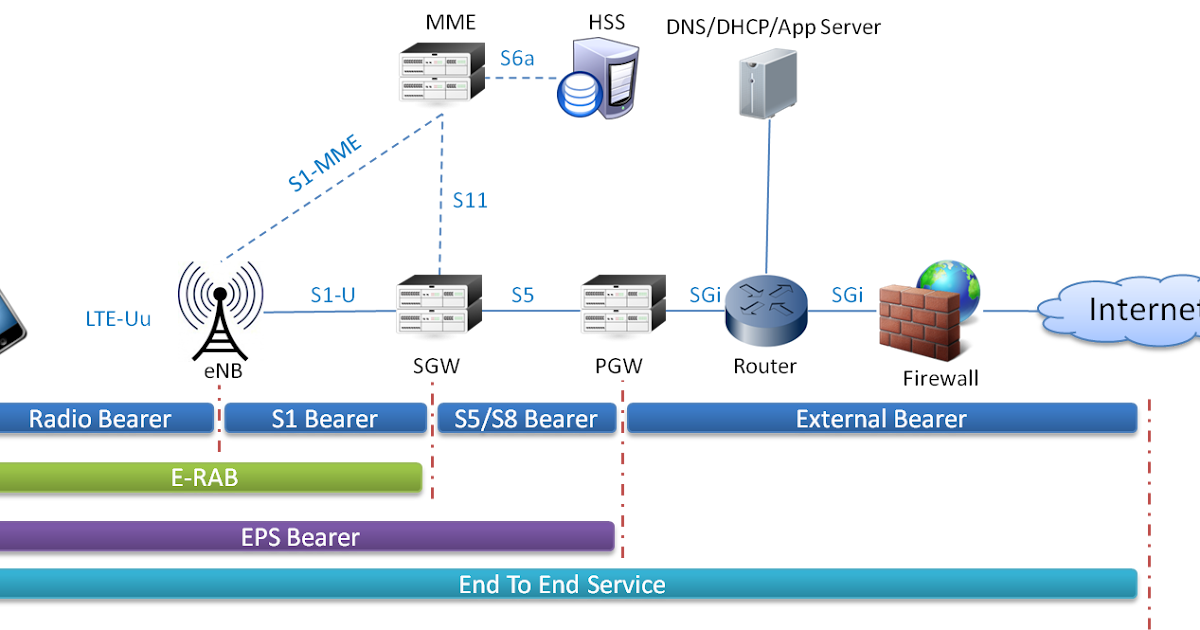
Configuring a G Network for QoS (Quality of Service)
Introduction to QoS
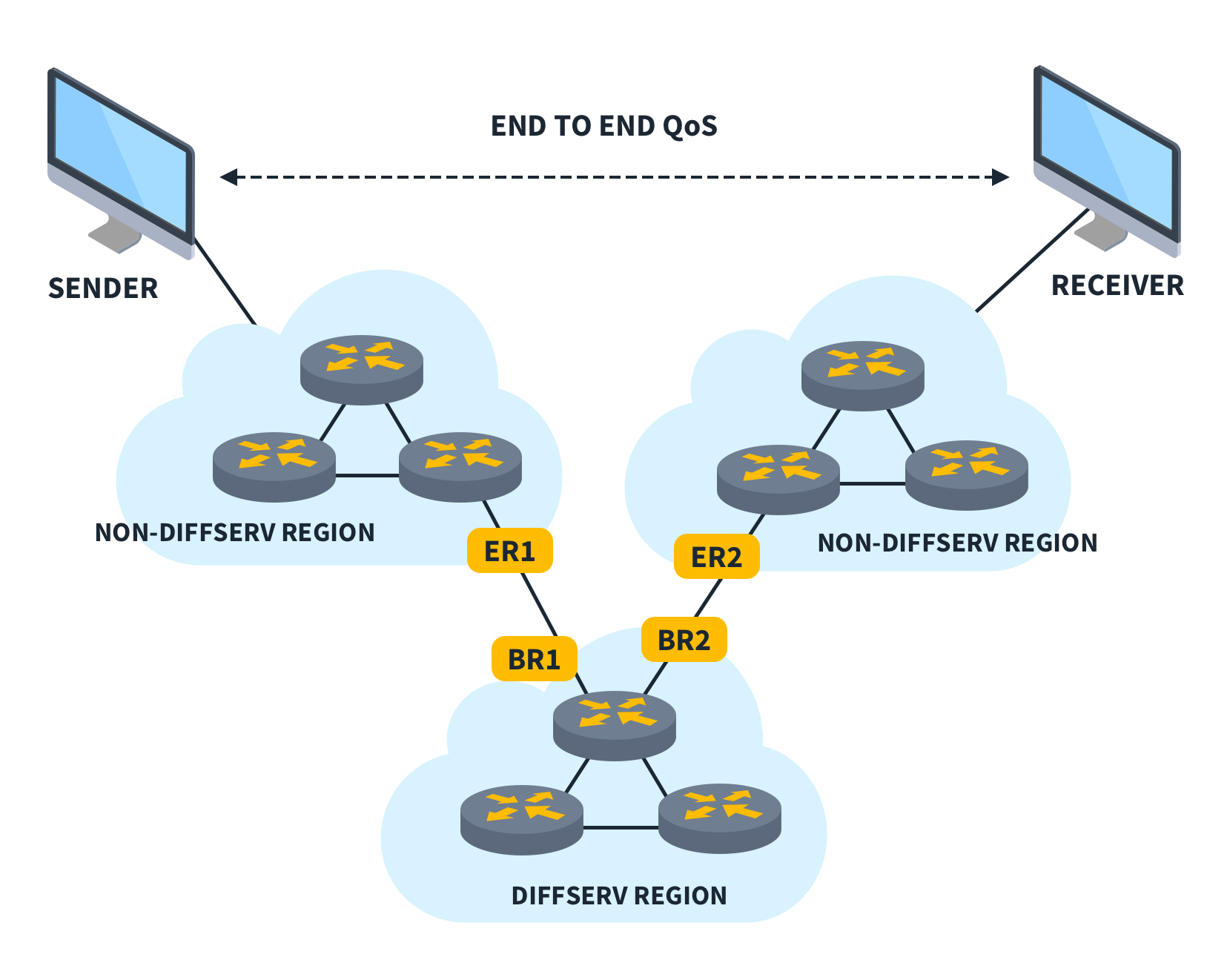
Quality of Service (QoS) refers to the enhancement of network service for selected traffic across technologies like Ethernet, Frame Relay, and IP-routed networks. Configuring a G network for QoS (Quality of Service) allows you to ensure that your applications receive predictable service levels, including data throughput capacity (bandwidth), latency variations (jitter), and delay.
How QoS Works
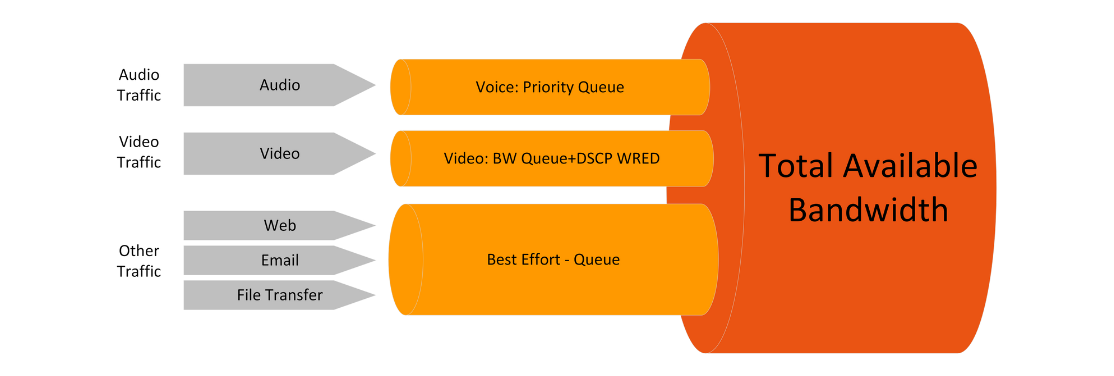
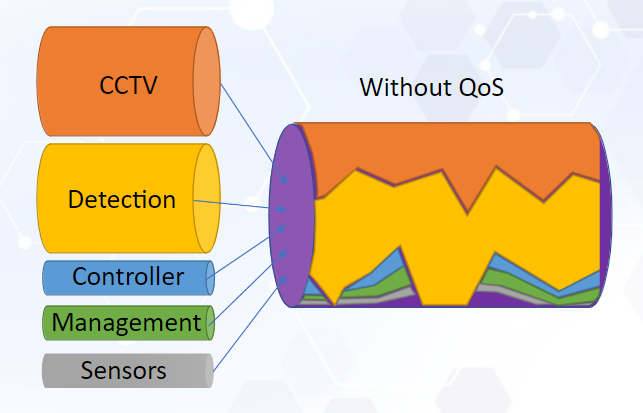
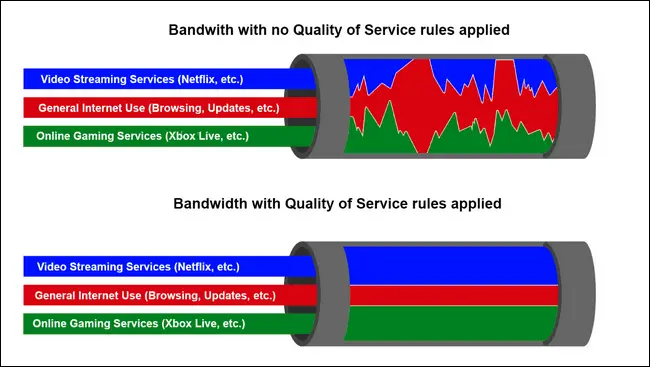
QoS manages network traffic to ensure the optimal delivery of important applications and services. It does this by prioritizing traffic and managing bandwidth allocation, preventing resource starvation and ensuring a predictable and efficient network environment. QoS is often used in applications such as online gaming, video conferencing, and voice over IP (VoIP).
Benefits of QoS
- Improved performance for critical applications
- Predictable and efficient network environment
- Prevents resource starvation and ensures optimal delivery of important applications and services
- Maximizes ROI on network infrastructure
Key Components of QoS
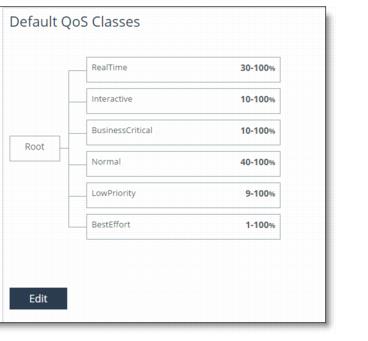
- Classification: Identifies traffic types and assigns them to a respective class of service.
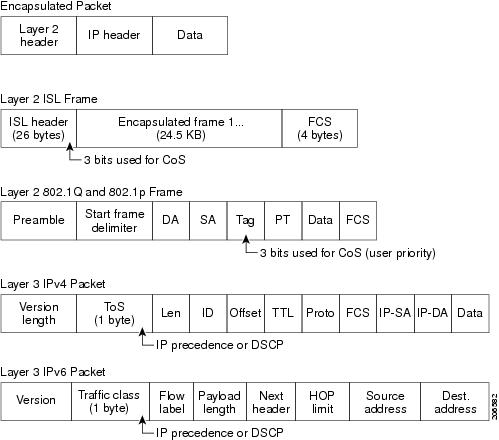
- Marking: Assigns a DSCP (DiffServ Code Point) value to mark packets, indicating their priority and service level.
- Queuing: Manages traffic by controlling the order in which packets are transmitted.
- Congestion avoidance and shaping: Prevents network congestion and ensures a consistent flow of traffic.
- Policing: Enforces network policies by regulating the transmission rate of traffic.
Step-by-Step Guide to Configuring QoS
Step 1: Identify Network Requirements
Determine the QoS requirements of your network by identifying the applications and services that require prioritization and the expected traffic patterns.
Step 2: Classify Traffic
Classify traffic based on the identified requirements and assign the respective DSCP values to mark packets.
Step 3: Configure Queuing
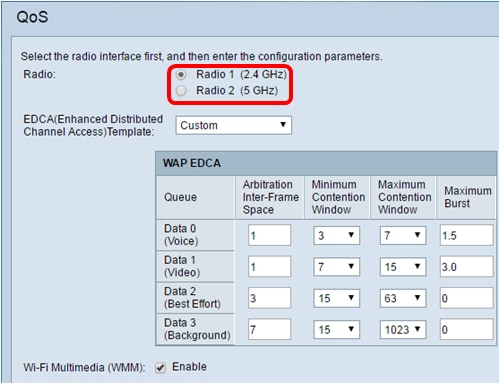
Configure queueing to manage traffic and control the order in which packets are transmitted.
Step 4: Implement Congestion Avoidance and Shaping
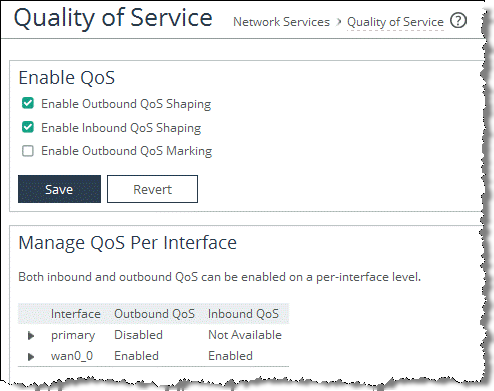
Implement congestion avoidance and shaping to prevent network congestion and ensure a consistent flow of traffic.
Step 5: Enforce QoS Policies
Employ policing to enforce network policies and regulate the transmission rate of traffic.
Configuring QoS on Popular Network Devices
Configuring QoS (Quality of Service) on different network devices
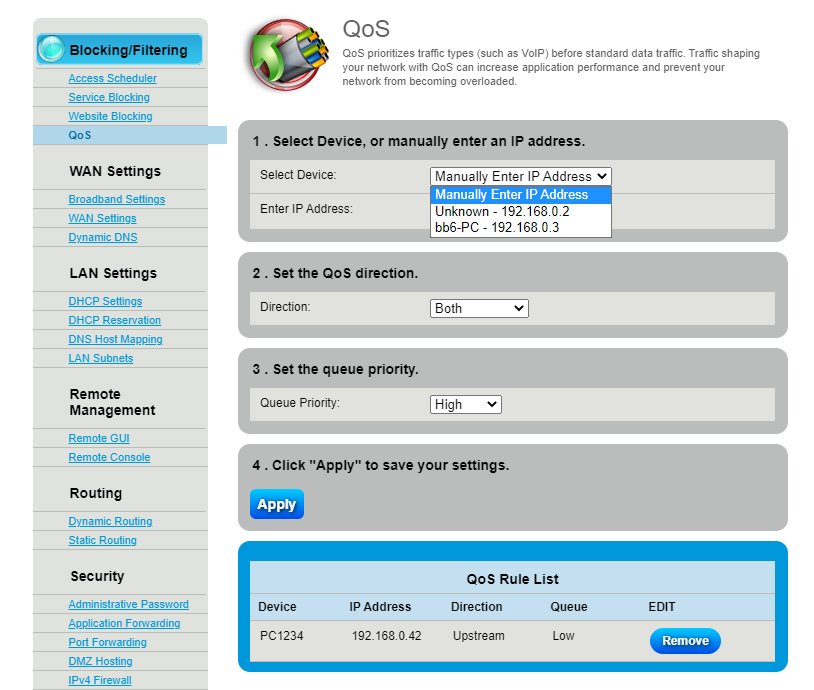
While configuring QoS on different network devices, there are some key points to remember: Several network devices support QoS (Quality of Service) software. Start by identifying the QoS requirements of your network.
Configuring QoS on Cisco Devices
When configuring QoS on Cisco devices, you can use the class-map command to create a class map to identify traffic, and the pipe queue-limit and bandwidth commands to configure queue limits and bandwidth allocation.
Configuring QoS on Juniper Networks Devices
When configuring QoS on Juniper Networks devices, you can use the class-of-service command to configure QoS, and the queue-depth command to configure queue depths.
Conclusion
Configuring a G network for QoS (Quality of Service) ensures that your applications receive predictable service levels, including data throughput capacity (bandwidth), latency variations (jitter), and delay. By prioritizing traffic and managing bandwidth allocation, QoS prevents resource starvation and ensures a predictable and efficient network environment.
Best Practices for QoS Configuration
- Regularly monitor and adjust QoS configurations to ensure optimal performance.
- Implement QoS policies that align with business needs and service level agreements.
- Ensure that QoS policies are enforced consistently across the network.
- Monitor network traffic and adjust QoS configurations as needed.