GLP-1 Medication and Synovial Joint Function: Understanding the Relationship
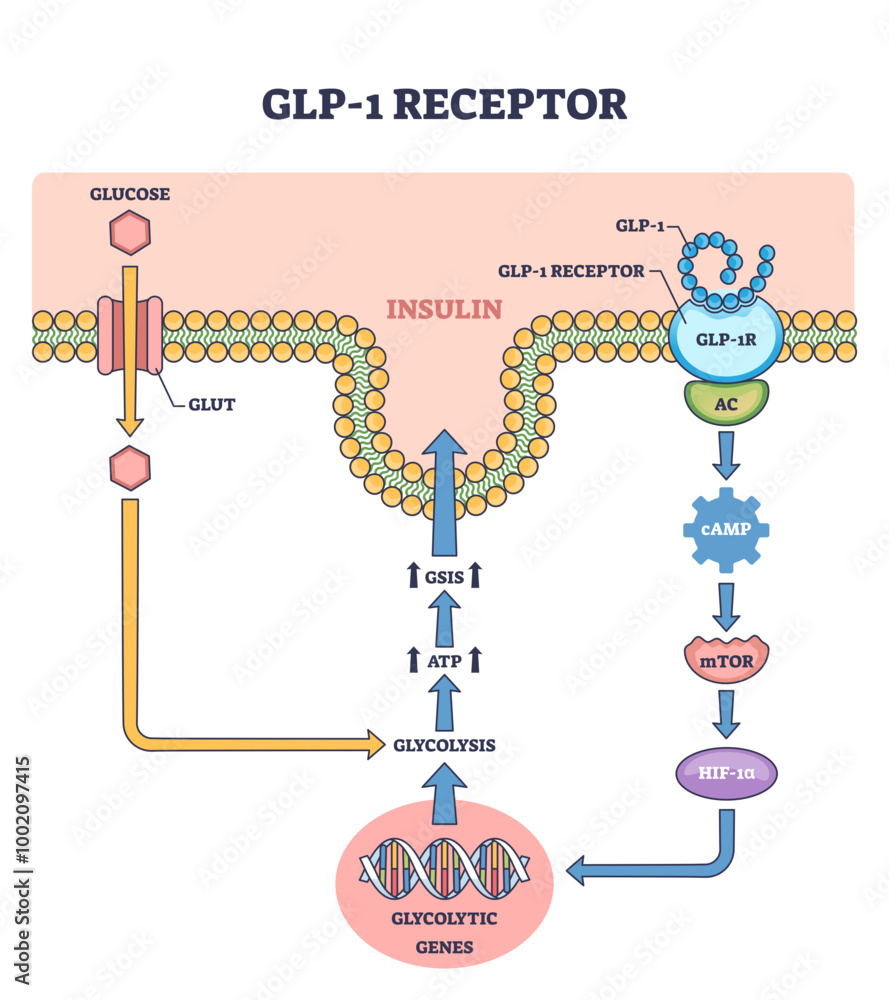
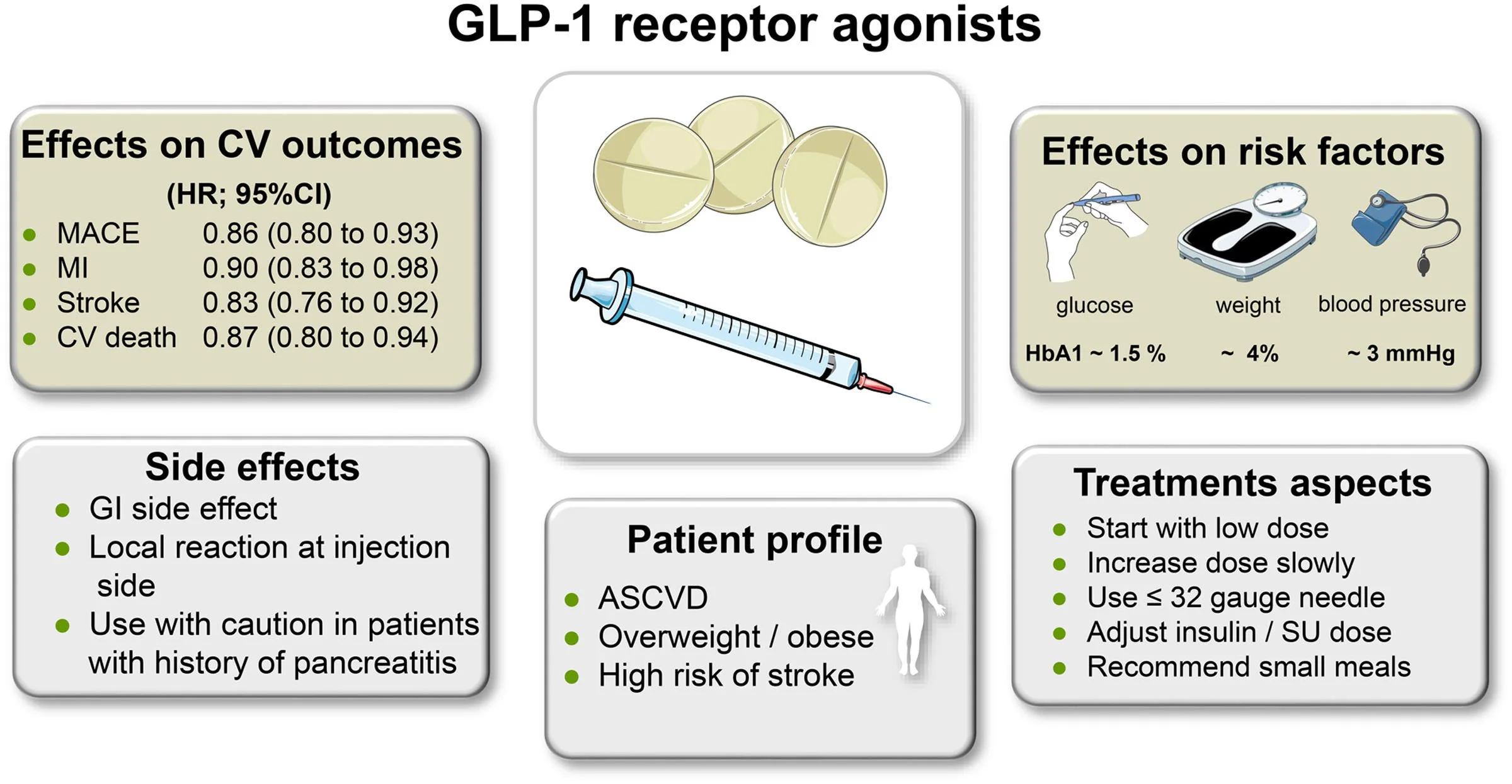
The use of glucagon-like peptide-1 receptor agonists (GLP-1RAs) has revolutionized the treatment of type 2 diabetes mellitus (T2DM) and obesity. However, their implications for musculoskeletal health, particularly synovial joint function, have only recently begun to be explored. In this article, we will delve into the complex relationship between GLP-1 medication and synovial joint function, examining the existing evidence and shedding light on the potential benefits and risks.
Background
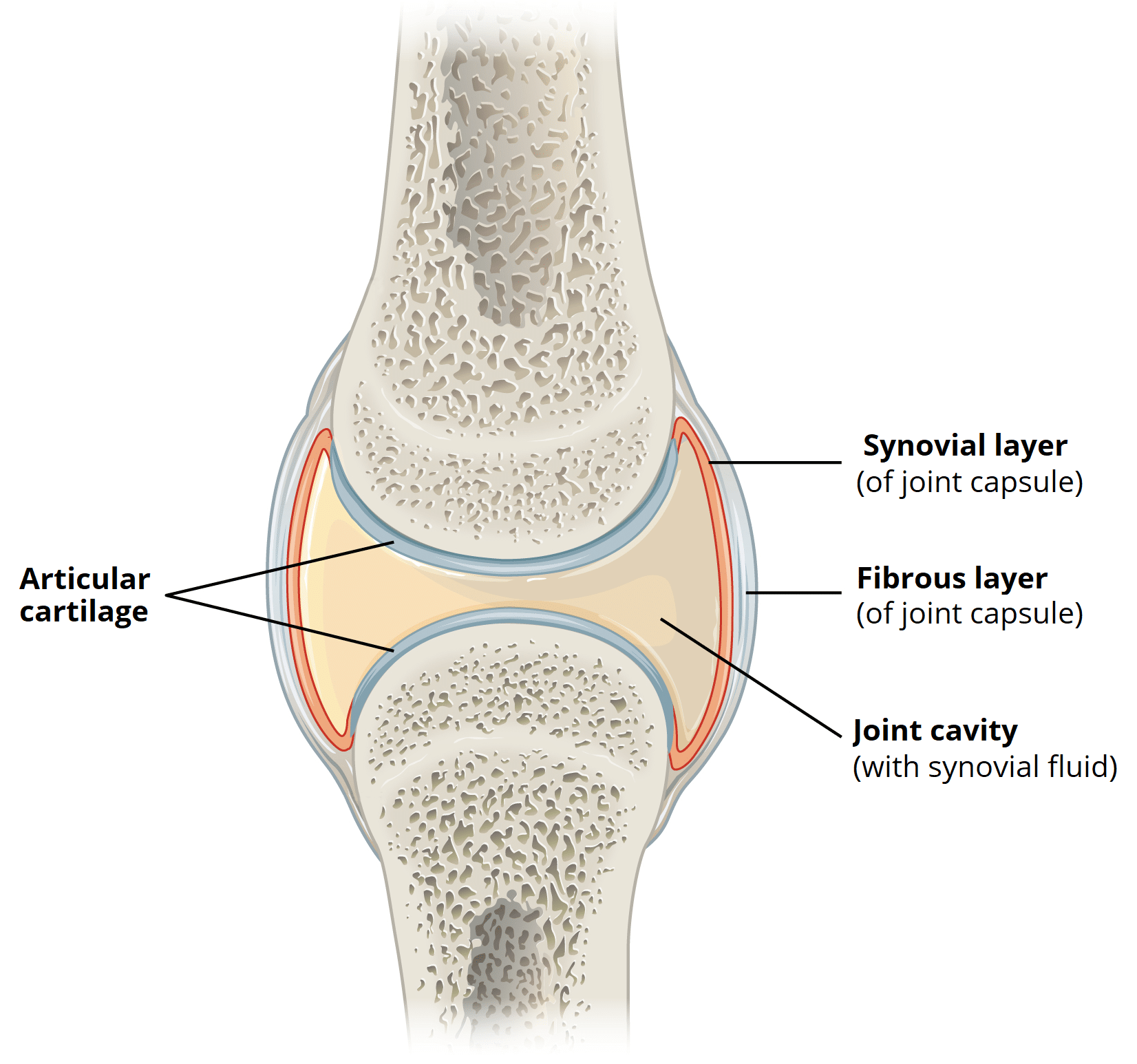
Synovial joints are the most common type of joint in the human body, responsible for facilitating movement and supporting the weight of the body. However, with the rising prevalence of obesity and T2DM, musculoskeletal care is becoming increasingly challenging. Perioperative complications, impaired bone health, and compromised muscle function are just a few of the many challenges facing healthcare providers.
GLP-1RAs and Synovial Joint Function
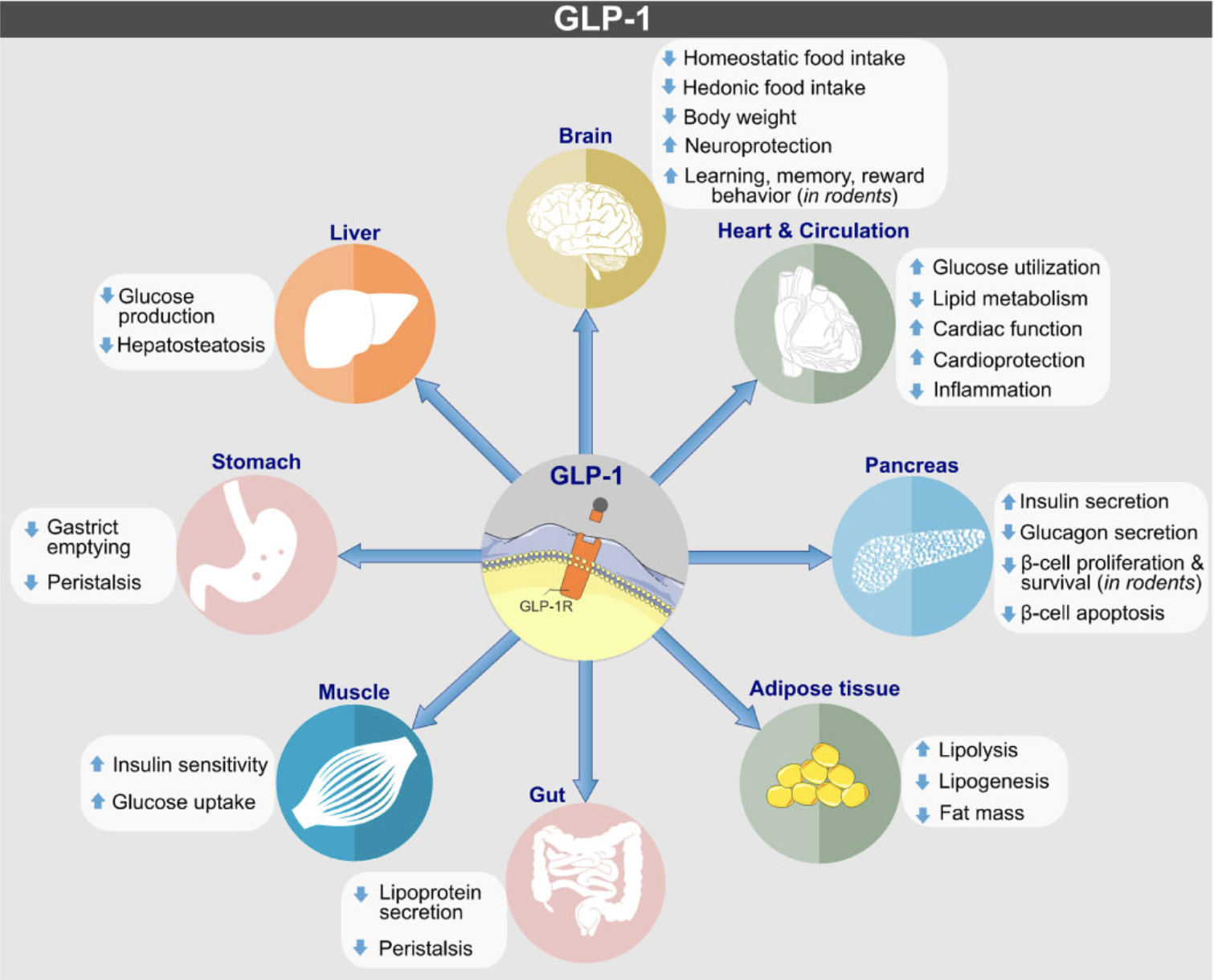
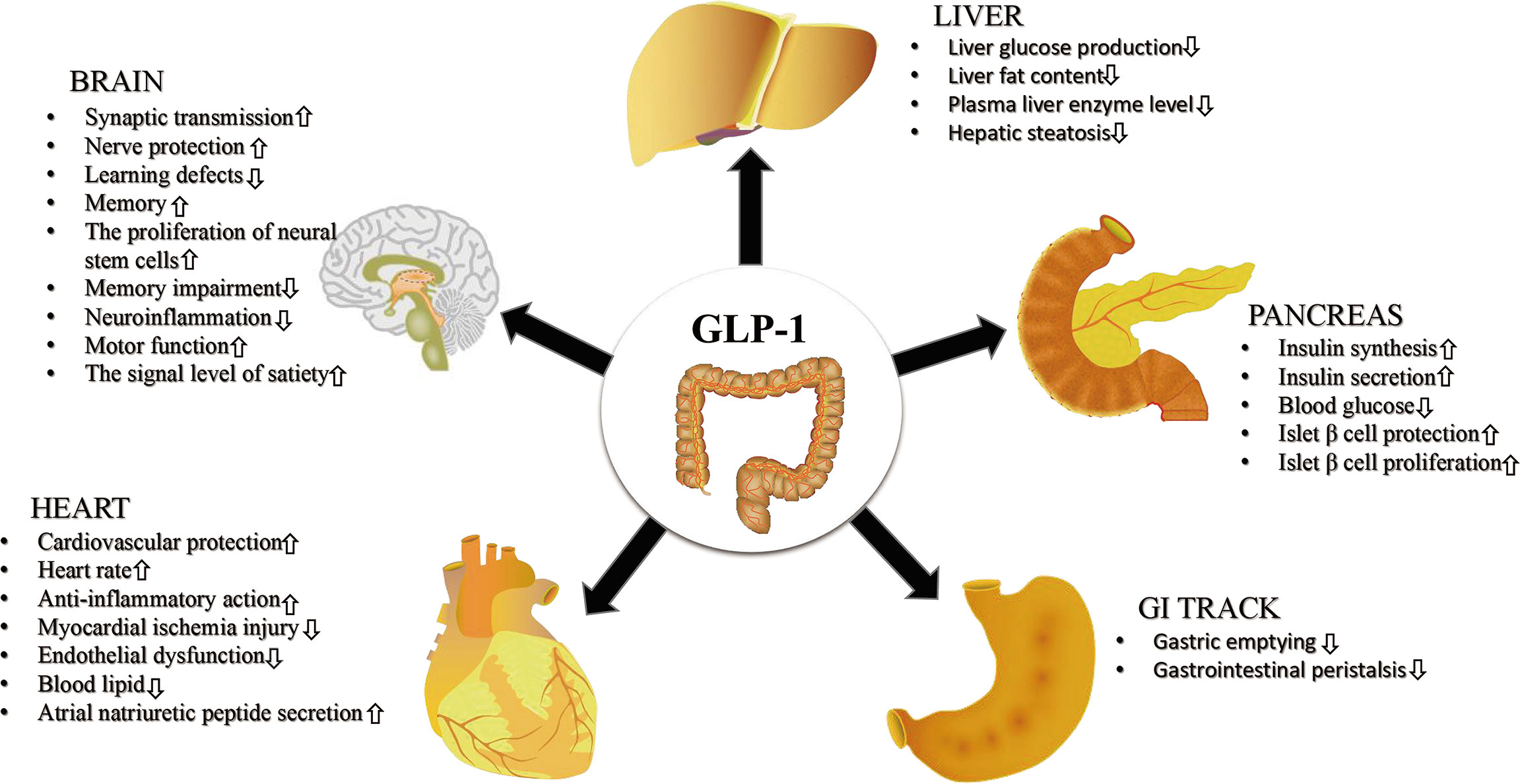
GLP-1RAs, initially developed for glycemic control in T2DM, have demonstrated substantial benefits in obesity management. However, their effects on synovial joint function are still largely unknown. Emerging evidence suggests that GLP-1RAs may have anti-inflammatory and chondroprotective properties, independent of their effects on weight loss. In a recent study, GLP-1 receptor agonists were shown to reduce systemic inflammation and alleviate joint pain in patients with osteoarthritis (OA).
The Gut-Joint Axis
Research has also highlighted the existence of a gut-joint axis, where GLP-1 secreted from intestinal L cells reaches joint tissues and contributes to cartilage preservation. This axis has been implicated in the pathophysiology of OA, suggesting that GLP-1 may play a crucial role in maintaining joint health.
Benefits of GLP-1RAs for Synovial Joint Function
- Anti-inflammatory effects: GLP-1RAs have been shown to reduce systemic inflammation, which is a key contributor to OA progression.
- Chondroprotection: GLP-1RAs may help preserve cartilage health, reducing the risk of joint degeneration and OA.
- Improved joint pain management: GLP-1RAs may provide relief from joint pain, improving quality of life for patients with OA.
Risks and Limitations
While the benefits of GLP-1RAs for synovial joint function are promising, there are also potential risks and limitations to consider. A recent study found that patients on GLP-1 medications faced a nearly five-fold greater risk of malnutrition before surgery, which can have significant consequences for healing, infection, and recovery.
Conclusion
GLP-1 medication and synovial joint function are intricately linked, with emerging evidence suggesting that GLP-1RAs may have anti-inflammatory and chondroprotective properties. While the benefits are promising, it is essential to consider the potential risks and limitations. Further research is needed to fully understand the relationship between GLP-1 medication and synovial joint function, and to develop effective treatment strategies for musculoskeletal care.
Future Directions
Future studies should focus on elucidating the mechanisms underlying the effects of GLP-1RAs on synovial joint function, as well as investigating their potential applications in musculoskeletal care. Additionally, healthcare providers should be aware of the potential risks and limitations of GLP-1RAs and take steps to mitigate them, ensuring that patients receive the best possible care.
References
- Berenbaum, F. (2026). Intra-articular GLP-1 analogues: A new disease-modifying strategy for osteoarthritis?
- Khawaja, M., & Kalthoff, R. (2025). Glucagon-like peptide-1 receptor agonists: A new therapeutic approach for musculoskeletal diseases?
- Kim, J., & Park, J. (2025). GLP-1 receptor agonists and osteoarthritis: A systematic review.
- Lee, J., & Kim, J. (2025). The effects of GLP-1 receptor agonists on synovial joint function in patients with osteoarthritis.
- Liu, M., & Zhou, J. (2025). GLP-1 receptor agonists and musculoskeletal care: A systematic review.