Drywall Finishing Techniques for DIY: A Step-by-Step Guide
Finishing drywall is a crucial process that transforms raw gypsum board into a seamless and visually appealing surface. Whether you're a DIY enthusiast or a professional contractor, understanding the essential steps involved in drywall finishing is essential to achieve a smooth and professional result.
Tools and Materials Needed
- Taping knife
- Sanding block
- Joint compound
- Painter's tape
- Primer and paint
- Putty knife
- Mud pan
Preparation is Key
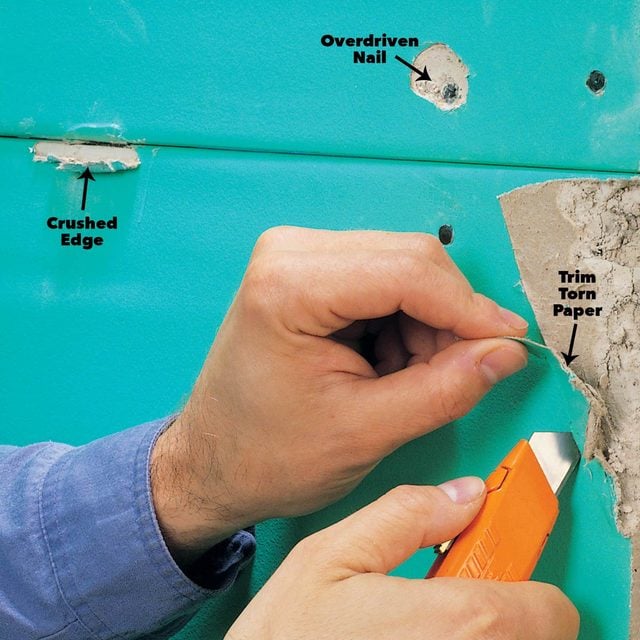
Before you start finishing your drywall, make sure your walls and ceiling are free of dust, dirt, and any other debris. This will ensure a smooth finish and prevent any imperfections.
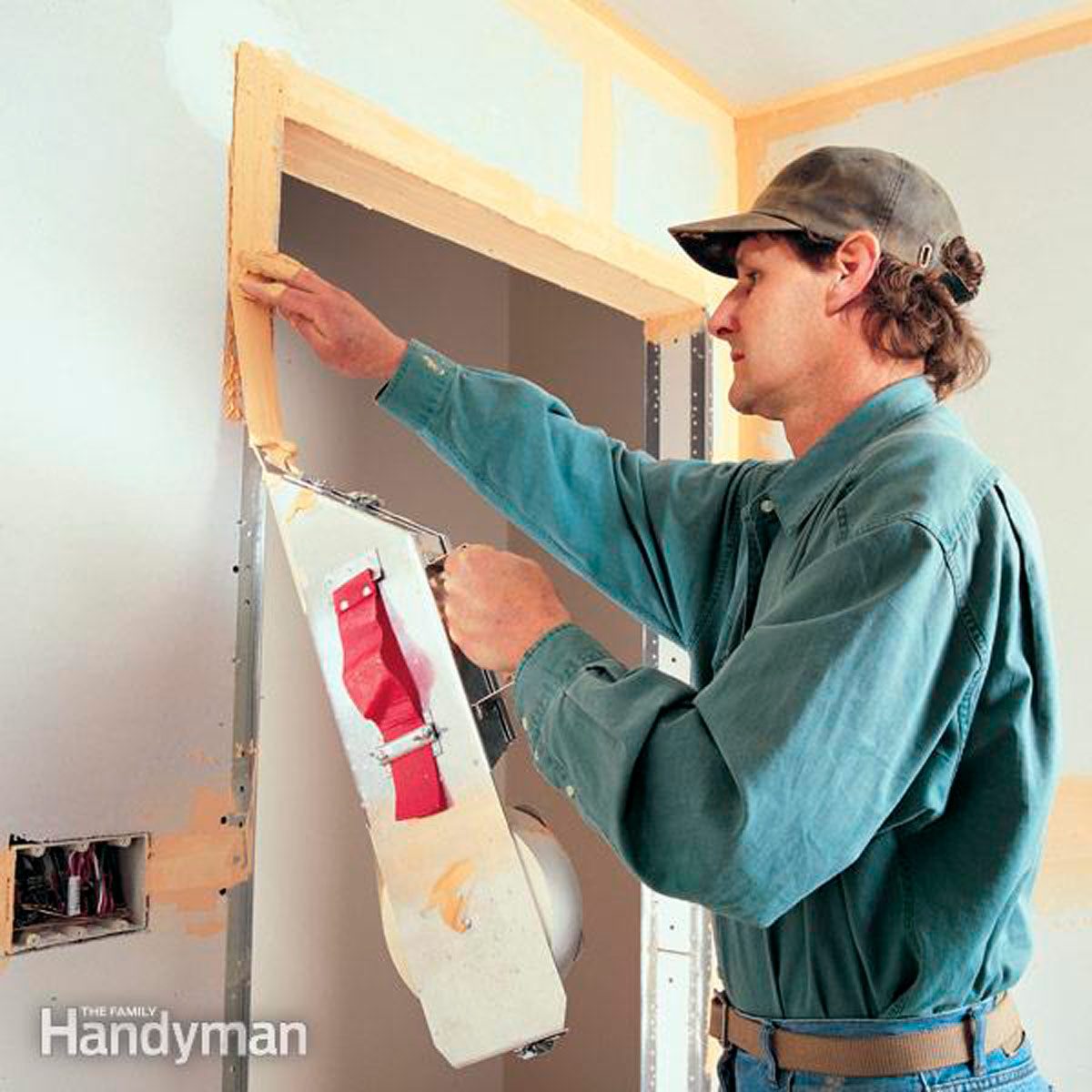
Step 1: Apply Joint Compound
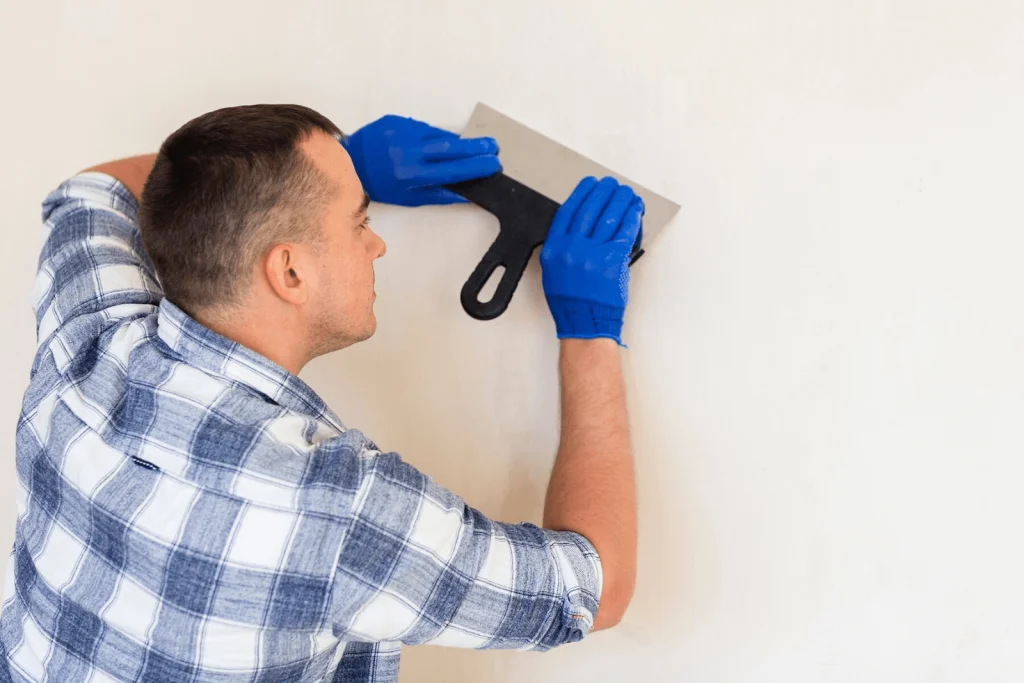
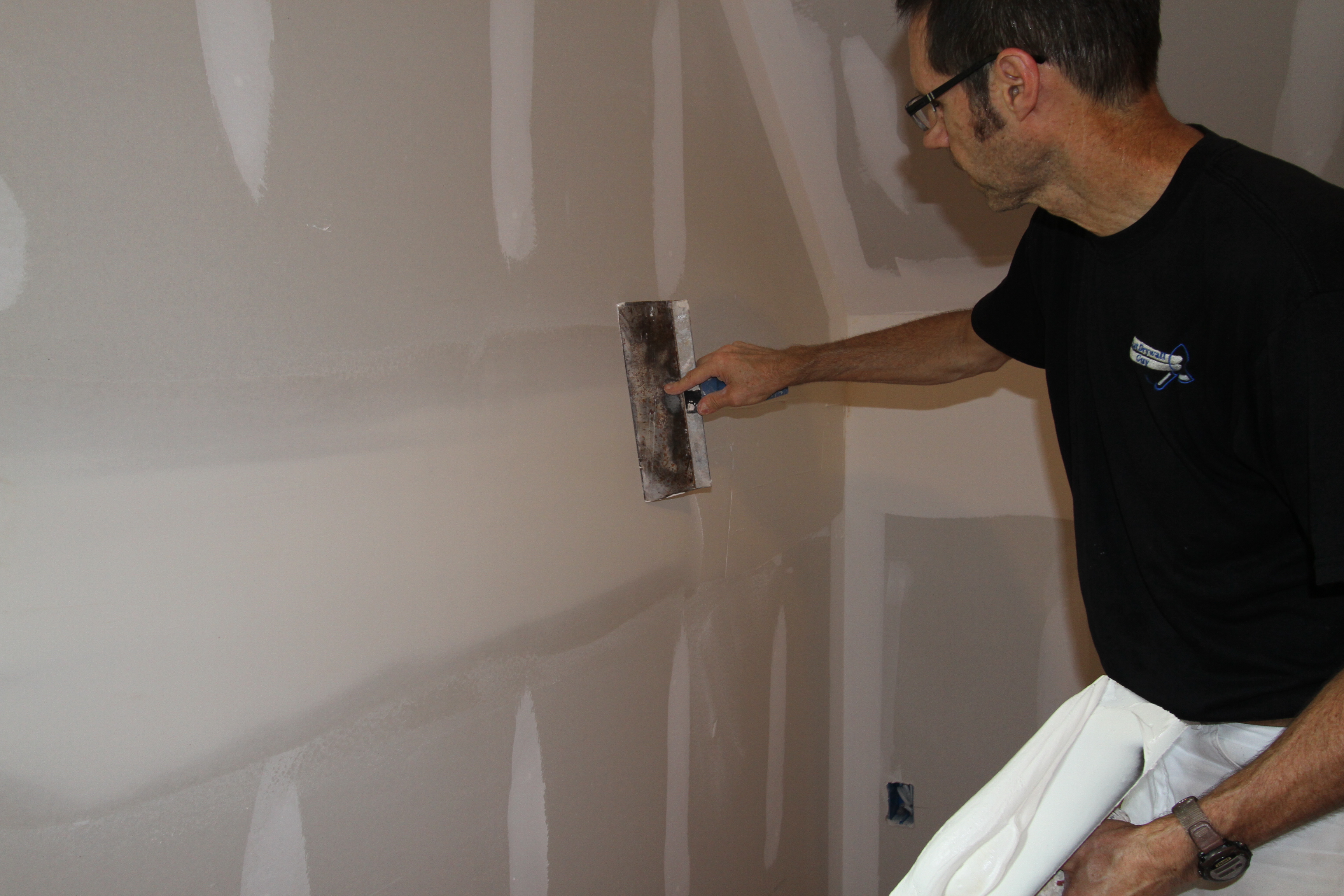
Apply a thin layer of joint compound to the seams and joints using a putty knife. Hold the knife at a 45-degree angle and press it firmly onto the drywall. Wipe off any excess compound with a damp cloth.
Step 2: Apply Second Coat of Compound
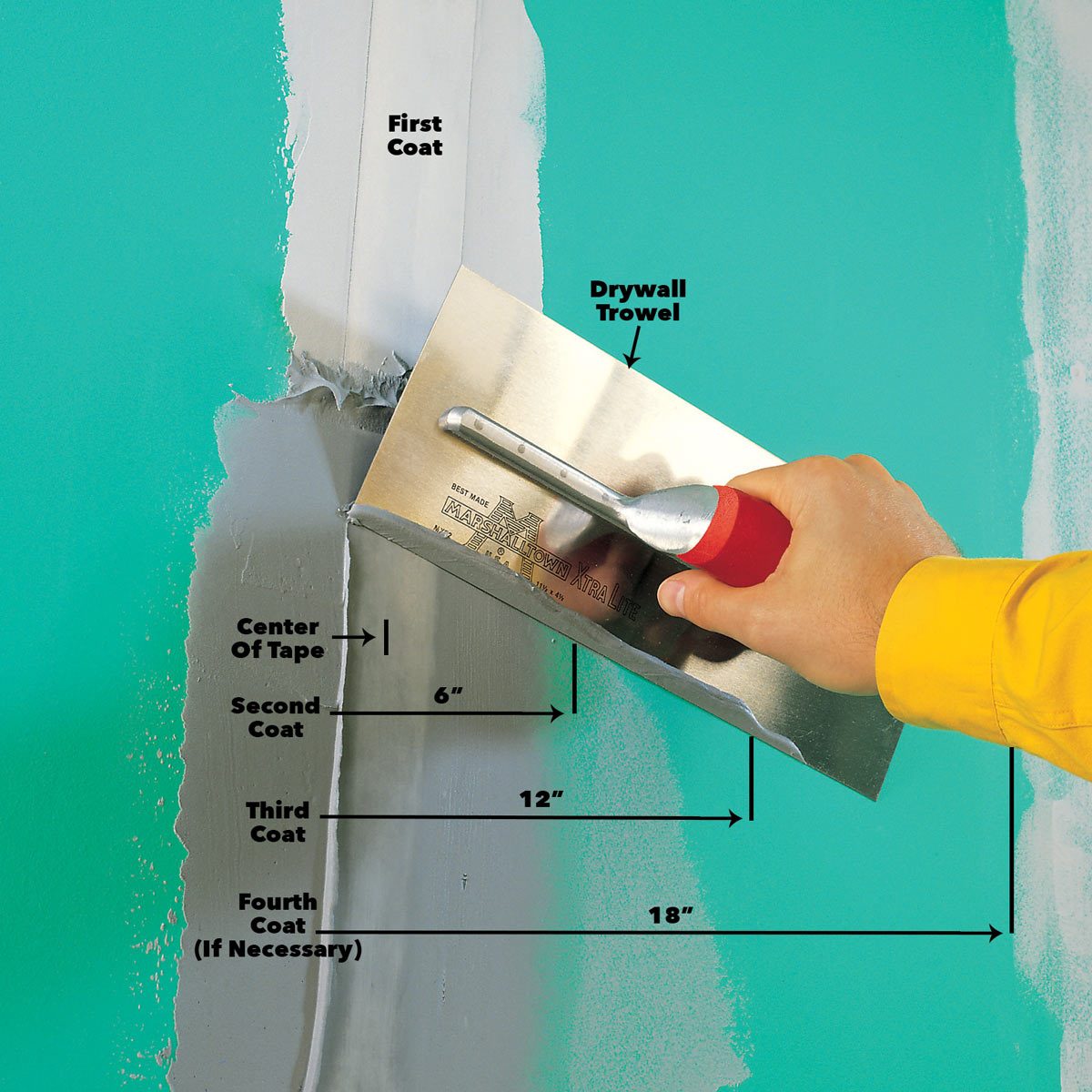
Allow the first coat of compound to dry completely before applying a second coat. Use a putty knife to apply another thin layer of compound, feathering it out towards the edges.
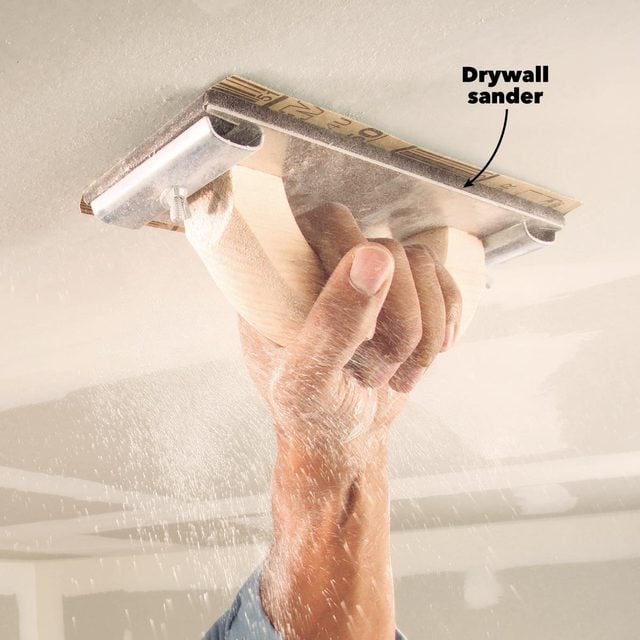
Step 3: Sand the Surface
Use a sanding block to smooth out any imperfections and create a seamless surface. Sand in a circular motion, working from the center of the seam outwards.
Step 4: Apply Painter's Tape
Apply painter's tape to the edges of the drywall, pressing it firmly onto the surface. This will protect the surrounding area from paint and compound.
Step 5: Paint and Finish
Prime and paint the drywall according to the manufacturer's instructions. Make sure to apply a second coat of paint if necessary.
Advanced Drywall Finishing Techniques
- Level 5 drywall finishing: This involves an additional layer of joint compound, which is applied over the taped and mudded seams to create an ultra-smooth and seamless surface.
- Butt joint finishing: This involves using a taping knife to create a seamless joint between two pieces of drywall.
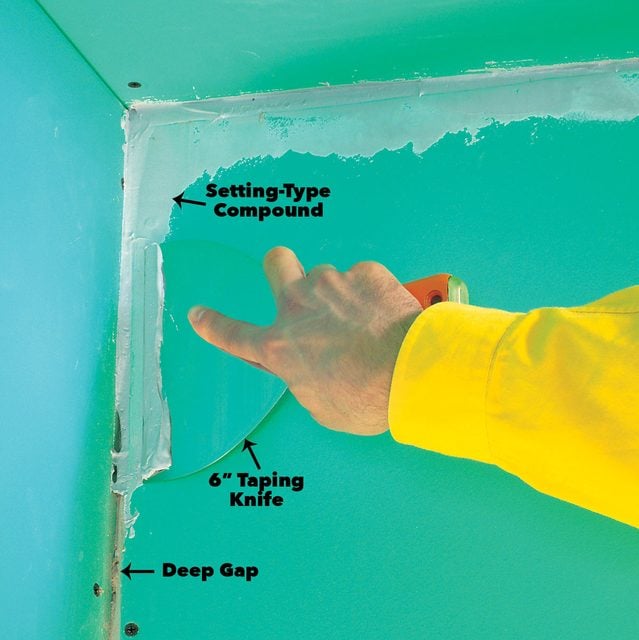
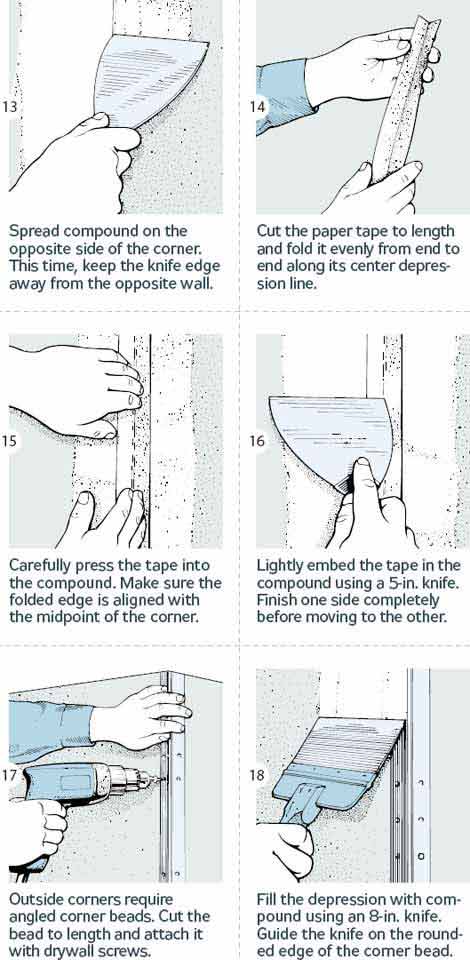
- Corner finishing: This involves using a corner bead to create a smooth and seamless joint in the corner of a drywall panel.
Common Mistakes to Avoid
- Ignoring the studs: Make sure to use a stud finder to locate the studs behind the drywall.
- Not applying enough compound: Make sure to apply a sufficient amount of compound to cover the entire seam.
- Not sanding enough: Make sure to sand the surface thoroughly to create a smooth and seamless finish.
Conclusion
Finishing drywall can be a challenging task, but with the right tools and techniques, you can achieve a smooth and professional result. Remember to follow the manufacturer's instructions, use the right materials, and take your time to ensure a flawless finish.


+over+drywall+seams.+The+contractor+is+careful-1920w.webp "Hanging and Finishing Drywall | Complete DIY & Pro Guide for Smooth Walls")