Unlock the Power of GLP-1 Agonist Diet Planning: A Comprehensive Guide
Are you struggling to manage your weight? Do you want to achieve sustainable weight loss while minimizing the risk of side effects associated with glucagon-like peptide-1 (GLP-1) agonist medications? Look no further! In this article, we will delve into the world of GLP-1 agonist diet planning, a comprehensive approach to weight management that combines the benefits of GLP-1 medications with evidence-based dietary recommendations.
What is GLP-1 Agonist Diet Planning?
GLP-1 agonist diet planning is a tailored approach to weight loss that takes into account the unique mechanisms of GLP-1 medications and their impact on hunger, digestion, and glucose control. By combining these medications with a balanced diet and regular exercise, individuals can achieve significant weight loss and improve their overall health.
How Does GLP-1 Agonist Diet Planning Work?
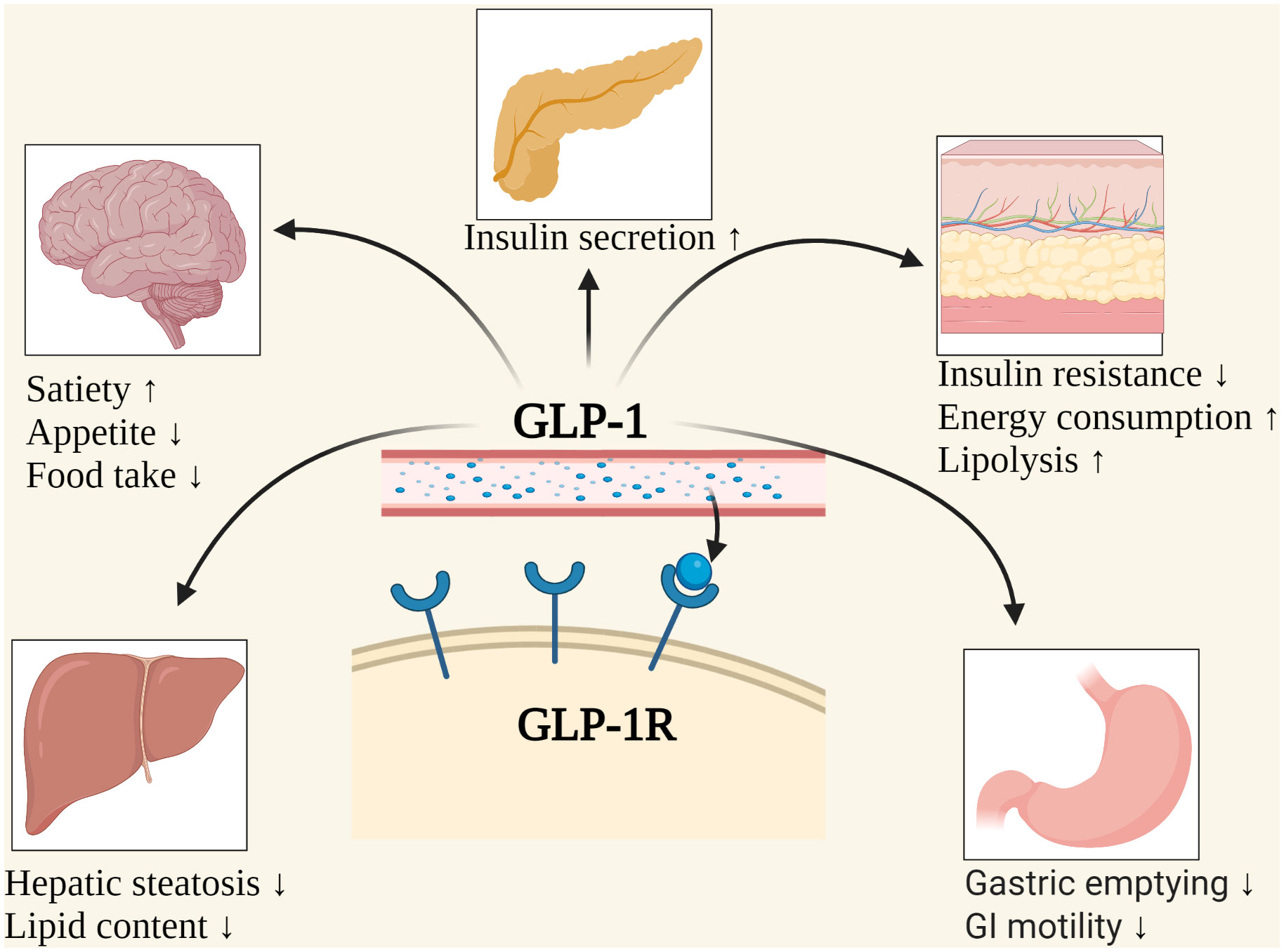
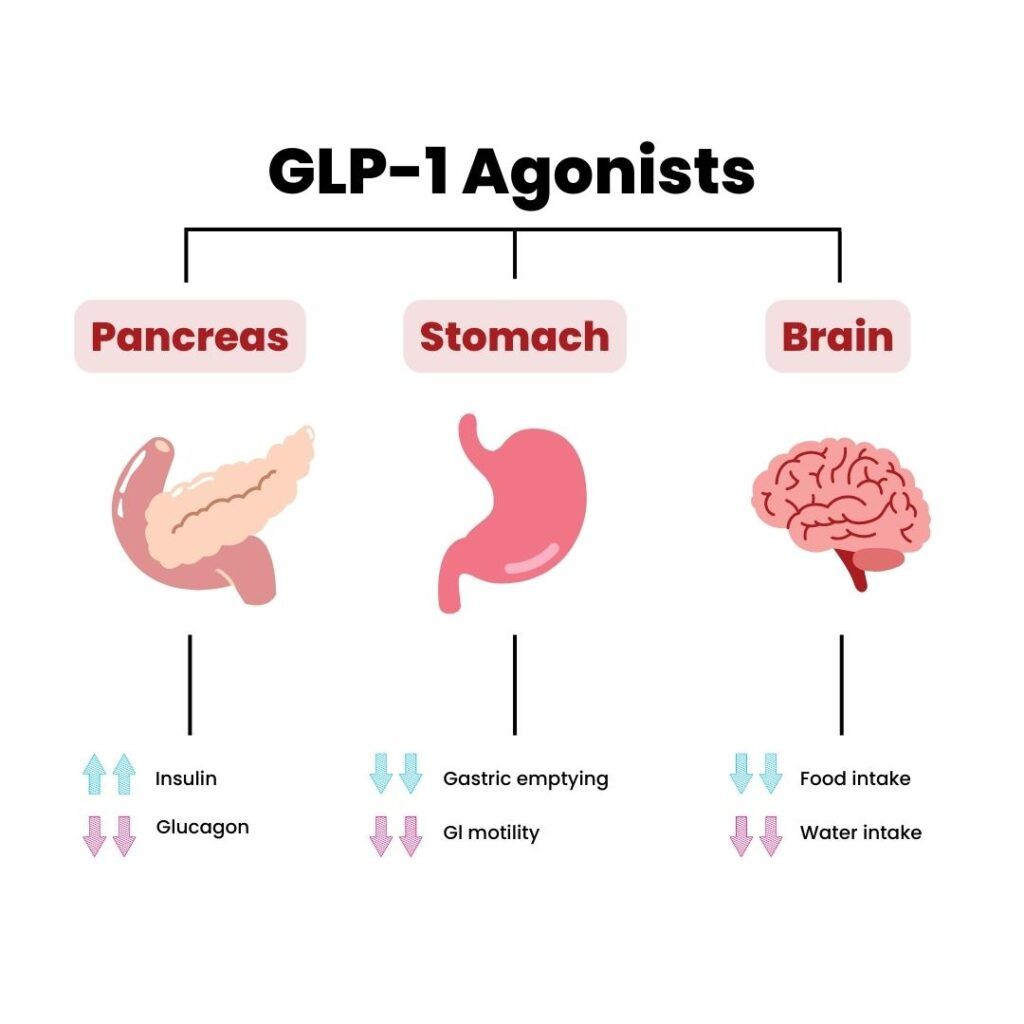
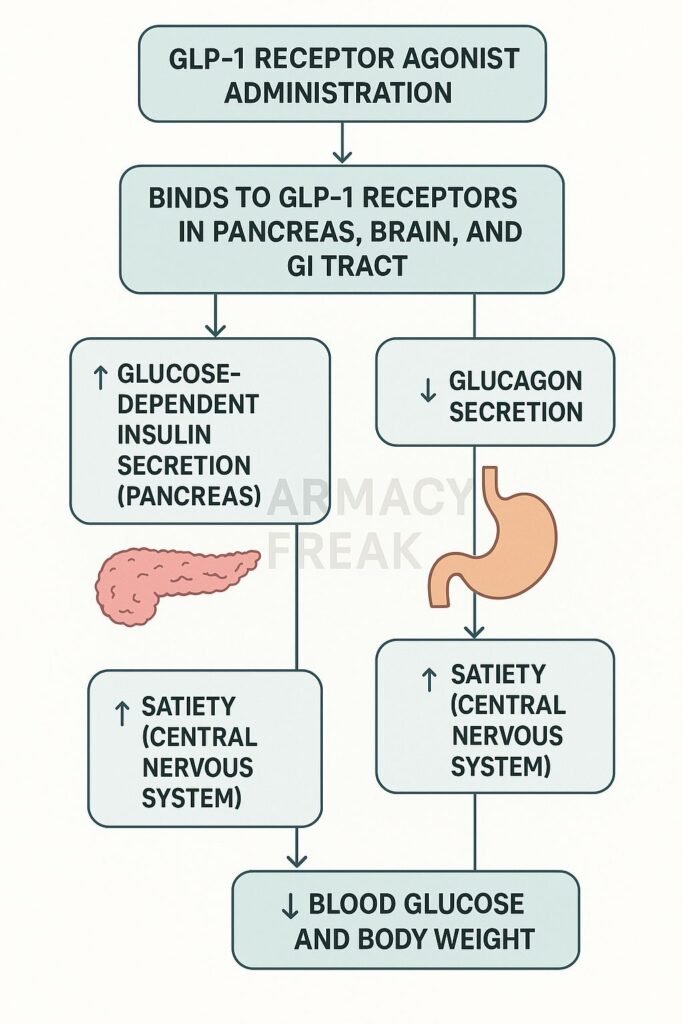
GLP-1 agonist medications work by simulating the natural hormone GLP-1, which is released by the gut in response to eating. This hormone helps regulate blood sugar levels, hunger, and digestion. By augmenting the natural effects of GLP-1, these medications can lead to weight loss and improved glucose control.
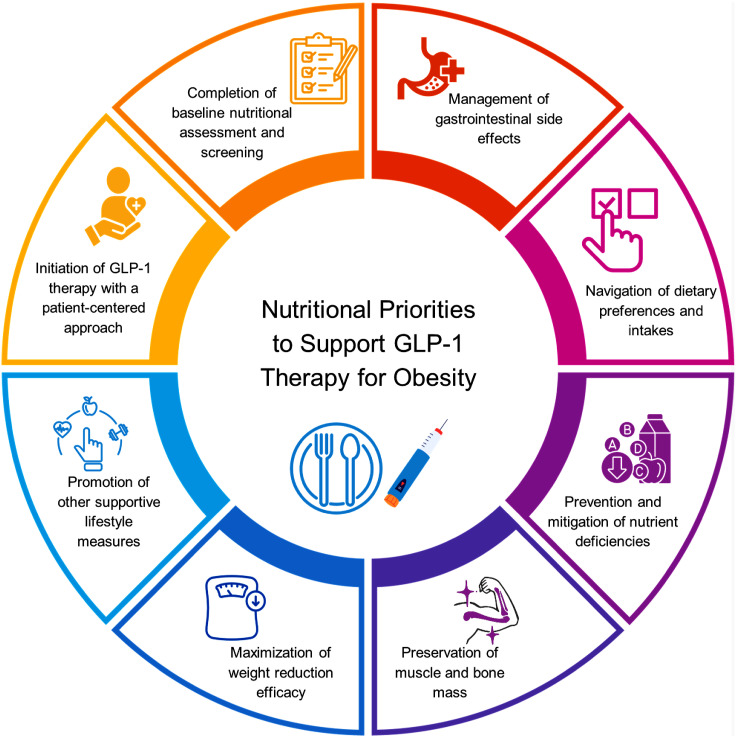
However, GLP-1 agonist medications can also cause gastrointestinal side effects, such as nausea and constipation. A well-planned diet can help mitigate these side effects and support weight loss. The key is to choose foods that are high in protein, fiber, and healthy fats, which can help slow down digestion and reduce hunger.
Best Foods to Include in a GLP-1 Agonist Diet
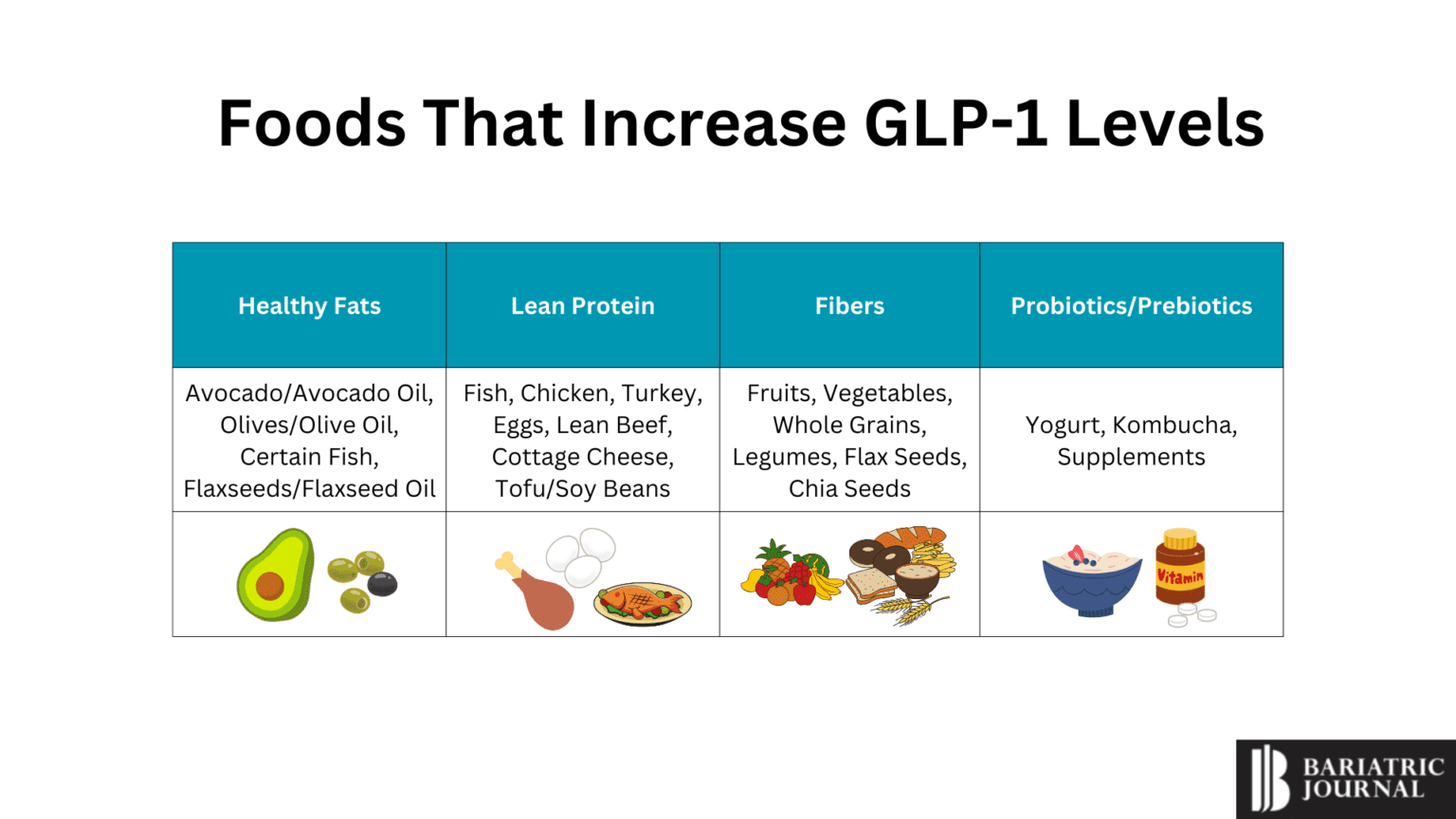
- High-protein foods: Choose lean protein sources, such as poultry, fish, and legumes.
- High-fiber foods: Include fruits, vegetables, and whole grains in your diet to support digestive health.
- Healthy fats: Nuts, seeds, and avocados are rich in healthy fats that can help slow down digestion and reduce hunger.
- Low-carb vegetables: Focus on low-carb vegetables, such as leafy greens and broccoli, to minimize blood sugar spikes.
- Probiotic-rich foods: Incorporate probiotic-rich foods, such as yogurt and kefir, to support gut health.
Foods to Limit or Avoid on a GLP-1 Agonist Diet
- High-carb foods: Limit or avoid high-carb foods, such as bread, pasta, and sugary snacks, to minimize blood sugar spikes.
- Fatty foods: Avoid fried foods and high-fat snacks, which can exacerbate nausea and constipation.
- Processed meats: Limit or avoid processed meats, such as hot dogs and sausages, which are high in sodium and preservatives.
- High-sugar drinks: Avoid sugary drinks, such as soda and juice, which can lead to blood sugar spikes and weight gain.
Sample Meal Ideas for a GLP-1 Agonist Diet
Here are some sample meal ideas that can help you get started with a GLP-1 agonist diet:
- Breakfast ideas:
- Greek yogurt with berries and almonds
- Avocado toast with poached eggs
- Smoothie bowl with spinach, banana, and almond milk
- Lunch ideas:
- Grilled chicken salad with mixed greens and vinaigrette
- Turkey and avocado wrap with mixed greens and whole-grain wrap
- Cottage cheese with cucumber slices and cherry tomatoes
- Dinner ideas:
- Grilled salmon with roasted vegetables and quinoa
- Stir-fry with lean beef, mixed vegetables, and brown rice
- Lentil soup with whole-grain bread and a side salad
Conclusion
A well-planned GLP-1 agonist diet can help you achieve sustainable weight loss and improve your overall health. By incorporating high-protein, high-fiber, and low-carb foods, you can minimize the risk of gastrointestinal side effects and support weight loss. Remember to also stay hydrated and listen to your body's hunger and fullness cues to ensure a balanced and satisfying diet.
Consult with a healthcare professional or registered dietitian to create a personalized meal plan that meets your unique needs and health goals.
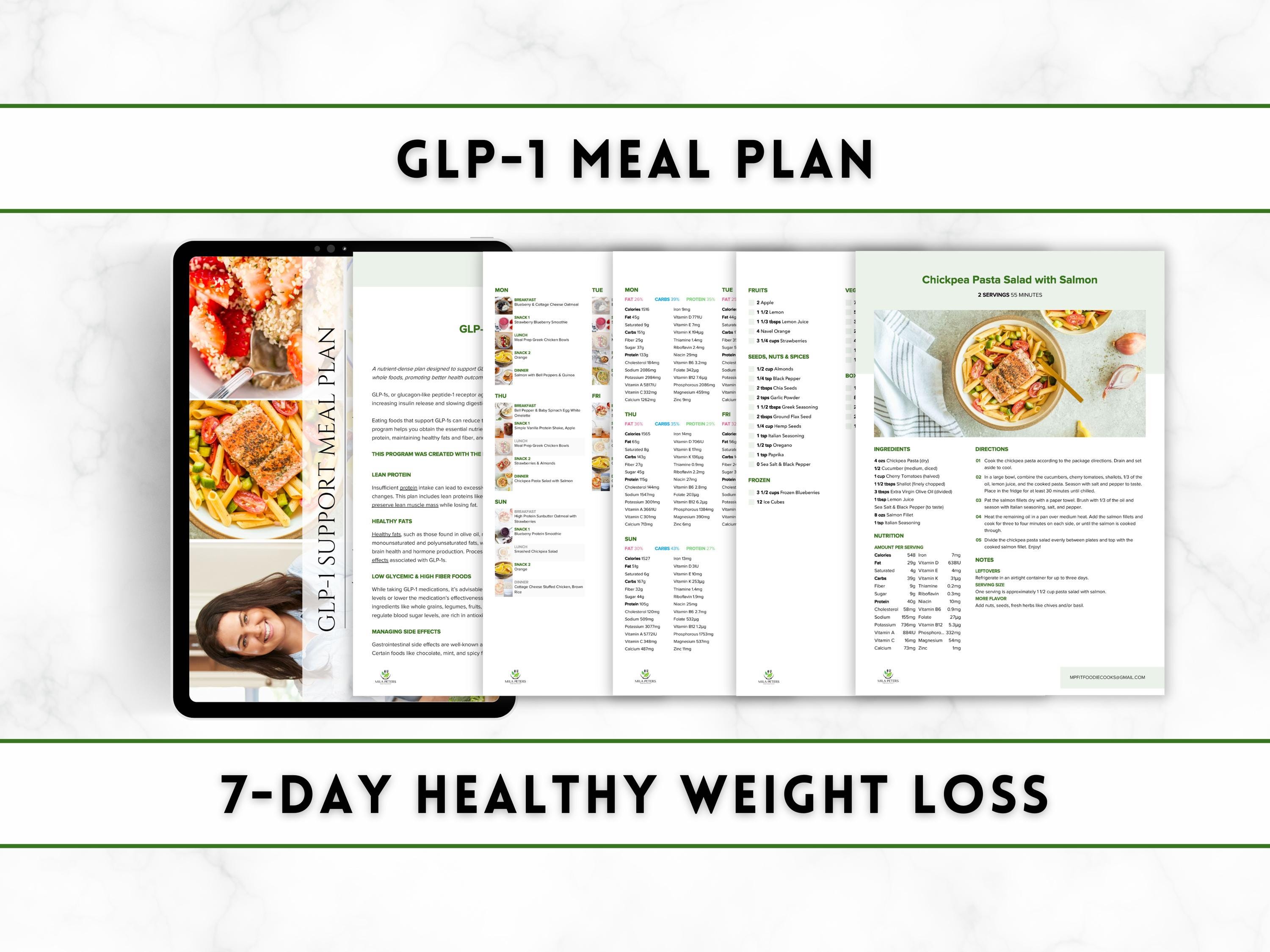
![GLP-1 Diet: Foods to Eat, Avoid & Sample Meal Plan [2026]](https://i.etsystatic.com/38645095/r/il/4889b5/6434378396/il_794xN.6434378396_h7ou.jpg "GLP-1 Diet: Foods to Eat, Avoid & Sample Meal Plan [2026]")