GLP-1 and Macro-Nutrient Balance for Optimal Weight Loss
Introduction
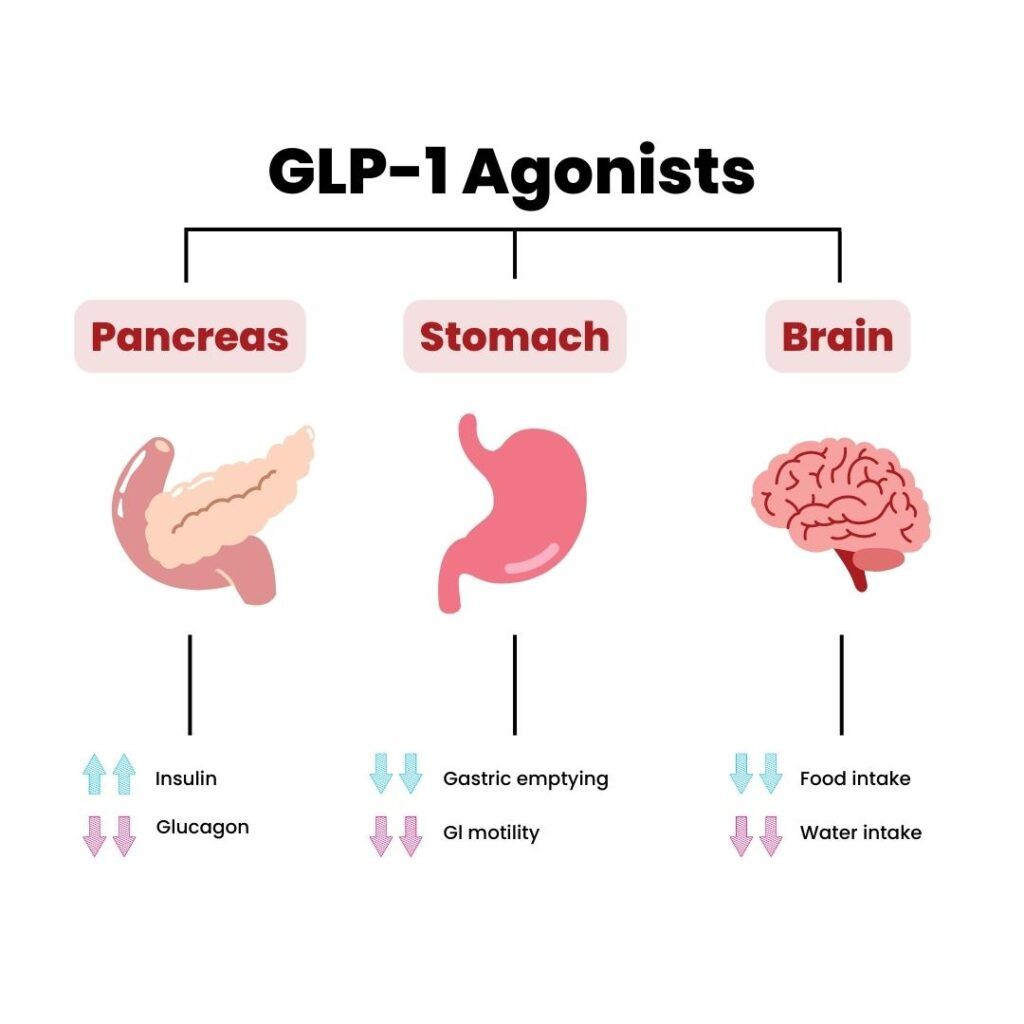
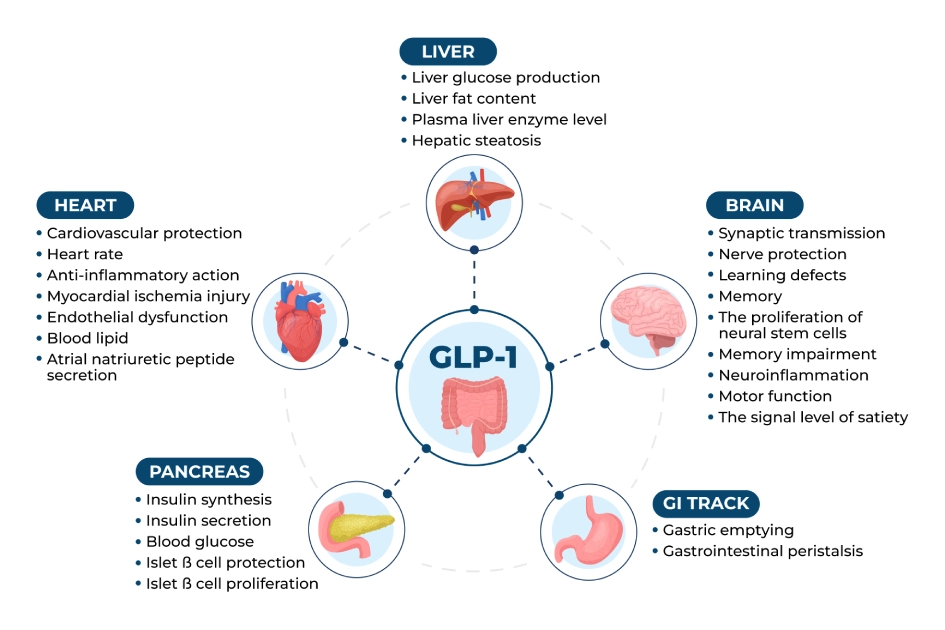
Glucagon-like peptide-1 (GLP-1) receptor agonists, including semaglutide and tirzepatide, are increasingly prescribed for people living with obesity and type 2 diabetes. These medications operate by enhancing insulin secretion in response to food intake, reducing appetite, and effectively reducing body weight. However, by inducing caloric restriction and altering gastrointestinal physiology, GLP-1RAs may predispose patients to nutritional deficiencies.Importance of Macro-Nutrient Balance During GLP-1 Therapy
Achieving a balance of macronutrients, including carbohydrates, fats, and protein, is essential during GLP-1 therapy. This balance can help maintain consistent energy levels, aid in maintaining a healthier body weight, and ensure adequate nutrition. Consuming a gram of protein per kilogram of ideal body weight can prevent lean body mass loss and support muscle maintenance.Recommended Macronutrient Ratios
For optimal weight loss, it is recommended to maintain the following macronutrient ratios:- Protein: 25-30% of daily caloric intake, crucial for muscle maintenance and repair
- Carbohydrates: 55-60% of daily caloric intake, essential for energy production and fiber intake
- Fats: 15-20% of daily caloric intake, important for satiety and overall nutrition
Key Nutritional Priorities for GLP-1 Therapy
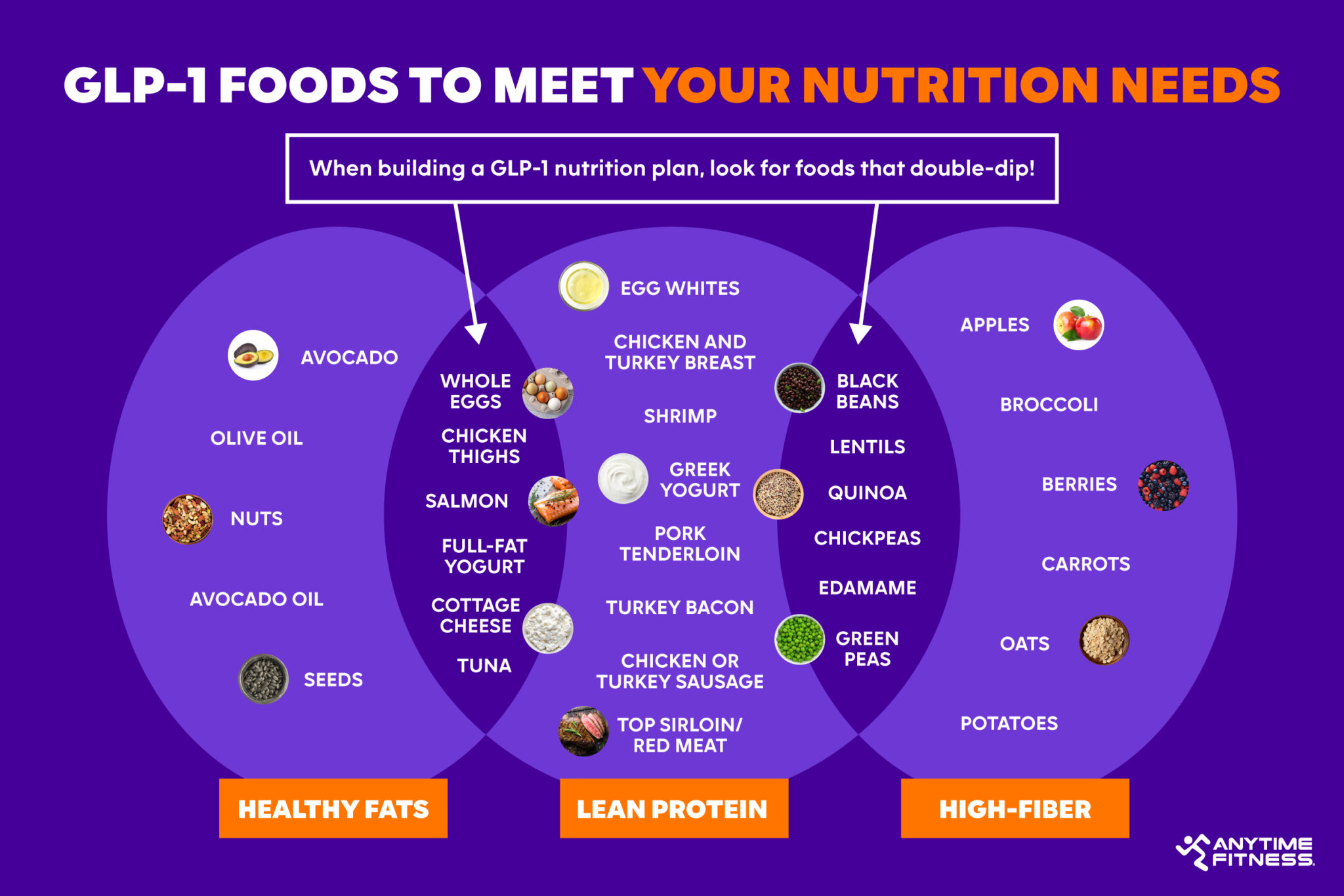
To ensure optimal nutrition during GLP-1 therapy, patients should focus on the following key nutritional priorities:- Consume a balanced diet with adequate protein, carbohydrate, and fat intake
- Choose easily digestible foods, including lean proteins, whole grains, and fruits and vegetables
- Monitor and adjust macronutrient ratios as needed to maintain weight loss and overall health

Potential Nutritional Deficiencies and Supplementation
Common nutritional deficiencies associated with GLP-1 therapy include:- Vitamin and mineral deficiencies, particularly vitamin B12 and iron
- Protein deficiency, leading to muscle loss and decreased satiety
- Carbohydrate and fiber deficiency, leading to constipation and decreased energy levels
Strategies for Preventing Nutritional Deficiencies
Patients undergoing GLP-1 therapy can take the following steps to prevent nutritional deficiencies:- Monitor nutritional status through regular blood work and dietary assessments
- Take supplements as recommended by their healthcare provider, including multivitamins, vitamin B12, and iron
- Eat a balanced diet with a variety of nutrient-dense foods, including fruits, vegetables, whole grains, lean proteins, and healthy fats