How Does a DNA Health Test Work?
DNA testing has revolutionized the way we approach genetics, family dynamics, medical diagnostics, and even legal matters. For anyone curious about paternity, ancestry, or potential health risks, DNA tests provide scientifically backed answers. But what exactly is DNA testing, and how does it work? This comprehensive guide explores the basics of DNA testing, its applications, and its benefits.
The Basics of DNA Testing
DNA testing looks at DNA, which is the set of instructions for how the body works. Genetic testing can show DNA changes in genes that may affect health. Healthcare professionals also can use genetic testing to choose treatments or see how well treatments might work. Genetic testing can give important information for screening, diagnosing, and treating health conditions, but it has its limitations and potential risks.
What is a Genetic Test?
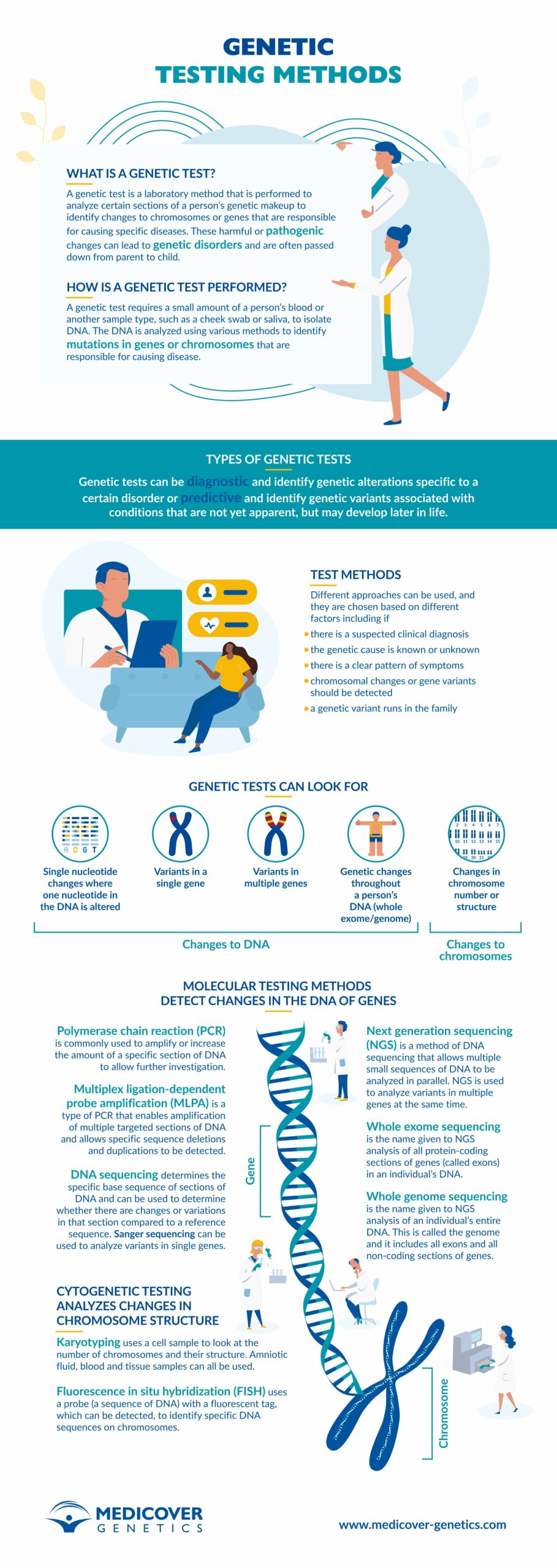
A genetic test looks at your DNA to find changes (variants) that cause disease or put you at greater risk to develop disease. DNA is the code our bodies use to make genes, and genes are the instructions for our bodies. In the past, it was possible to screen or test only one gene at a time to try to find the cause of a disease. This method is still used for many genetic conditions, but modern DNA testing has made it possible to analyze multiple genes simultaneously.
How Do DNA Tests Work?
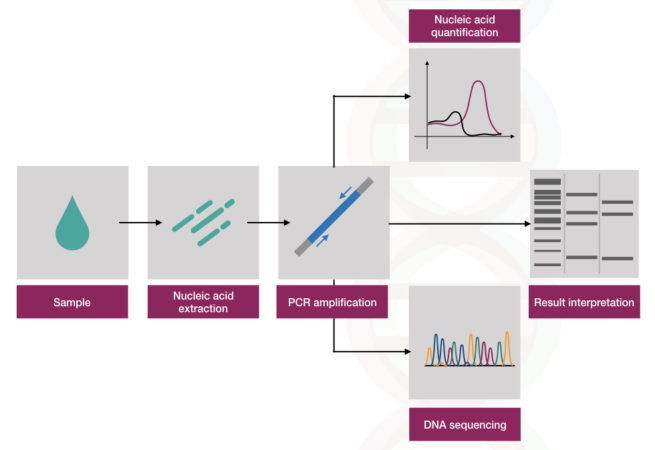
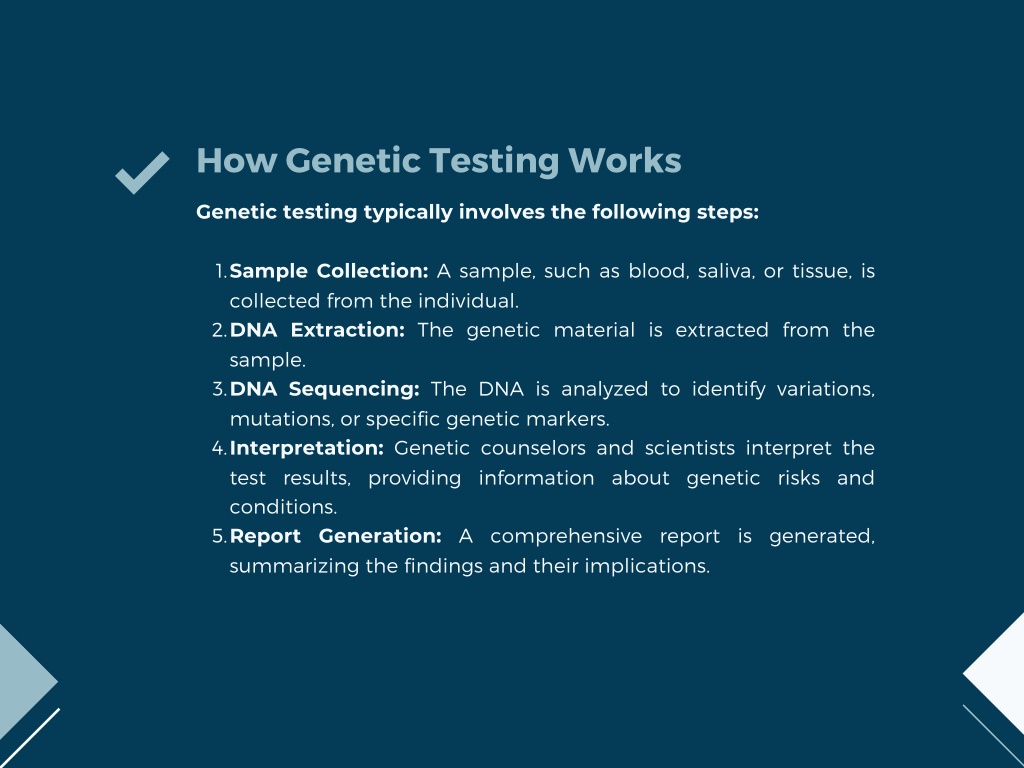
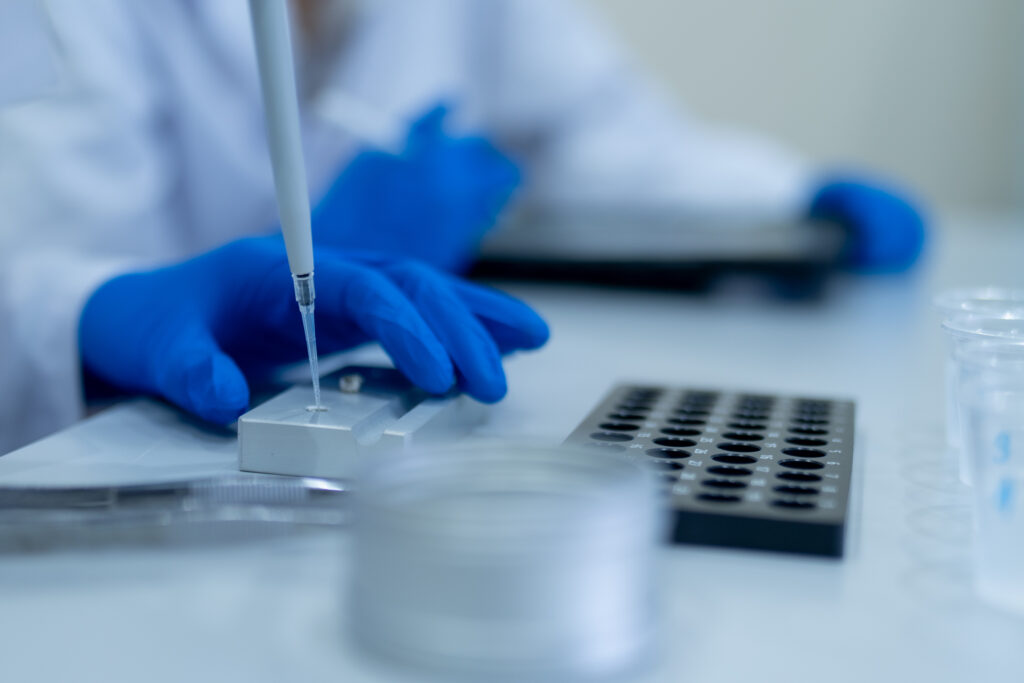
DNA tests (gene testing) are lab tests that can find changes (variations) in your genes, chromosomes, and DNA. These changes may mean you have a genetic condition. Genetic testing, also known as DNA testing, can be used for diagnosis, newborn screening, carrier screening, or to predict your risk of a genetic disease.
What Can a DNA Test Tell You?
A DNA test can tell you about your health and ancestry. It can also help you understand your risk of developing certain health conditions, such as heart disease, diabetes, or cancer. However, it's essential to understand that a DNA test is not a definitive diagnosis and should be used in conjunction with medical expertise. Additionally, DNA tests can also provide information on your ancestry and potential health risks associated with your genetic background.
Types of DNA Tests
There are several types of DNA tests available, including:
- Genetic tests: These tests analyze your DNA to identify genetic variations associated with certain health conditions.
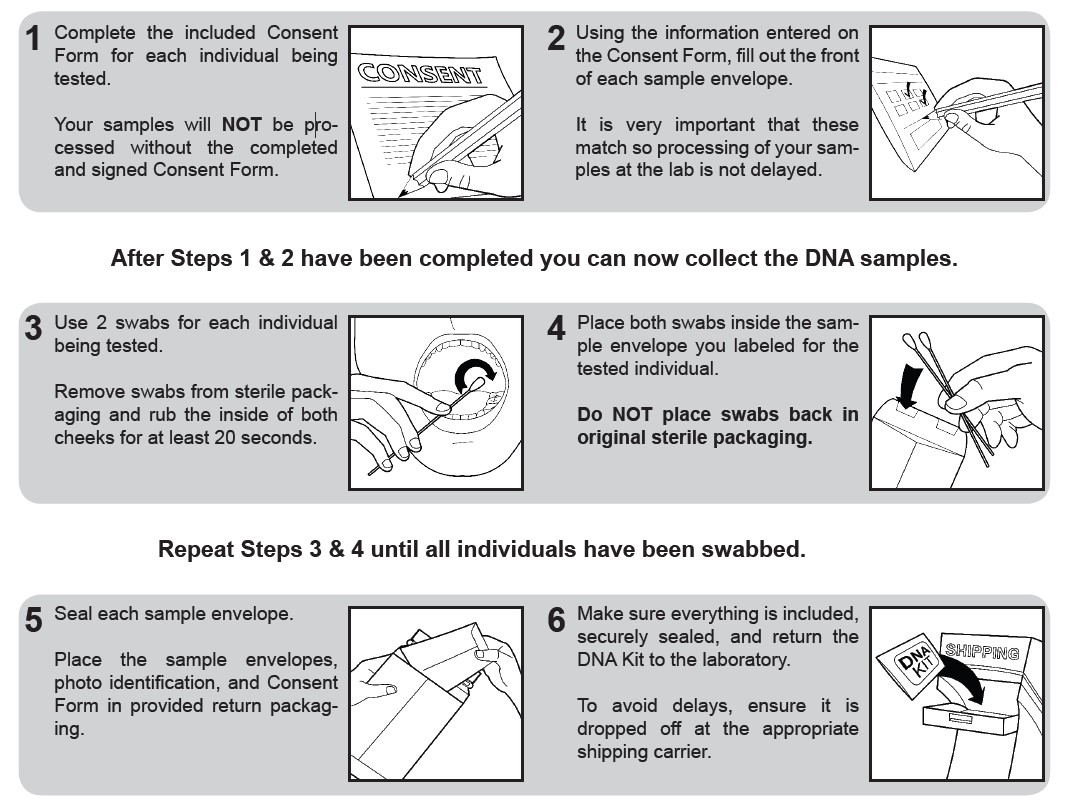
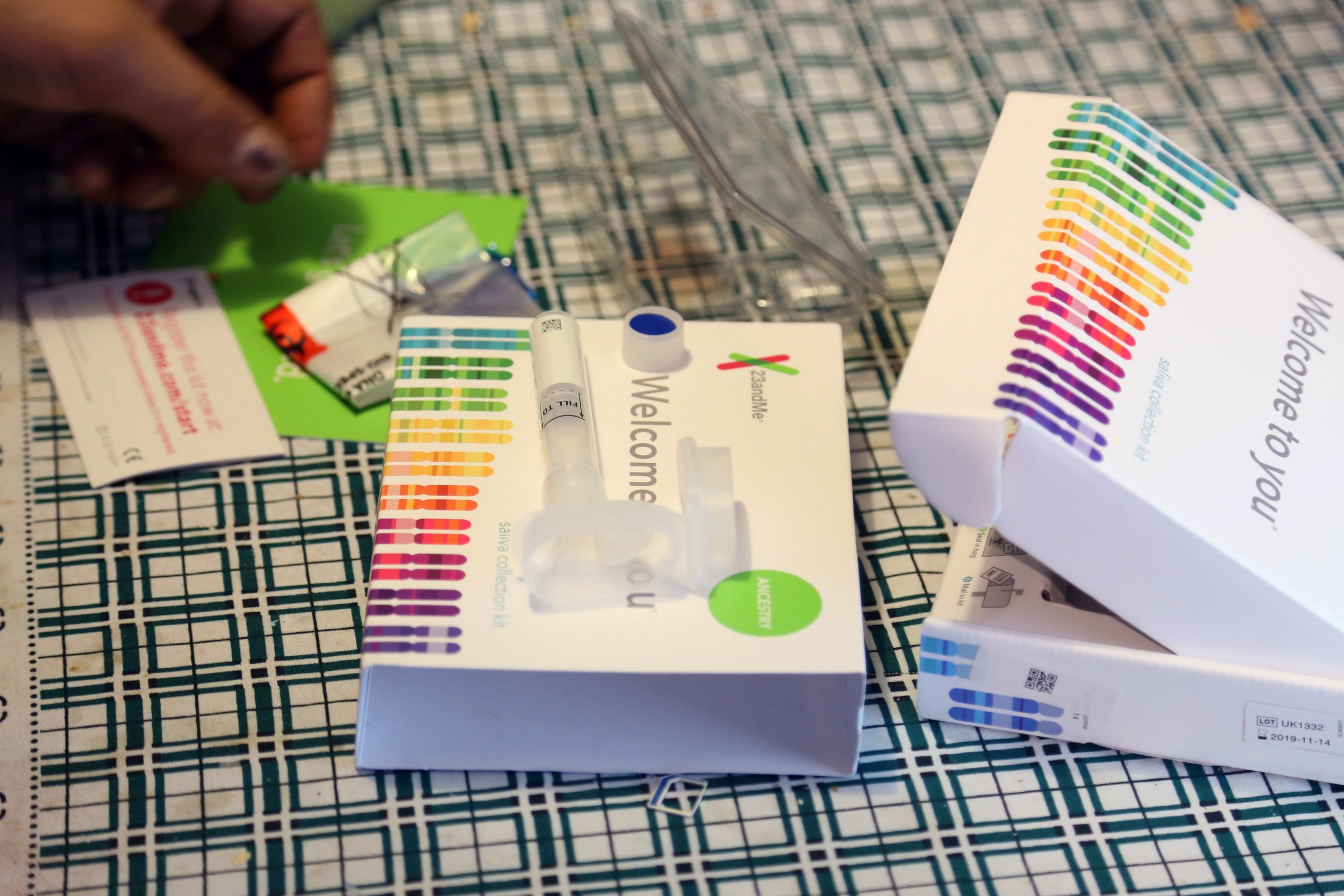
- Direct-to-consumer (DTC) tests: These tests allow you to send a DNA sample and receive the results directly.
- Pharmacogenomic tests: These tests analyze your DNA to determine how your genes may affect medication outcomes.
Benefits and Limitations of DNA Testing
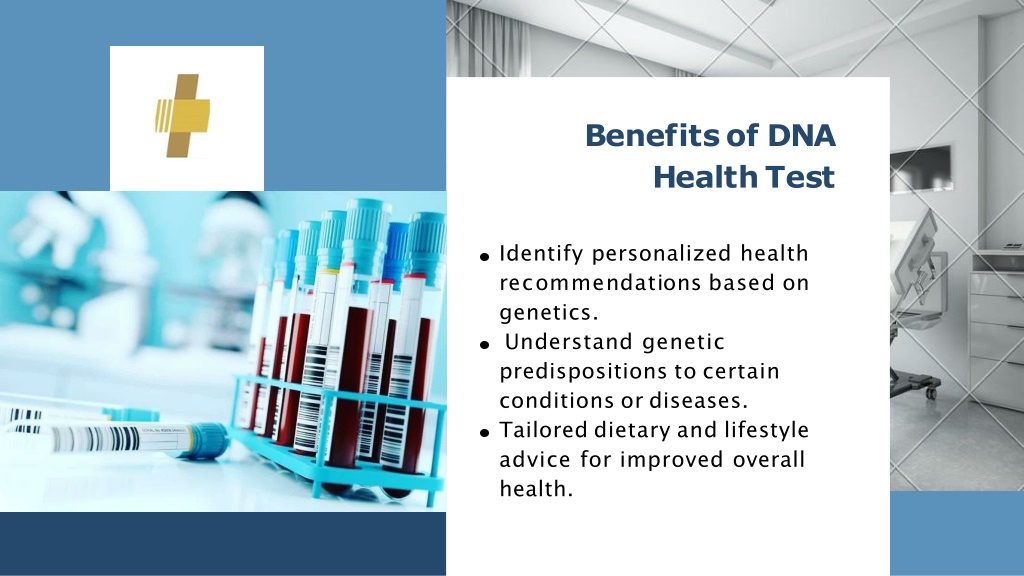
DNA testing has several benefits, including early detection of genetic health risks, improved treatment options, and increased awareness of ancestry and family dynamics. However, DNA testing also has limitations and potential risks, such as false positive or negative results, misinterpretation of results, and potential emotional distress.
Conclusion
In conclusion, DNA testing has revolutionized the way we approach genetics, health, and family dynamics. While it has its limitations and potential risks, DNA testing can provide valuable insights into your health, ancestry, and potential health risks. It's essential to understand the basics of DNA testing, its applications, and its benefits to make informed decisions about your health and well-being.
Frequently Asked Questions
Here are some frequently asked questions about DNA testing:
- Q: What is DNA testing?
- A: DNA testing looks at your DNA to identify genetic variations associated with certain health conditions.
- Q: What can a DNA test tell me?
- A: A DNA test can tell you about your health and ancestry, as well as your risk of developing certain health conditions.
- Q: What are the benefits of DNA testing?
- A: The benefits of DNA testing include early detection of genetic health risks, improved treatment options, and increased awareness of ancestry and family dynamics.
- Q: What are the limitations and potential risks of DNA testing?
- A: The limitations and potential risks of DNA testing include false positive or negative results, misinterpretation of results, and potential emotional distress.