Effective Anxiety Relief Strategies for Parents: Tips and Techniques for Managing Your Child's Anxiety
As a parent, it can be overwhelming to see your child struggling with anxiety. It's natural to feel helpless and unsure of how to best support your child. Fortunately, there are many anxiety relief strategies for parents that can help your child manage their anxiety and improve their overall well-being.Understanding Anxiety in Children
Before we dive into the strategies, it's essential to understand what anxiety in children looks like. Anxiety can manifest in different ways, such as physical complaints (e.g., headaches, stomachaches), fear of social situations, or avoidance behaviors. It's crucial to recognize the signs of anxiety in your child and respond in a way that promotes their emotional and mental health.Strategies for Parents to Help Their Child Manage Anxiety
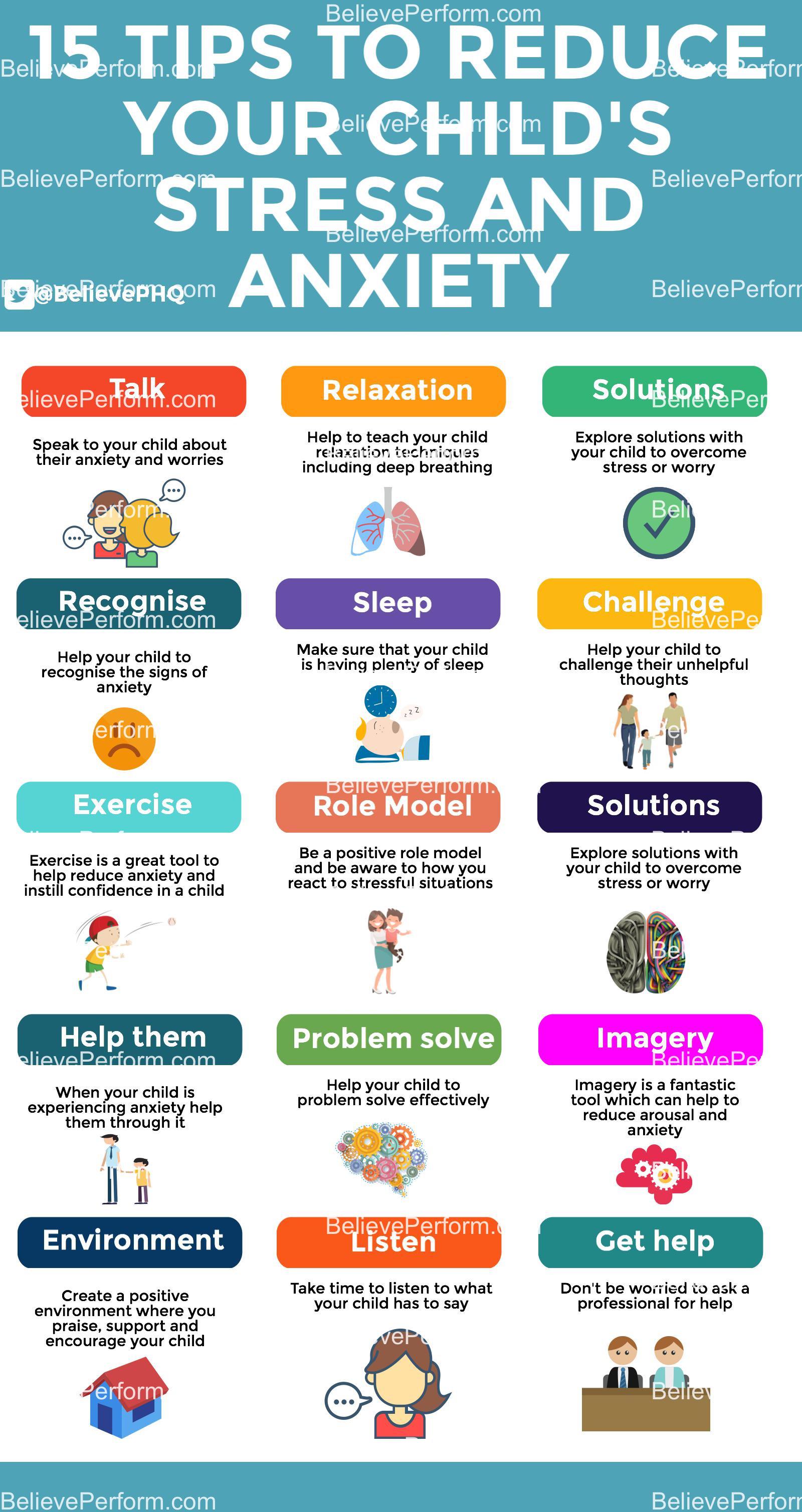
Here are some strategies that can help your child manage anxiety:- Pay attention to your child's feelings: Be present and show empathy towards your child. Validate their emotions and help them express their feelings in a healthy way.
- Stay calm: When your child becomes anxious, it's essential to remain calm. Avoid amplifying their anxiety by reacting with frustration or anxiety.
- Recognize and praise small accomplishments: Help your child build confidence by recognizing and praising their small achievements.
- Don't punish mistakes or lack of progress: Avoid punishing or criticizing your child for not meeting expectations. This can exacerbate their anxiety and create a negative atmosphere.
- Be flexible but maintain a routine: Establish a daily routine that provides structure and predictability, but also be flexible and adapt to changing situations.
- Modify expectations during stressful periods: Be realistic and adjust expectations during periods of high stress or anxiety.
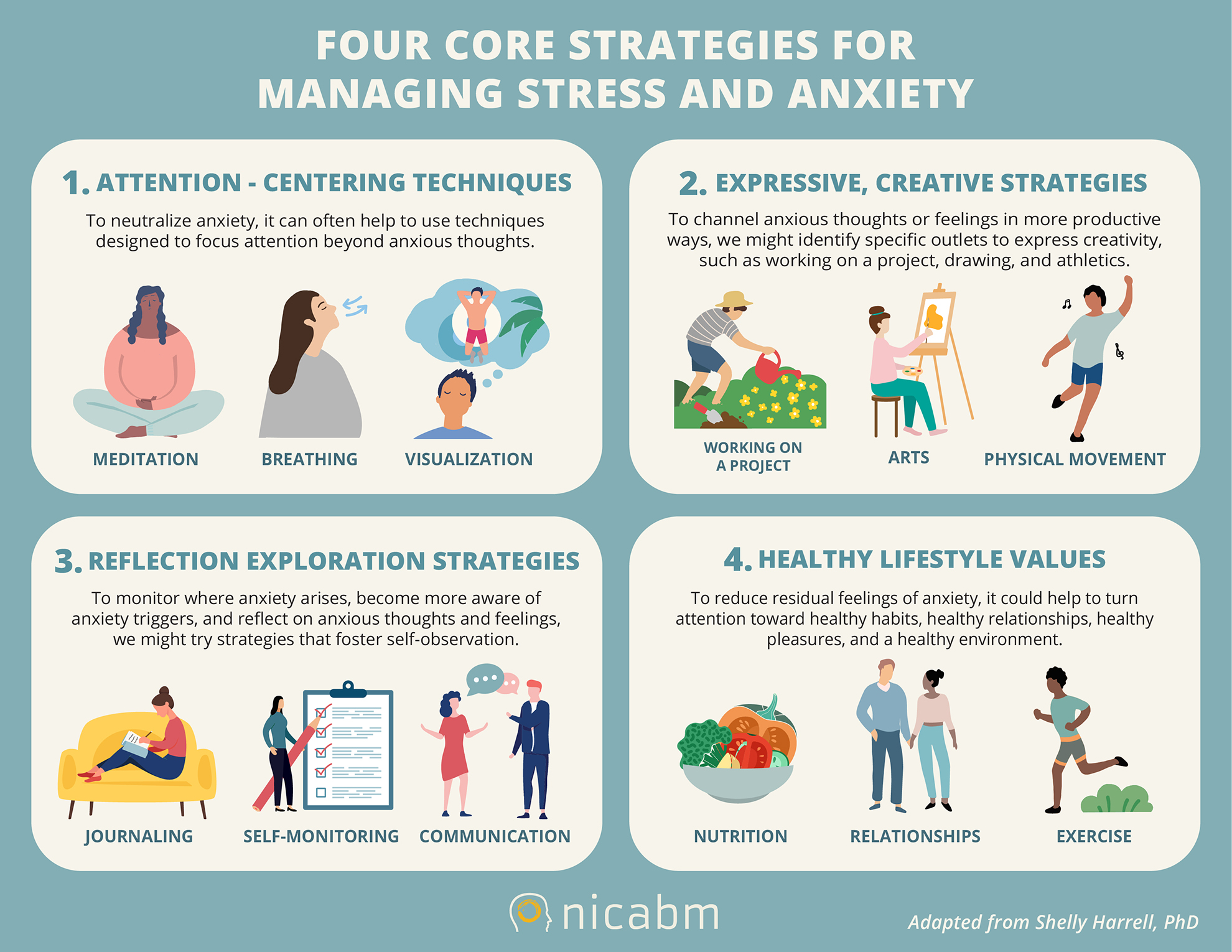
- Plan for relaxation and self-care: Help your child develop relaxation techniques, such as deep breathing, visualization, or yoga.
Additional Strategies for Parents
In addition to the above strategies, consider the following:- Encourage social support: Encourage your child to connect with friends, family members, or a therapist who can provide emotional support and guidance.
- Teach coping skills: Teach your child healthy coping mechanisms, such as problem-solving, communication, and self-regulation.
- Seek professional help: If your child's anxiety persists or worsens, consider seeking professional help from a therapist or counselor.




:max_bytes(150000):strip_icc()/stress-relief-strategies-5191480-RegFinal-2bb33f27b9e4402b88c4088177472460.jpg "Help Your Child Overcome Anxiety | Practical Parent Tips")