Understanding the Export License for Expats: A Comprehensive Guide
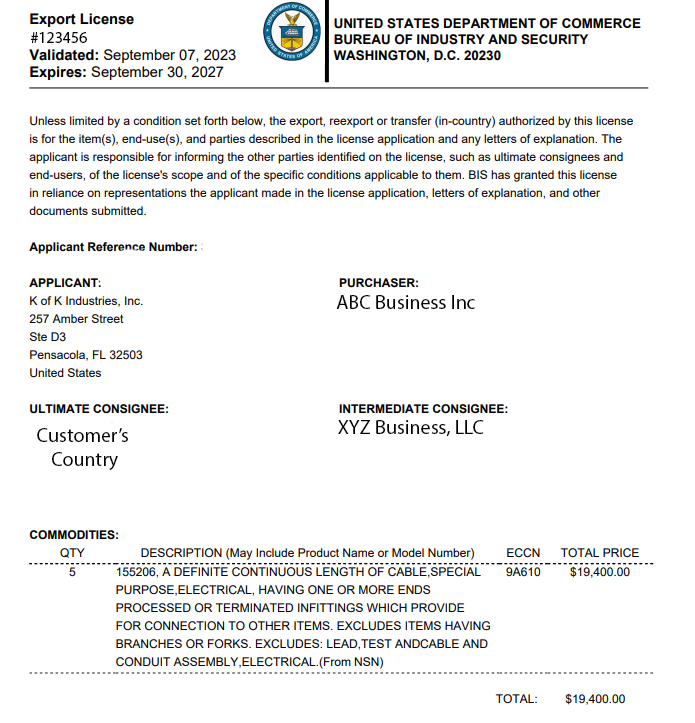
As an expatriate looking to export goods from Singapore or any other country, it's essential to understand the export license requirements. An export license is a government-issued document that authorizes the holder to export specific goods to a particular destination. In this article, we'll delve into the world of export licenses, exploring the types of export permits, the application process, and the necessary documents required for expats.
What is an Export License for Expats?
An export license is a critical document that ensures compliance with export control regulations, protecting national interests, and ensuring product safety. As an expatriate, you may need to obtain an export license to export goods from your host country or even import goods into your home country. This license acts as a vital checkpoint, verifying that products meet the required regulations and standards before they are shipped.
Types of Export Licenses
There are various types of export licenses, and the specific requirements may vary depending on the destination country, type of goods, and nature of the export. Some common types of export licenses include:
- Customs export permits
- Commercial export licenses
- Technology export licenses
- Import-export licenses
How to Obtain an Export License for Expats
Obtaining an export license can be a complex process, requiring careful planning and documentation. Here are the general steps to follow:
- Register your business or obtain a unique entity number (UEN) from the relevant authorities.
- Activate your customs account and obtain a customs permit.
- Submit your permit application through TradeNet or other authorized channels.
- Provide the required documents, including a commercial invoice, packing list, and export declaration.
- Pay the applicable fees and wait for the license to be issued.
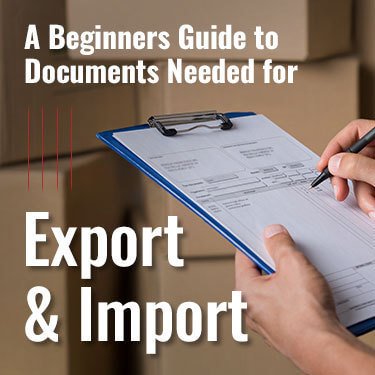
Required Documents for Export License Application
The specific documents required for an export license application may vary depending on the country, type of goods, and nature of the export. However, some common documents include:
- Commercial invoice
- Packing list
- Export declaration
- Customs permit
- Business registration documents
- Proof of identity and address
Compliance and Regulatory Requirements
As an expatriate, it's essential to understand the regulatory requirements and compliance obligations related to export licenses. These may include:
- Classifying products according to national or international export control lists.
- Applying for relevant licenses and permits.
- Complying with customs regulations and procedures.
- Ensuring product safety and quality standards.
Conclusion
Obtaining an export license as an expatriate requires careful planning, documentation, and compliance with regulatory requirements. By understanding the types of export licenses, application process, and necessary documents, you can ensure smooth international trade and avoid delays or penalties. Remember to consult with relevant authorities and experts to ensure compliance with export control regulations and protection of national interests.