Discover the Allure of Drought Resistant Plants
As we navigate the challenges of a changing climate, the importance of water conservation has become increasingly evident. One effective way to achieve this goal is by incorporating drought resistant plants into our gardens and landscapes. These remarkable plants are not only stylish but also efficient in terms of water usage. They provide a perfect alternative to traditional, water-guzzling options, ensuring a lush and thriving outdoor space, even in the midst of dry spells.The Benefits of Drought Resistant Plants
Drought resistant plants offer numerous advantages, making them an ideal choice for gardeners and homeowners. Some of the key benefits include:- Water Efficiency**: They conserve water by developing deep roots to access moisture deep within the soil.
- Low Maintenance**: They require minimal watering and care, reducing garden maintenance and upkeep.
- Adaptability**: They can thrive in a range of conditions, including extreme temperatures and poor soil quality.
- Color and Texture**: They add vibrancy and visual interest to outdoor spaces, creating a beautiful and dynamic landscape.
Popular Types of Drought Resistant Plants
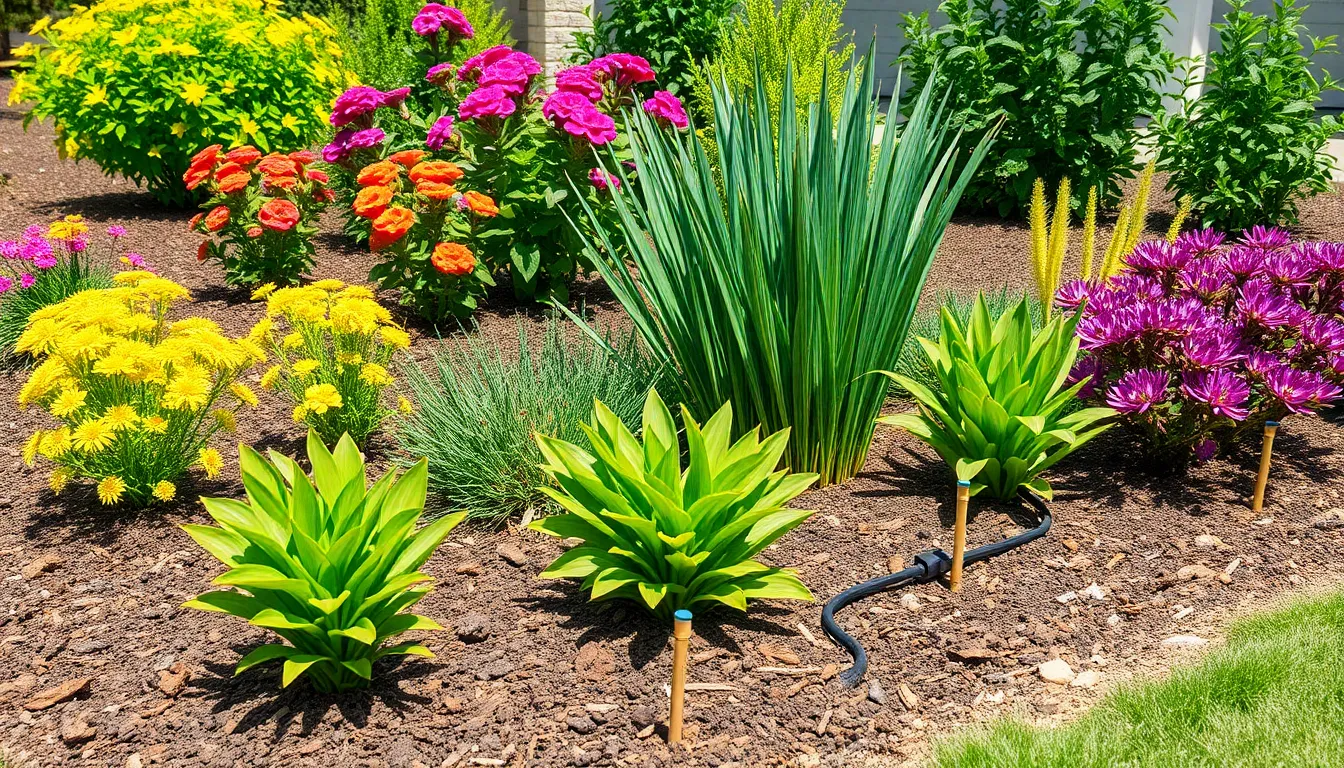
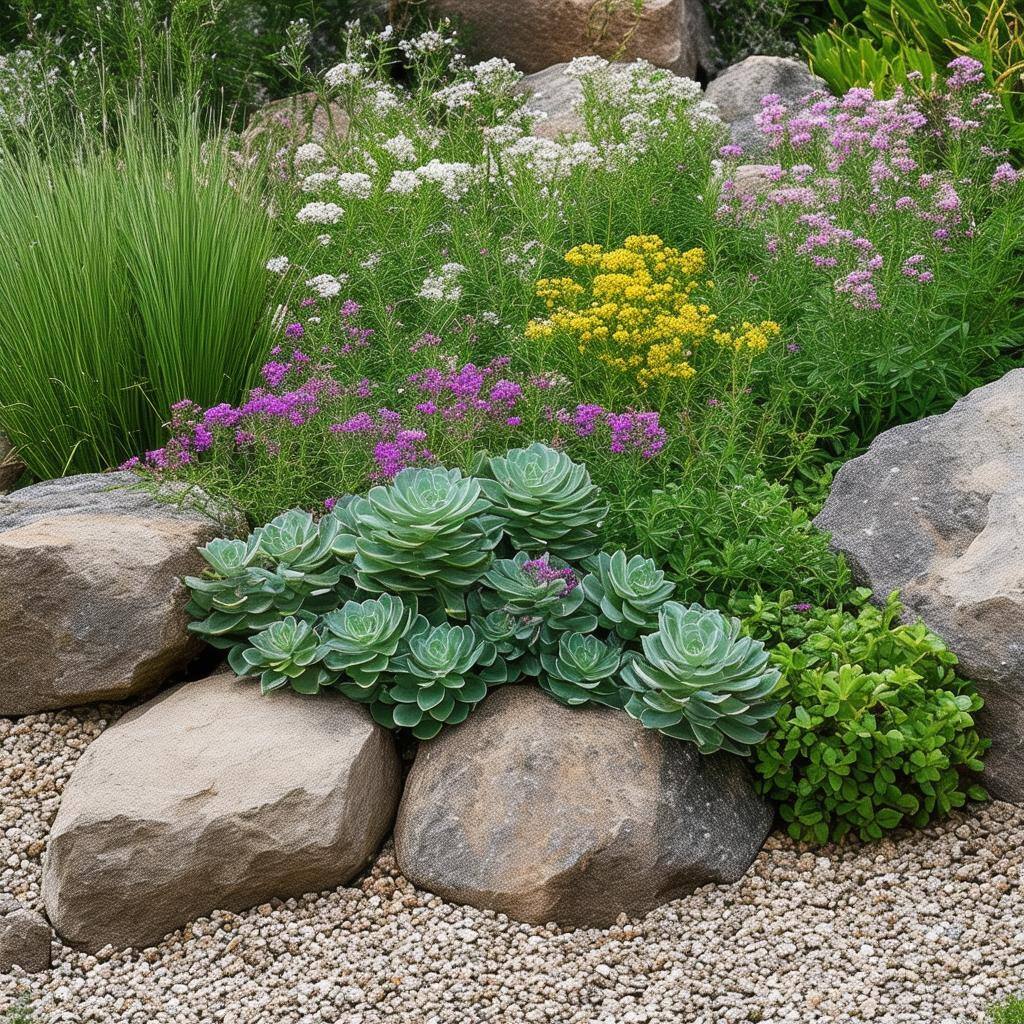
- Cacti and Succulents**: These plants store water in their leaves, stems, or roots, allowing them to survive extended periods without water.
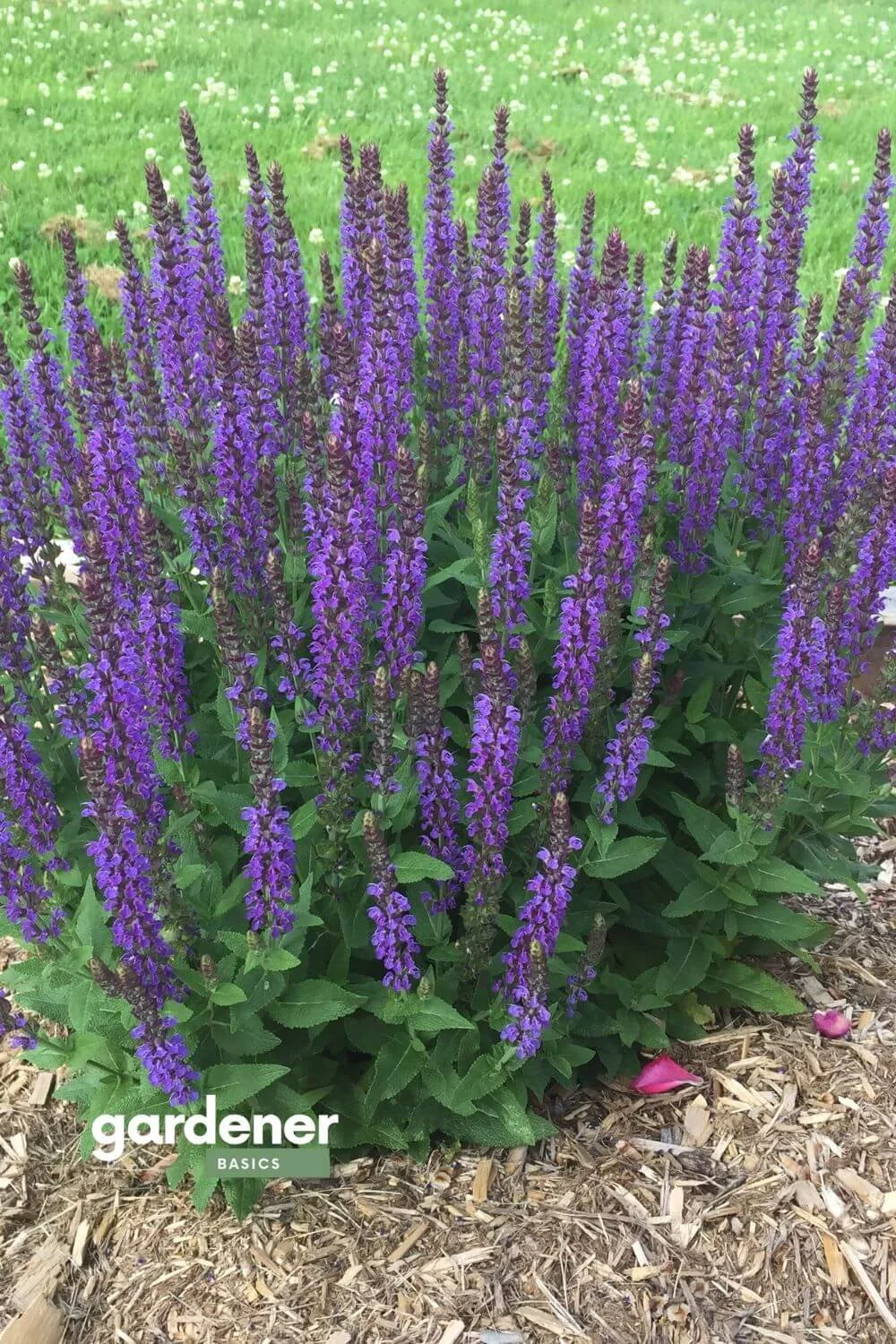
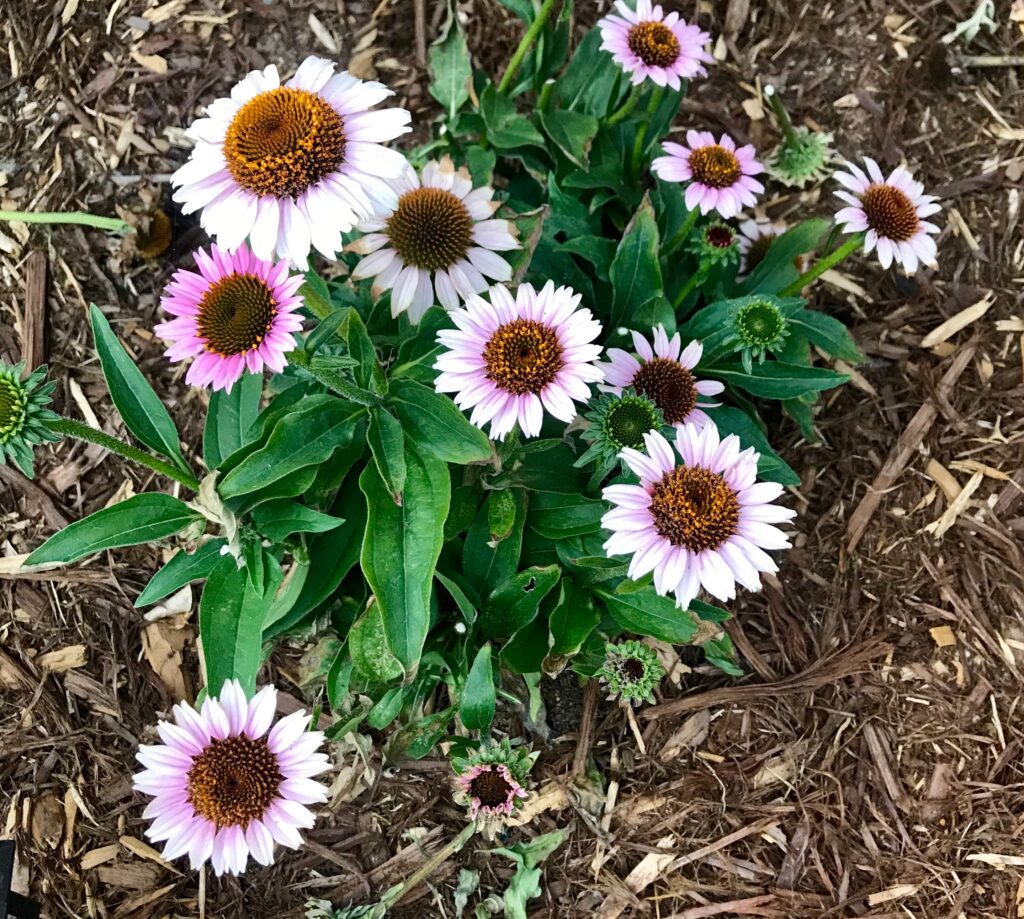
- Native Plants**: Many native plant species are naturally adapted to local conditions, making them an excellent choice for regions with specific climate and soil characteristics.
- Grasses and Groundcovers**: These plants, such as buffalo grass and creeping thyme, are perfect for lawns and groundcover, requiring minimal watering and maintenance.
- Herbs and Fruit Trees**: Some herbs, like rosemary and thyme, and fruit trees like olive and fig, are both drought resistant and edible, adding functional and delicious benefits to your garden.
Designing a Drought Resistant Garden
Creating a drought resistant garden involves careful planning and consideration of several factors. Some key elements to keep in mind include:- Soil Quality**: Choose plants adapted to your soil type and pH level.
- Climate**: Select plants that thrive in your local climate and microclimate.
- Watering**: Avoid overwatering, which can weaken plants and reduce their ability to withstand drought.
- Mulching**: Apply mulch to retain moisture, suppress weeds, and regulate soil temperature.