Effective Landing Page Design: Boosting Conversions and Driving Results
In today's fast-paced digital landscape, attention spans are decreasing, and visuals are processed faster than text. This makes landing page design a critical component of any successful marketing campaign. A good landing page can make or break a conversion, and in this article, we'll explore the best practices for creating an effective landing page that drives results.
The Importance of Landing Page Design
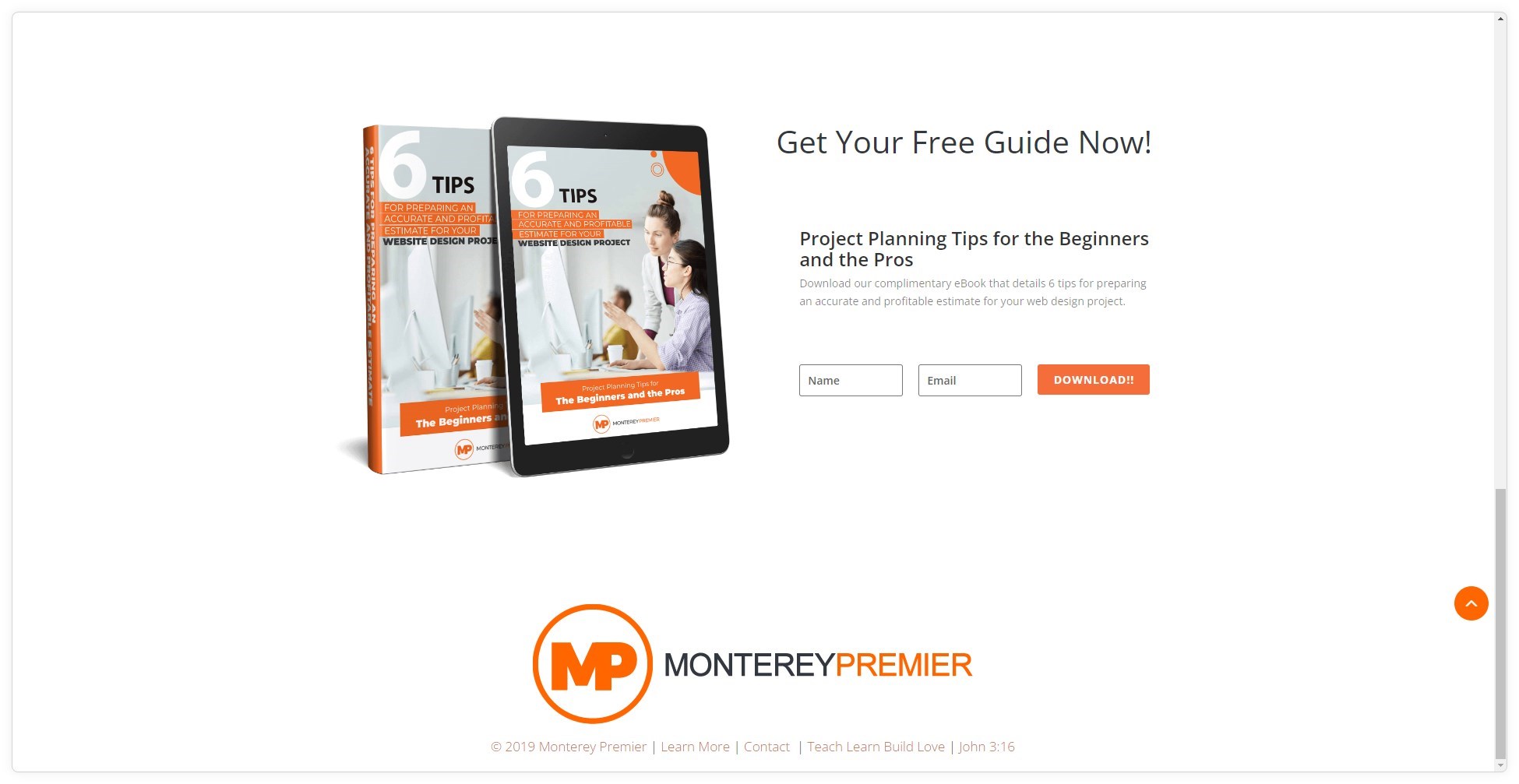
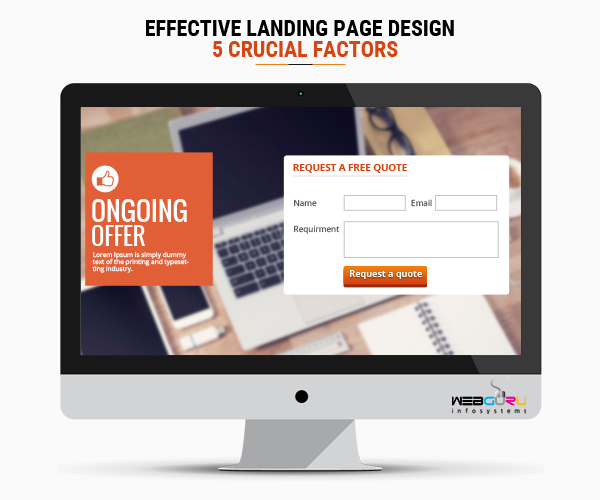
A well-designed landing page is more than just a visual representation of a campaign; it's a carefully crafted tool that guides the user's behavior and encourages them to take a specific action. By focusing on a single call-to-action (CTA), landing pages can increase conversions and drive sales. In this article, we'll cover the fundamental principles of landing page design and provide you with actionable tips to enhance your landing page's performance.
Best Practices for Effective Landing Page Design
1. Clear and Concise Messaging
A clear and concise headline is essential for capturing the user's attention. Make sure your headline is focused, relevant, and accurately conveys the benefits of your product or service.
2. Focused Layout
A cluttered and disorganized layout can confuse the user and lead to a higher bounce rate. Focus on a single call-to-action and remove unnecessary elements to create a clean and streamlined design.
3. Social Proof
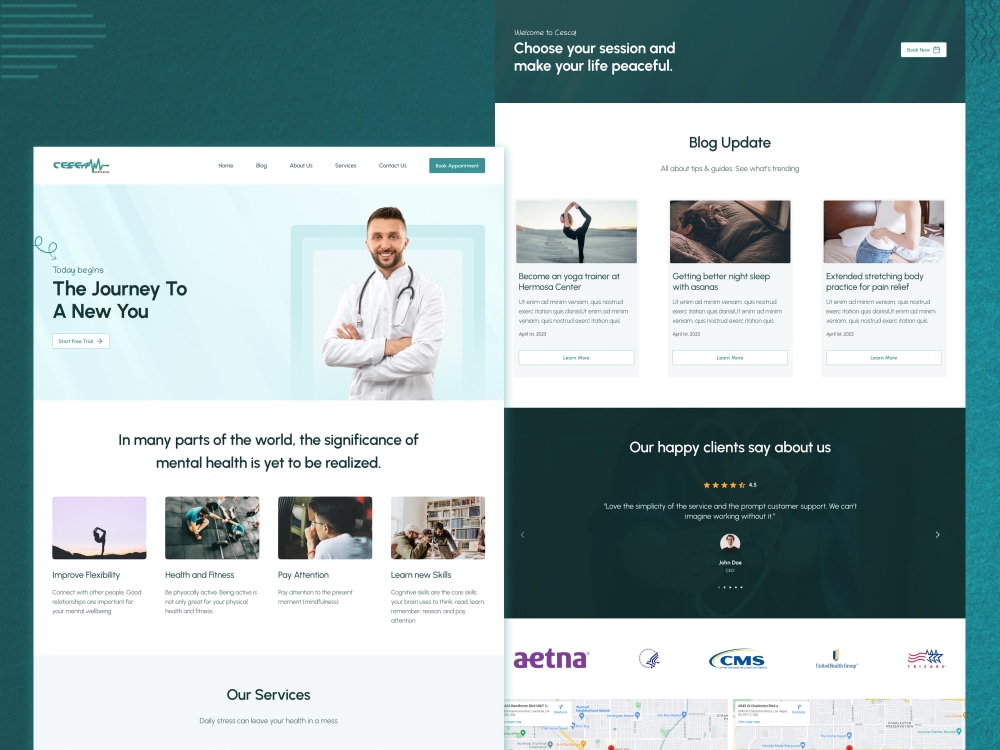
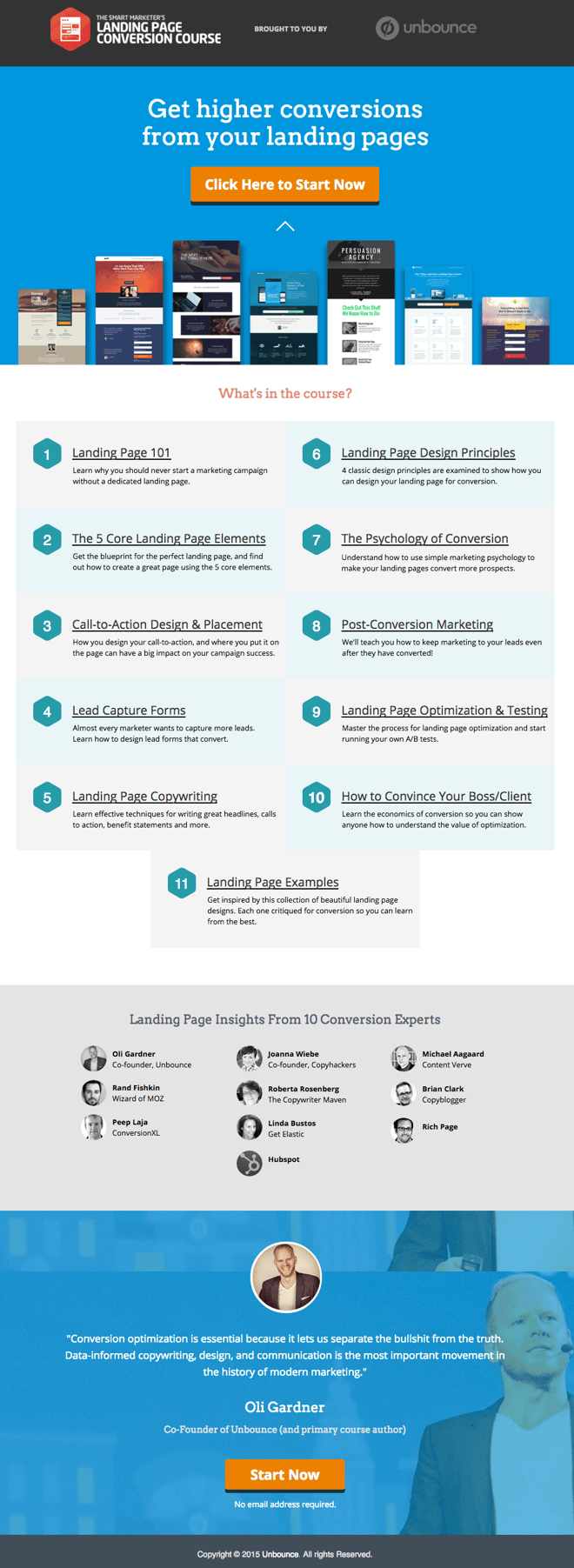
Testimonials, reviews, and ratings can help build credibility and trust with your audience. Use social proof to demonstrate the value of your product or service and encourage potential customers to take action.
4. Persuasive Call-to-Action
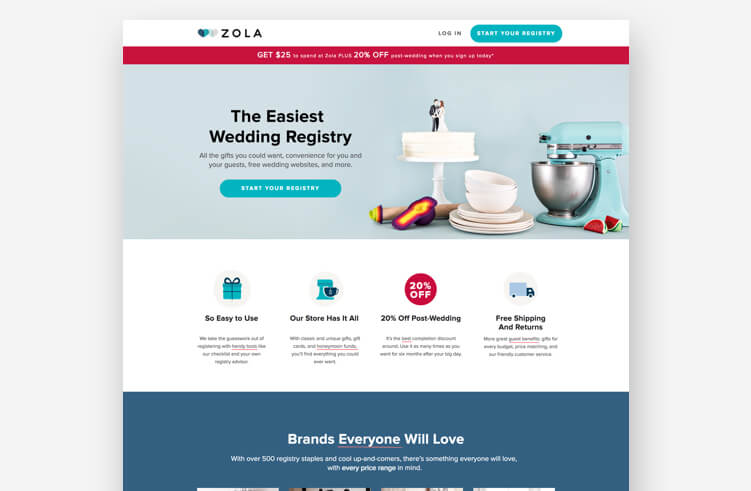
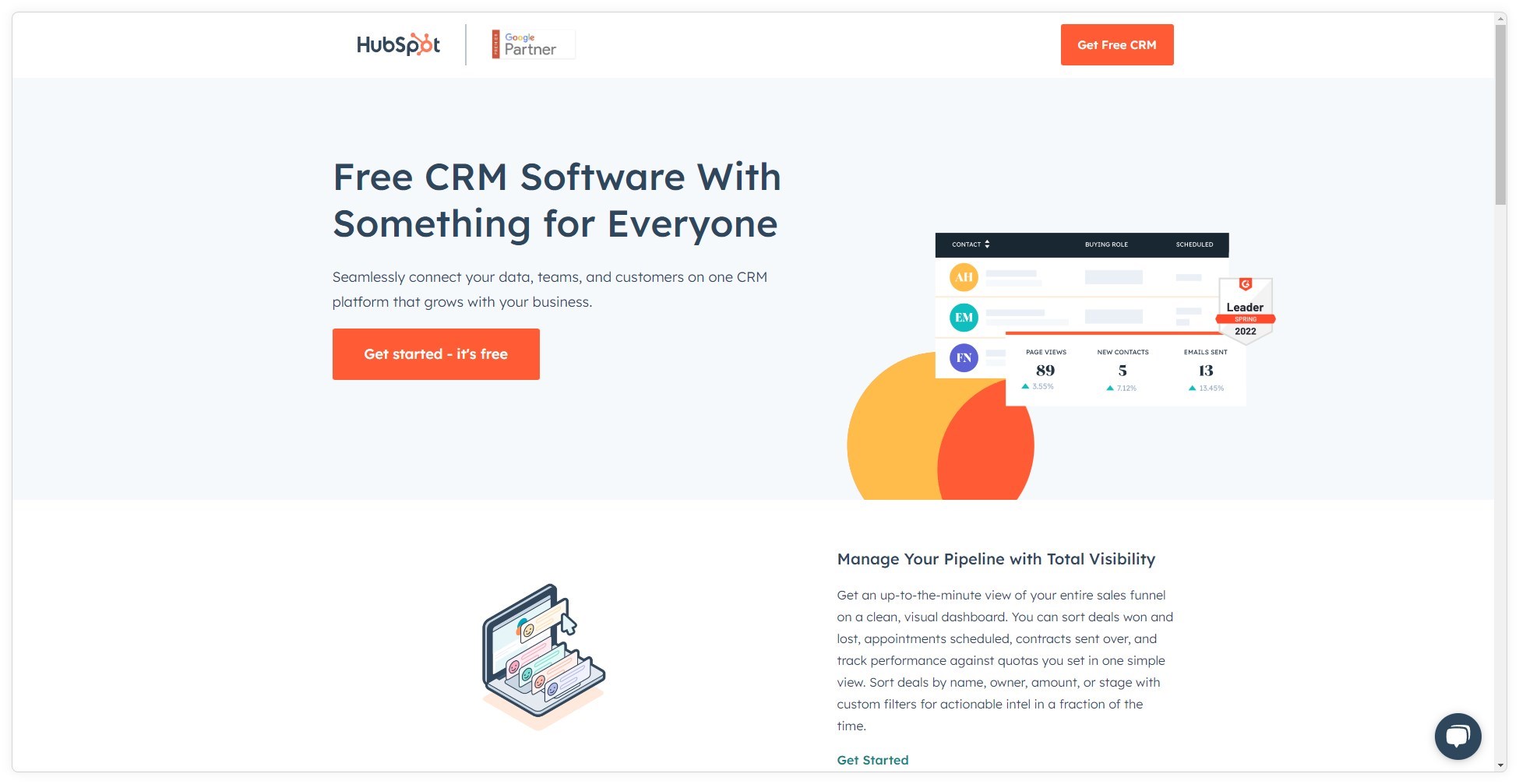
A compelling and action-oriented CTA is crucial for driving conversions. Make sure your CTA is clear, concise, and stands out from the surrounding design.
5. Minimal Distractions
Avoid distractions by removing unnecessary links, buttons, and other elements that can divert the user's attention away from the CTA. Create a seamless user experience that guides the user towards the desired action.
Designing an Effective Landing Page

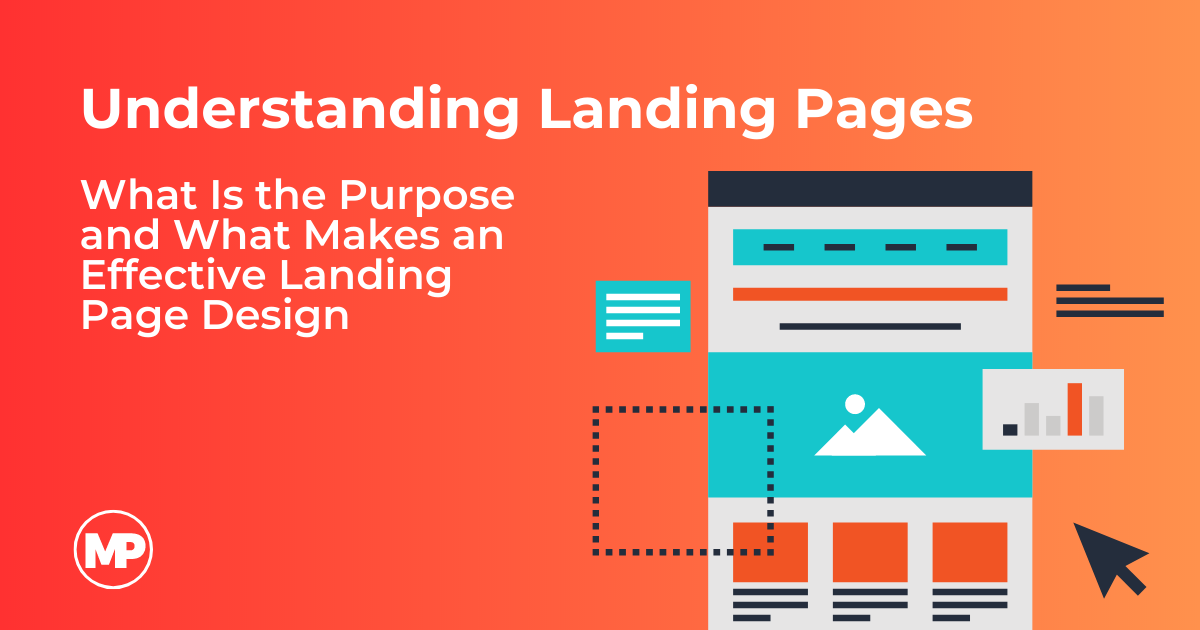
The success of a landing page depends on various factors, including design, user psychology, and marketing copy. Here are some key considerations to keep in mind when designing an effective landing page:
1. User-Centered Design
Put the user at the forefront of your design decisions. Use UX principles to create a layout that is intuitive, easy to navigate, and minimizes cognitive load.
2. Visual Hierarchy
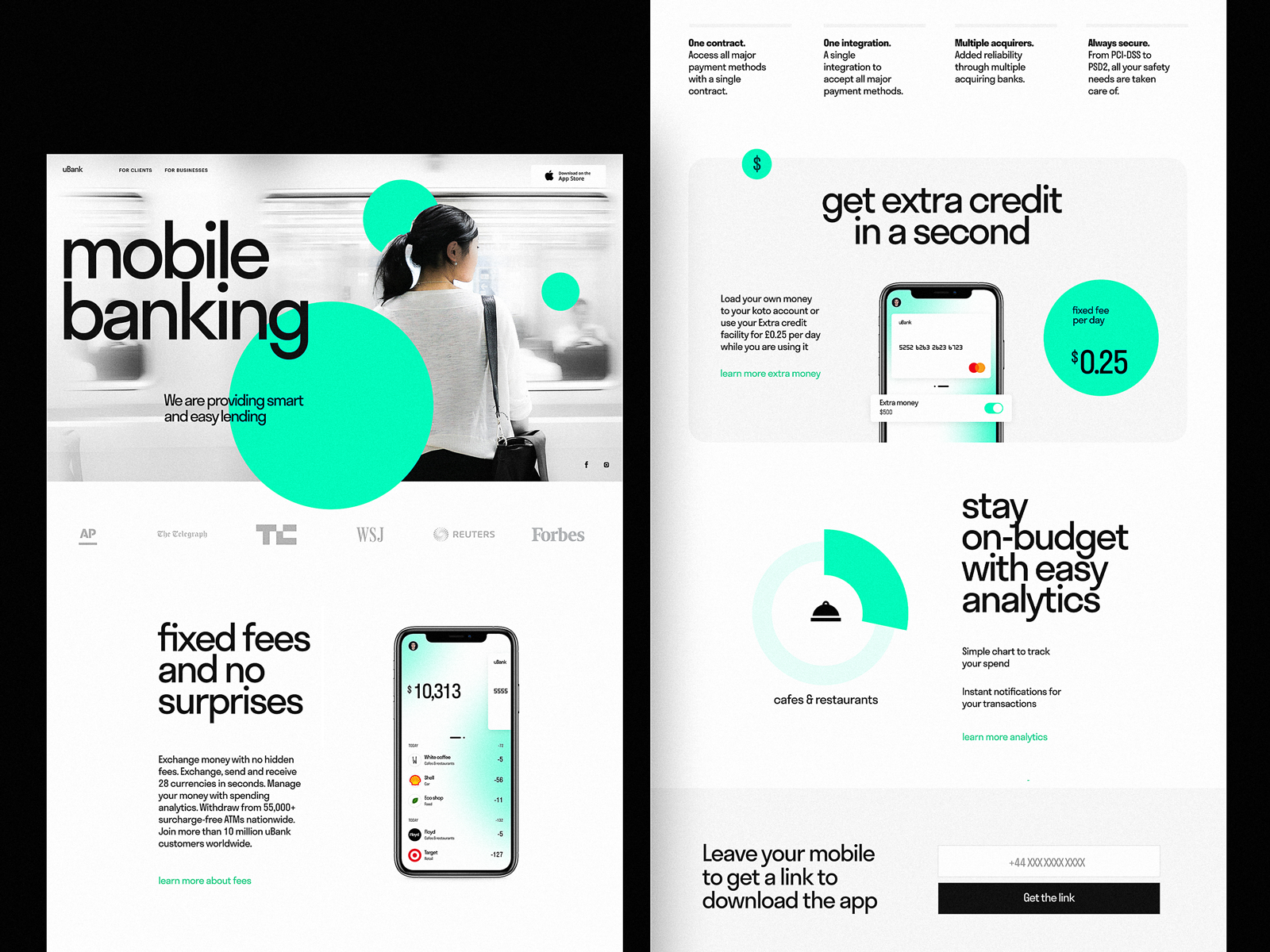
Create a clear visual hierarchy that guides the user's attention towards the CTA. Use size, color, and contrast to create a clear visual flow.
3. Color Scheme
Choose a color scheme that is consistent with your brand and resonates with your audience. Use colors to create a visual hierarchy and draw attention to the CTA.
Tools for Creating Effective Landing Pages
Creating an effective landing page requires a combination of design skills, user psychology knowledge, and marketing expertise. Here are some tools to help you create and optimize your landing pages:
1. Landing Page Builders
Landing page builders like Unbounce, Instapage, and Wix offer drag-and-drop interfaces, customizable templates, and A/B testing capabilities to help you create and optimize your landing pages.
2. AI Website Builders
AI-powered website builders like Webflow and WordPress offer intuitive design tools, customizable templates, and integrated analytics to help you create and optimize your landing pages.
Conclusion
Effective landing page design is a critical component of any successful marketing campaign. By focusing on clear and concise messaging, a focused layout, social proof, a persuasive call-to-action, and minimal distractions, you can create a landing page that drives conversions and drives results. Remember to put the user at the forefront of your design decisions, use visual hierarchy and color schemes to create a clear visual flow, and utilize tools like landing page builders and AI website builders to help you create and optimize your landing pages.