Unlocking the Power of GLP-1 Receptor Activation: A Comprehensive Overview
The glucagon-like peptide-1 (GLP-1) receptor has been at the forefront of groundbreaking research in the field of endocrinology. As a vital component of the G protein-coupled receptor (GPCR) family, the GLP-1 receptor plays a pivotal role in regulating glucose homeostasis, appetite, and digestion. Over the past decade, the understanding of GLP-1 receptor activation has evolved significantly, leading to the development of novel therapeutic agents for the treatment of type 2 diabetes, obesity, and other metabolic disorders. In this article, we will delve into the intricacies of GLP-1 receptor activation, exploring its mechanisms, effects, and future directions.
The Structure and Function of the GLP-1 Receptor
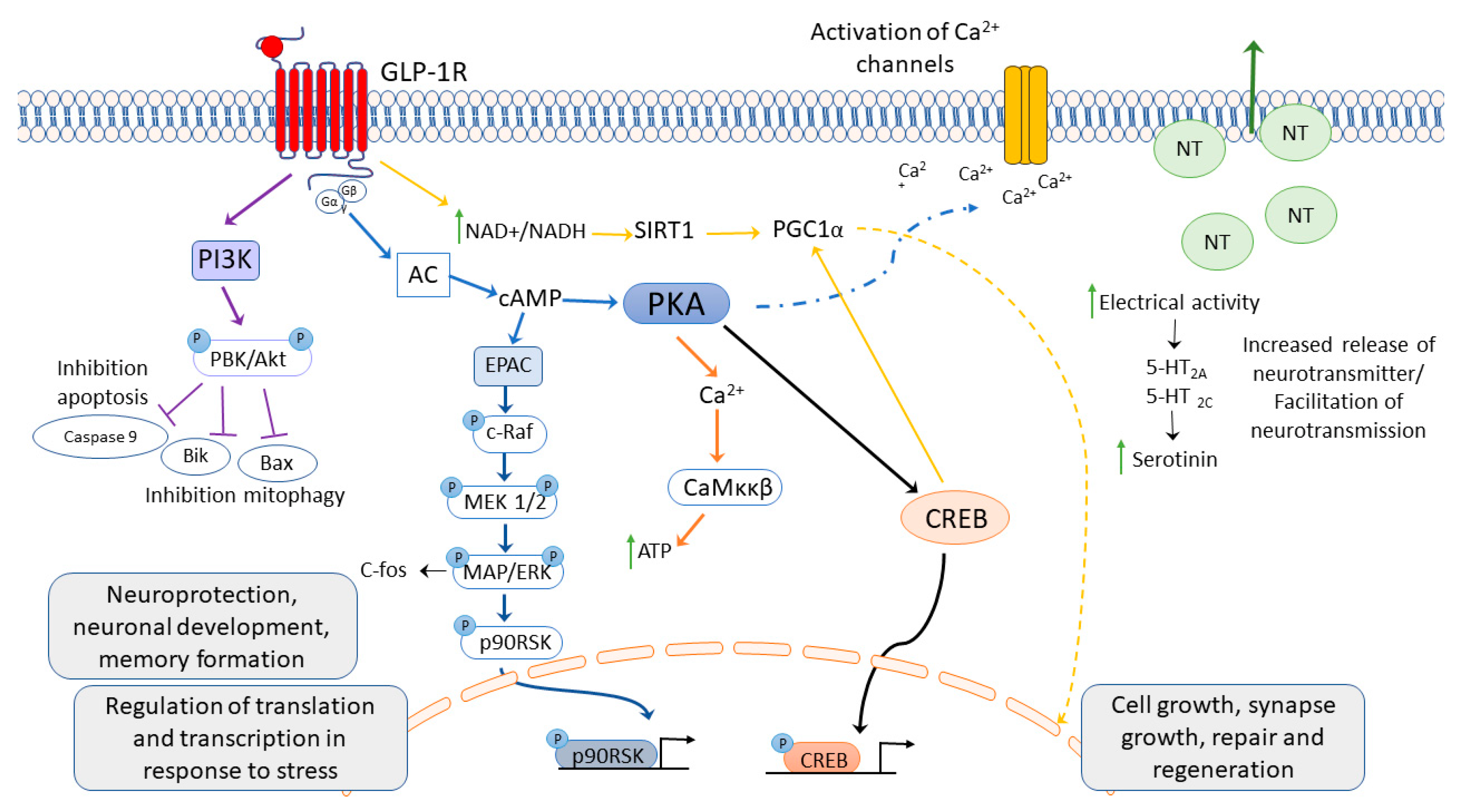
The GLP-1 receptor is a transmembrane protein composed of seven alpha-helical transmembrane domains (TM1-TM7), an extracellular N-terminus, and an intracellular C-terminus. It belongs to the class B family of GPCRs, also known as secretin-likereceptors. The receptor's structure allows it to bind to various ligands, including the endogenous GLP-1 hormone, which plays a crucial role in regulating glucose metabolism.
- GLP-1 acts to promote DNA synthesis and inhibit potassium channels through transactivation of the epidermal growth factorreceptor, leading to activation of phosphatidylinositol 3-kinase (PI3K)
- The GLP-1 receptor is primarily coupled with Gs proteins, which activate adenylyl cyclase, leading to increased cyclic AMP levels and downstream signaling molecules
GLP-1 Receptor Activation and Its Effects on Glucose Metabolism
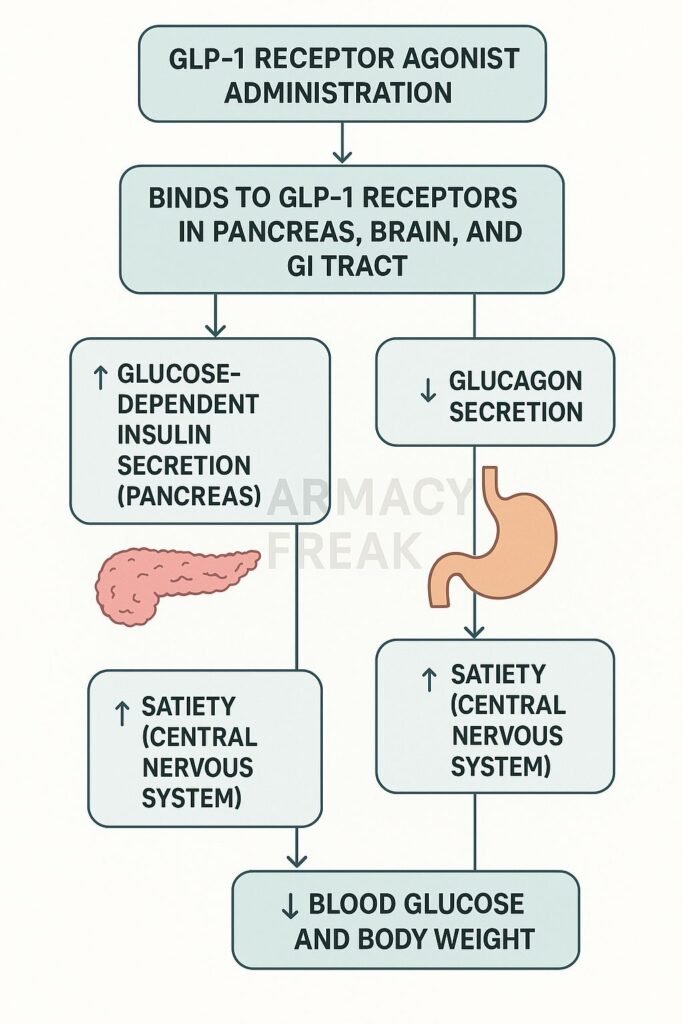
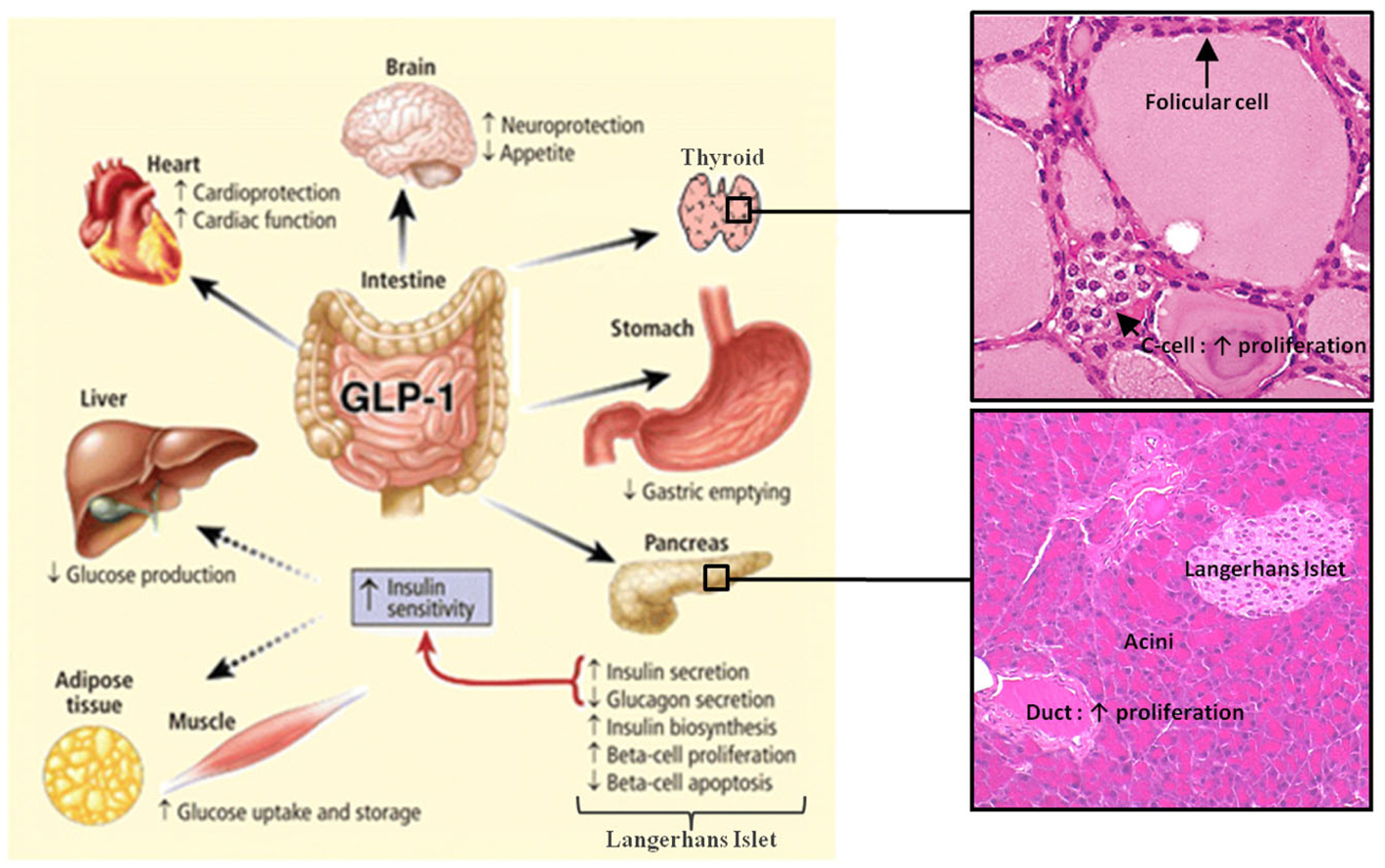
GLP-1 receptor activation stimulates insulin secretion from β-cells in the islets of Langerhans in response to rising plasma glucose levels. This effect is significantly attenuated when glucose levels are not elevated. Furthermore, GLP-1 receptor activation has been shown to regulate glucose metabolism through various mechanisms, including inhibition of glucagon secretion, stimulation of insulin gene transcription, and enhancement of glucose-dependent insulin secretion
- GLP-1 receptor activation initiates cAMP-dependent signaling cascades in pancreatic beta cells, stimulating insulin gene transcription and granule exocytosis in a glucose-dependent manner
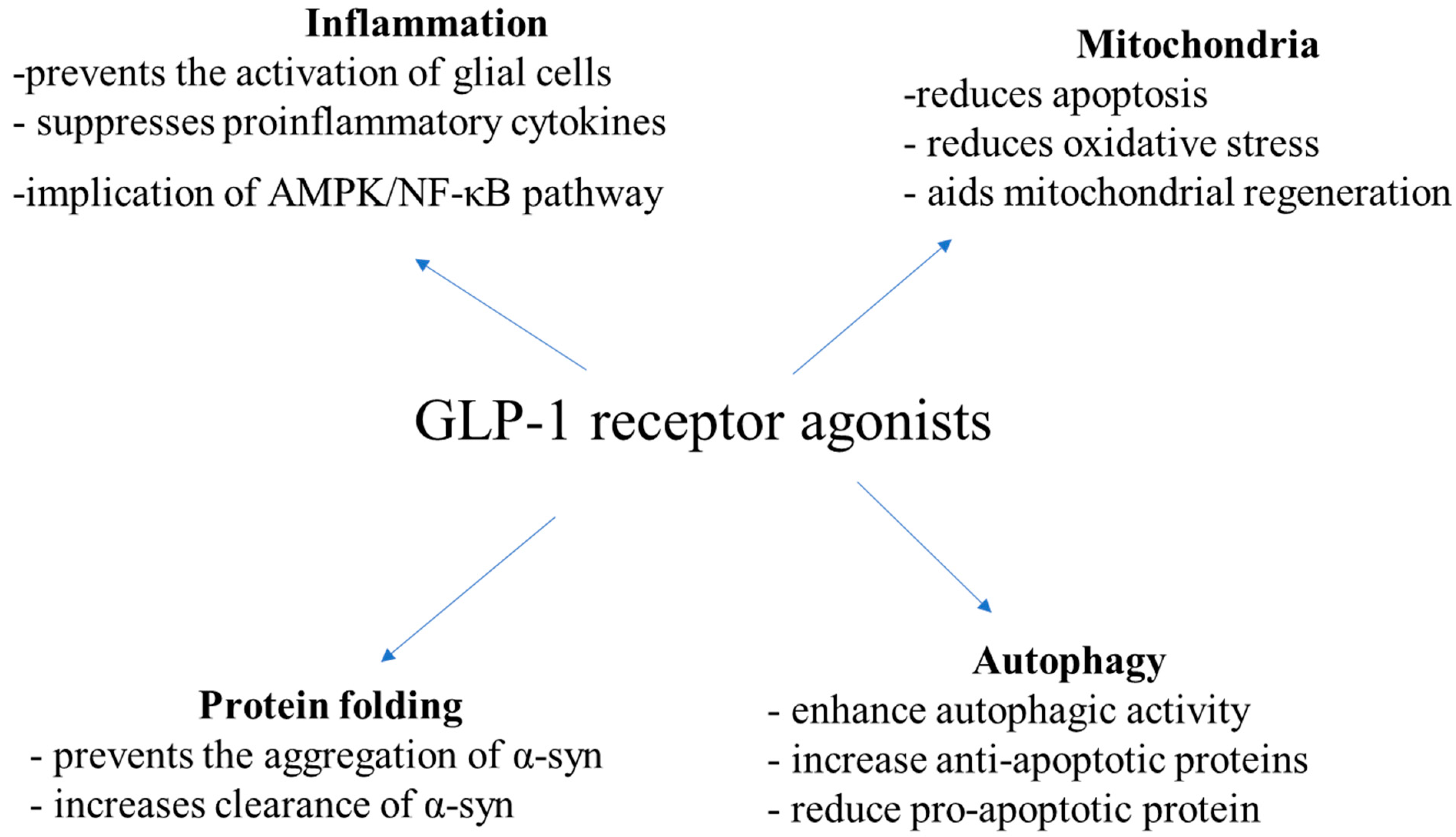
- The activation of the GLP-1 receptor influences various pathways, including inflammation, vascular and endothelial health, mitochondrial function, metabolic flexibility, and oxidative stress
GLP-1 Receptor Activation and Its Role in Obesity and Metabolic Disorders

GLP-1 receptor activation has been shown to play a crucial role in regulating appetite, satiety, and energy balance. Various studies have demonstrated that GLP-1 receptor agonists can lead to significant weight loss and improvement in glycemic control in individuals with type 2 diabetes. Additionally, GLP-1 receptor activation has been associated with reduced inflammation, improved cardiovascular health, and improved renal function.
- GLP-1 receptor agonists, such as semaglutide and tirzepatide, have been shown to lead to significant weight loss and improvement in glycemic control in individuals with type 2 diabetes
- The activation of the GLP-1 receptor has been associated with reduced inflammation, improved cardiovascular health, and improved renal function
The Future Directions of GLP-1 Receptor Activation Research
As our understanding of GLP-1 receptor activation continues to evolve, new therapeutic agents are being developed to harness its benefits. Novel GLP-1 receptor agonists, such as retatrutide, are being investigated for their ability to activate multiple receptors, including the GIP and glucagon receptors. Additionally, research is focused on the development of GLP-1 receptor modulators, which aim to target specific pathways involved in glucose metabolism and energy balance.
- New therapeutic agents, such as retatrutide, are being developed to harness the benefits of GLP-1 receptor activation
- Research is focused on the development of GLP-1 receptor modulators, which aim to target specific pathways involved in glucose metabolism and energy balance
Conclusion
The GLP-1 receptor is a complex and multifaceted protein that plays a critical role in regulating glucose homeostasis and energy balance. As our understanding of its mechanisms and effects continues to grow, novel therapeutic agents are being developed to harness its benefits. From the treatment of type 2 diabetes to the modulation of appetite and energy balance, GLP-1 receptor activation has the potential to revolutionize the management of metabolic disorders.